


Galicia / Spain

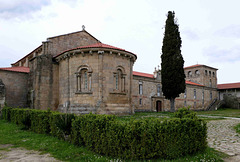
Mosteiro de Santa María de Ferreira
| |
|
|
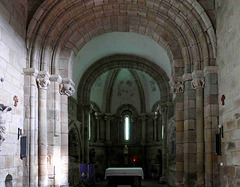
The monastery dates back to the 10th century and it seems to have been a monastery for monks and nuns from the earliest times until the 12th century. In 1175 after a period of decadence, Countess Fronilda de Lemos restored monastic life, the monastery was rehabilitated and integrated into the Cistercian order.
The church of the monastery is due to its profuse and diverse ornamentation, especially in its apse. It is considered to have been built prior to the incorporation of the monastery into the Cistercian order.
Muchas Gracias to the nuns1 They let us in.
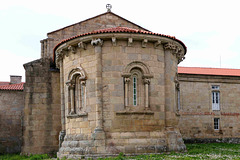
Mosteiro de Santa María de Ferreira
| |
|
|
The monastery dates back to the 10th century and it seems to have been a monastery for monks and nuns from the earliest times until the 12th century. In 1175 after a period of decadence, Countess Fronilda de Lemos restored monastic life, the monastery was rehabilitated and integrated into the Cistercian order.
The church of the monastery is due to its profuse and diverse ornamentation, especially in its apse. It is considered to have been built prior to the incorporation of the monastery into the Cistercian order.
The apse
Muchas Gracias to the nuns! They let us in.
Mosteiro de Santa María de Ferreira
| |
|
|
The monastery dates back to the 10th century and it seems to have been a monastery for monks and nuns from the earliest times until the 12th century. In 1175 after a period of decadence, Countess Fronilda de Lemos restored monastic life, the monastery was rehabilitated and integrated into the Cistercian order.
The church of the monastery is due to its profuse and diverse ornamentation, especially in its apse. It is considered to have been built prior to the incorporation of the monastery into the Cistercian order.
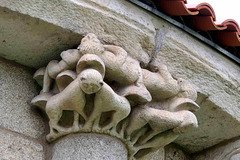
A pride of lions under the roof of the apse
Mosteiro de Santa María de Ferreira
| |
|
The monastery dates back to the 10th century and it seems to have been a monastery for monks and nuns from the earliest times until the 12th century. In 1175 after a period of decadence, Countess Fronilda de Lemos restored monastic life, the monastery was rehabilitated and integrated into the Cistercian order.
The church of the monastery is due to its profuse and diverse ornamentation, especially in its apse. It is considered to have been built prior to the incorporation of the monastery into the Cistercian order.
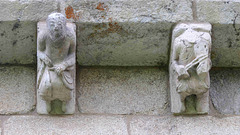
A musician
Mosteiro de Santa María de Ferreira
| |
|
The monastery dates back to the 10th century and it seems to have been a monastery for monks and nuns from the earliest times until the 12th century. In 1175 after a period of decadence, Countess Fronilda de Lemos restored monastic life, the monastery was rehabilitated and integrated into the Cistercian order.
The church of the monastery is due to its profuse and diverse ornamentation, especially in its apse. It is considered to have been built prior to the incorporation of the monastery into the Cistercian order.
Mosteiro de Santa María de Ferreira
| |
|
|
The monastery dates back to the 10th century and it seems to have been a monastery for monks and nuns from the earliest times until the 12th century. In 1175 after a period of decadence, Countess Fronilda de Lemos restored monastic life, the monastery was rehabilitated and integrated into the Cistercian order.
The church of the monastery is due to its profuse and diverse ornamentation, especially in its apse. It is considered to have been built prior to the incorporation of the monastery into the Cistercian order.
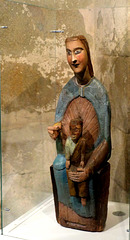
The sculpture was discovered in 1975 during construction work. Dating from the 12th century, the 75cm high Madonna was in extremely poor condition. It has since been restored
Mosteiro de Santa María de Ferreira
| |
|
|
The monastery dates back to the 10th century and it seems to have been a monastery for monks and nuns from the earliest times until the 12th century. In 1175 after a period of decadence, Countess Fronilda de Lemos restored monastic life, the monastery was rehabilitated and integrated into the Cistercian order.
The church of the monastery is due to its profuse and diverse ornamentation, especially in its apse. It is considered to have been built prior to the incorporation of the monastery into the Cistercian order.
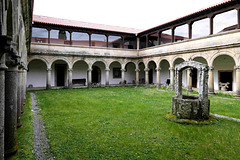
The cloister
Mosteiro de Santa María de Ferreira
| |
|
The monastery dates back to the 10th century and it seems to have been a monastery for monks and nuns from the earliest times until the 12th century. In 1175 after a period of decadence, Countess Fronilda de Lemos restored monastic life, the monastery was rehabilitated and integrated into the Cistercian order.
The church of the monastery is due to its profuse and diverse ornamentation, especially in its apse. It is considered to have been built prior to the incorporation of the monastery into the Cistercian order.
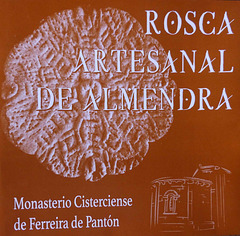
Following a very old tradition, the nuns still make delicious pastries.
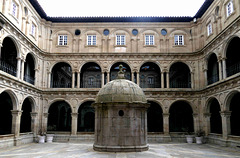
Monforte de Lemos - Monasterio de San Vicente del…
| |
|
|
The Lemavi tribe populated the area around Monforte de Lemos, before the Romans, the Suevi and the Visigoths left their own footprints.
Tt is believed the town was destroyed in the 8th century by the Muslim invaders. In the 12th century, the settlemet was granted to Fruela Díaz, of the House of Lemos, who had the town rebuilt over the ruins. Monforte flourished as an agricultural market.
During the Middle Ages, a Benedictine community established on the Monastery of San Vicente del Pino. Both the capital tower and the fortified city's walls were demolished during the Irmandiño revolt in the second half of 15th century. The rebels repressed by the Count of Lemos, the lord of the land, who made them work to rebuild the castle.
The former monastery of San Vicente del Pino now forms the Parador hotel together with the palace.
The construction of the current building dates back to the 16th century, although there are references to its origins in the 10th century.
The cloister

Quiroga - Wash-up
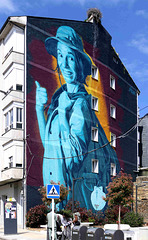
Quiroga - Camino de Invierno
| |
|
|
|
The "Camino de Invierno" variant of the Way of St James passes through Quiroga. However, hitchhiking is pretty much frowned upon by pilgrims
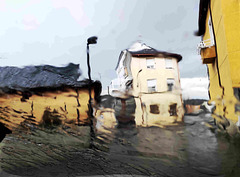
My fair Lady
| |
|
|
The rain in Spain stays mainly in the plain!
The rain in Spain stays mainly in the plain!
And where's that soggy plain?
In Spain! In Spain!
Bis this year the rain was in the mountains as well.

Vilamartín de Valdeorras - Stork
Jump to top
RSS feed- Latest items - Subscribe to the latest items added to this album
- ipernity © 2007-2026
- Help & Contact
|
Club news
|
About ipernity
|
History |
ipernity Club & Prices |
Guide of good conduct
Donate | Group guidelines | Privacy policy | Terms of use | Statutes | In memoria -
Facebook
X
