
North Carr Lightship
HFF from Cromer
Faces on Discovery Point Compass
Gasholder lighting
HWW from Clovelly
HFF? From Clovelly
Small Treasures at the Seaside
Contentment
HWW from Bideford
Rhenish Tower in Lynmouth
Discovery Point staircase
Brown waves
HFF from Lynmouth 2
Beside the seaside
Palisade at Powis Castle
Glorious Devon
Ropey, a bit like Ipernity at the moment
HFF from Bude
Canalside flowers
Loch Tay from Kenmore
HBM from Powis Castle Gardens
HWW. Navelwort
HFF from Oswestry
Music to our ears. Same day, same town
The Names on the Armed Forces Memorial at Alrewas
HBM from Powis Castle
Precarious and patient
HFF
The Museum of the Moon in Bath Abbey
Red sails against the silvery Tay
HFF Staircase to the Tay Road Bridge
The Telford Beacon
HBM from Dundee
A wooden nest
Tay Fins
Interactive sound installation on the Riverside Es…
Spring Blossom, probably Damson
HFF from St.Andrews
HWW and windows from Oxburgh
A Pair of Preening Egyptian Geese
Paddington visits Norwich
A Warm Welcome to Cromer
Blue rope
HFF from Ellesmere
HWW from Oxburgh Hall
Location
Lat, Lng:
You can copy the above to your favourite mapping app.
Address: unknown
You can copy the above to your favourite mapping app.
Address: unknown
See also...
Keywords
Authorizations, license
-
Visible by: Everyone -
All rights reserved
-
498 visits
The Lovell Telescope


The Lovell Telescope is a radio telescope at Jodrell Bank Observatory, near Goostrey, Cheshire. When construction was finished in 1957, the telescope was the largest steerable dish radio telescope in the world at 76.2 metres (250 feet) in diameter. By 1957 the telescope was hugely overbudget, many had lost faith in the project and Lovell began to doubt that his vision would ever be realised.
The turning point came in October 1957, when the Soviet Union launched Sputnik 1, the first artificial satellite. This was the start of the Space Race and the eyes of the world turned to the sky. It became apparent that the near-complete telescope at Jodrell Bank was the only instrument in the world capable of locating and tracking the carrier rocket that had launched Sputnik – an intercontinental ballistic missile. Overnight the fortunes of the telescope changed, and within weeks it was fully operational.
The telescope at Jodrell Bank had a much more secret role in the Cold War. The telescope was the only device in the UK that could detect long-range missile attack, so in the early 1960s, through the height of the Cold War, Jodrell was the UK’s early warning defence system. During the Cuban Missile Crisis in 1962, RAF teams were ready to take control and point the telescope to the East.
In 2019 Jodrell Bank was recognised as a UNESCO World Heritage site for its pioneering role in helping to understand the Universe and our place within it. The Lovell Telescope is a Grade 1 listed building, remains the third largest telescope of its kind in the world and is still in use as a working scientific instrument.
The first Pip shows an art installation by the telescope dish.
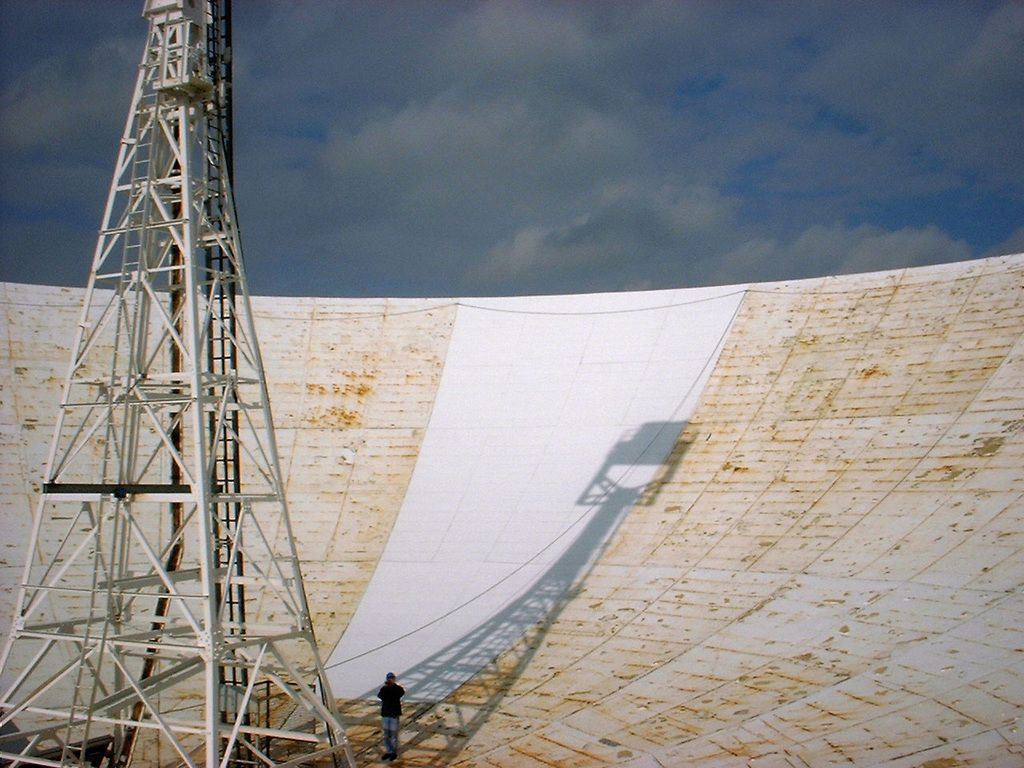
The second PiP shows the dish with a man standing near the centre, when the dish was being resurfaced. It gives one a sense of just how big the dish is.
doc/1021409/52929124" target="_blank" rel="nofollow">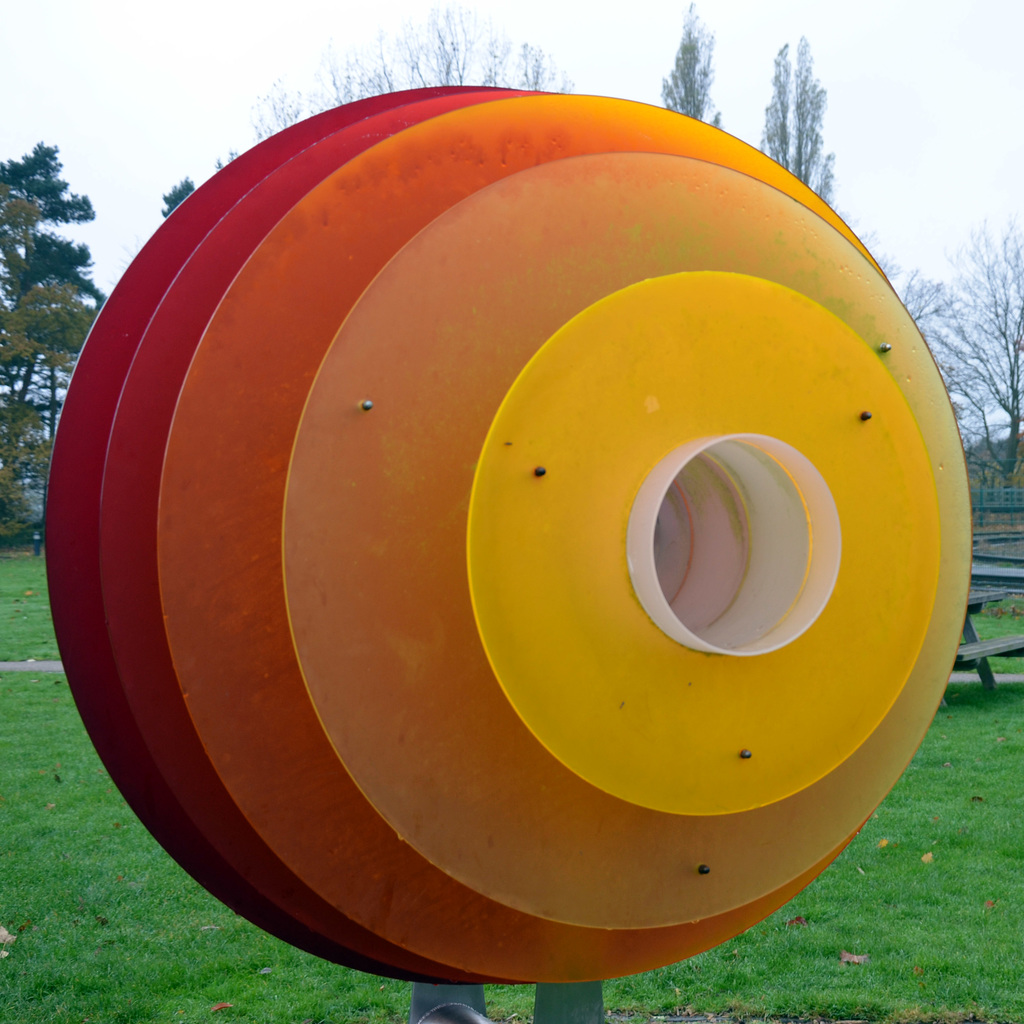
More info can be found here: www.jodrellbank.net/explore/heritage/the-story-of-jodrell-bank
The turning point came in October 1957, when the Soviet Union launched Sputnik 1, the first artificial satellite. This was the start of the Space Race and the eyes of the world turned to the sky. It became apparent that the near-complete telescope at Jodrell Bank was the only instrument in the world capable of locating and tracking the carrier rocket that had launched Sputnik – an intercontinental ballistic missile. Overnight the fortunes of the telescope changed, and within weeks it was fully operational.
The telescope at Jodrell Bank had a much more secret role in the Cold War. The telescope was the only device in the UK that could detect long-range missile attack, so in the early 1960s, through the height of the Cold War, Jodrell was the UK’s early warning defence system. During the Cuban Missile Crisis in 1962, RAF teams were ready to take control and point the telescope to the East.
In 2019 Jodrell Bank was recognised as a UNESCO World Heritage site for its pioneering role in helping to understand the Universe and our place within it. The Lovell Telescope is a Grade 1 listed building, remains the third largest telescope of its kind in the world and is still in use as a working scientific instrument.
The first Pip shows an art installation by the telescope dish.
The second PiP shows the dish with a man standing near the centre, when the dish was being resurfaced. It gives one a sense of just how big the dish is.
doc/1021409/52929124" target="_blank" rel="nofollow">
More info can be found here: www.jodrellbank.net/explore/heritage/the-story-of-jodrell-bank
Nouchetdu38, Erhard Bernstein, LotharW, m̌ ḫ and 17 other people have particularly liked this photo
- Keyboard shortcuts:
Jump to top
RSS feed- Latest comments - Subscribe to the comment feeds of this photo
- ipernity © 2007-2025
- Help & Contact
|
Club news
|
About ipernity
|
History |
ipernity Club & Prices |
Guide of good conduct
Donate | Group guidelines | Privacy policy | Terms of use | Statutes | In memoria -
Facebook
X

I like this photo Amelia...........great symmetry and super detail.
An interesting and well researched narrative to accompany the photo and thanks for the link as well, which I've bookmarked to read later.
The art installation in the PiP looks impressive!
Wish you a nice evening!
Amelia club has replied to Ko Hummel clubSign-in to write a comment.