

Xata's photos
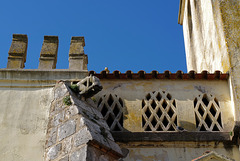
Alvito, Igreja de NS da Assunção
| |
|
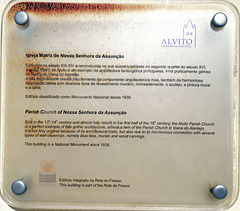
Alvito, Igreja de NS da Assunção (PIP)
| |
|
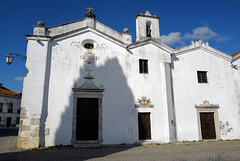
Alvito, Igreja da Misericórdia
| |
|
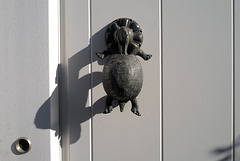
Alvito, Door knob
| |
|
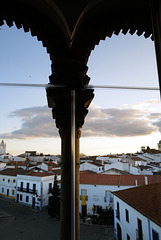
Alvito, Castelo-pousada
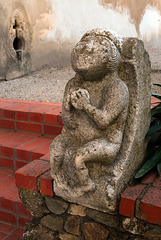
Alvito, Castelo-pousada
| |
|
|
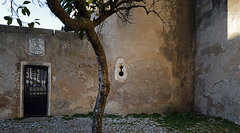
Alvito, Castelo-pousada
| |
|
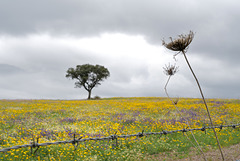
Alentejo, Aljustrel, HFF
| |
|
|
|
Chrysanthemum segetum, Asteraceae, Pampilho-das-searas
Echium plantagineum, Boraginaceae, Chupa-mel, Soagem
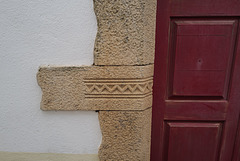
Marvão
| |
|
|
|
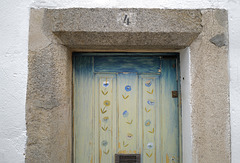
Marvão
| |
|
|
|
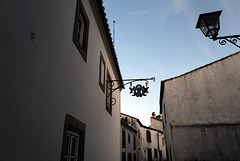
Marvão, HWW
| |
|
|
|
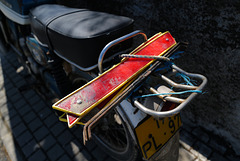
In Penedos the blue rope is everywhere
| |
|
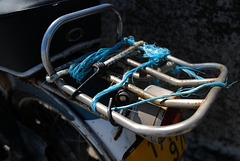
In Penedos the blue rope is everywhere
| |
|
|
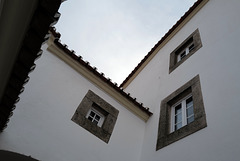
Marvão, HWW
| |
|
|
|
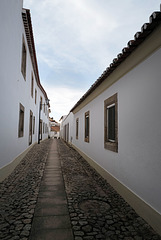
Marvão, looking left outside the Pousada
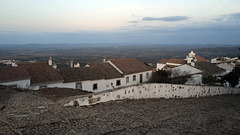
Marvão, after sunset
| |
|
|
|
PIP ABOVE :
Marvão (Portuguese pronunciation: [mɐɾˈvɐ̃w] (audio speaker iconlisten)) is a municipality in Portalegre District in Portugal. The population in 2020 was 2,972 (and dropping at a rate of around one inhabitant per week), in an area of 154.90 km2. The present Mayor is Luís Vitorino, elected by the Social Democratic Party. The municipal holiday is September 8.
Perched on a quartzite crag of the Serra de São Mamede, Marvão's name is derived from an 8th-century Muwallad rebel, named Ibn Marwan. Ibn Marwan, who constructed the Castle of Marvão - likely on the site of an earlier Roman watchtower - as a power base when establishing an independent statelet ("emirate", duchy) - covering much of modern-day Portugal - during the Emirate of Cordoba (884-931 CE). The castle and walled village were further fortified through the centuries, notably under Sancho II of Portugal (13th century) and Denis of Portugal.
The village has generated significant tourist interest in recent years. It was included in the #1 New York Times bestselling book, 1000 Places to see Before you Die. Nobel Prize-winning author José Saramago wrote of the village, "From Marvão one can see the entire land ... It is understandable that from this place, high up in the keep at Marvão Castle, visitors may respectfully murmur, 'How great is the world'."
In the 1950s, author Huldine V. Beamish wrote of Marvão, "There is an atmosphere about the district (of Marvão) that is very ancient. At times you have the same peculiar feelings as those evoked by Stonehenge and that amazing druid monument at Callernish in the Isle of Lewis. Picking your way along the steep stony pathways, you would not be at all surprised to meet a Phoenician trader or Roman Soldier. It would be the most natural thing in the world."
More info in : en.wikipedia.org/wiki/Marvão
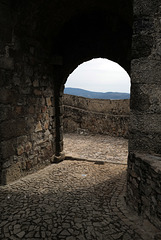
Marvão, Castle
| |
|
|
|
The Castle of Marvão is constituted by an imposing wall, where the typical and monumental picturesque village is enclosed, with a very old hull, and the castle itself, situated at the highest point of the rocky spur, in permanent vigilance over a bordering territory.
D. Afonso Henriques is said to have taken the fortress from the Moors in 1166.
Its excellent strategic position on the border defence line has earned it the attention of numerous monarchs, who have carried out major remodelling works, some of which can still be seen today.
D. Sancho II granted it a charter in 1226 in order to keep this outpost populated and thus protected from the numerous attacks from Spain.
But it was King Dinis who undertook the first major expansion and remodelling works. At that time - 1300 - the keep was built.
Years later, during the War of Restoration, the castle was rebuilt in an architectural language which seems to have been not only of a military nature but also, we might say, aesthetic, evident in the volumetry developed at the time.
Adjoining the Keep, a high interior wall still survives today, which surrounds the terreiro. This structure is still surrounded by a second line of walls, reinforced with turrets and battlements.
The barbican is the beginning of an extensive defensive line that crowns the hill and surrounds and protects the town.
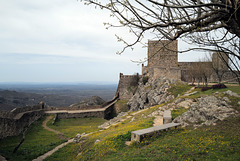
Marvão, Castle, HBM
| |
|
|
|
The Castle of Marvão is constituted by an imposing wall, where the typical and monumental picturesque village is enclosed, with a very old hull, and the castle itself, situated at the highest point of the rocky spur, in permanent vigilance over a bordering territory.
D. Afonso Henriques is said to have taken the fortress from the Moors in 1166.
Its excellent strategic position on the border defence line has earned it the attention of numerous monarchs, who have carried out major remodelling works, some of which can still be seen today.
D. Sancho II granted it a charter in 1226 in order to keep this outpost populated and thus protected from the numerous attacks from Spain.
But it was King Dinis who undertook the first major expansion and remodelling works. At that time - 1300 - the keep was built.
Years later, during the War of Restoration, the castle was rebuilt in an architectural language which seems to have been not only of a military nature but also, we might say, aesthetic, evident in the volumetry developed at the time.
Adjoining the Keep, a high interior wall still survives today, which surrounds the terreiro. This structure is still surrounded by a second line of walls, reinforced with turrets and battlements.
The barbican is the beginning of an extensive defensive line that crowns the hill and surrounds and protects the town.
IN PIP VIEW FROM THE OTHER SIDE
