

Panjiayuan
Tree House
Zha zha café
Zakázané mesto
Zakázané mesto - vchod
Zakázané mesto
Zakázané mesto
Zakázané mesto
Zakázané mesto - hrncek
Zakázané mesto - lefi
Zakázané mesto
Zakázané mesto - zahrada
Zakázané mesto - zahrada
Zakázané mesto
Dragon wall
Zakázané mesto
Zakázané mesto - lefi
Zakázané mesto
Zakázané mesto - divadlo
Zakázané mesto - divadlo
Zakázané mesto
Zakázané mesto
Zakázané mesto
Tu'er Ye
Vegetarian Buddha
牛
2009
Buddha in shade
Buddha
Buddha
Heil buddha?!
Buddha for sale
Yunnanese Buddha
Fancy tea sitting
Ripe dark tea
Corn-decorated House
Starý nápis
the New and the Old
Welcome home
Gate says the new year is coming
Nápisy IV.
Entrance
Traditional entrance
Our Night on the Kàng [炕] Warmth, Tradition, and a…
Dzedzina
See also...
See more...
Keywords
Authorizations, license
-
Visible by: Everyone -
All rights reserved
-
2 062 visits
Tu'er Ye - a Chinese gay deity


Tu’er Ye, or the Rabbit God, is a charming clay figurine from Beijing, instantly recognisable by its human body and rabbit’s head. Traditionally, it’s a symbol of the Mid-Autumn Festival, embodying wishes for happiness and protection. Yet, what many don’t know is that Tu’er Ye also has a fascinating connection to LGBTQ+ history in China.
In some folk traditions, Tu’er Ye is celebrated as a patron of homosexual love. This association stems from Qing dynasty Beijing, where the Rabbit God became a discreet symbol for gay men seeking companionship and acceptance in a conservative society. Shrines dedicated to Tu’er Ye once dotted the city, offering a rare space for same-sex couples to pray for love and happiness—much like their heterosexual counterparts.
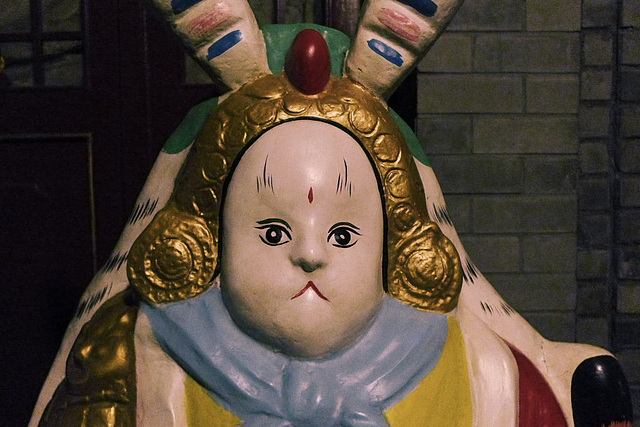
Today, Tu’er Ye stands as both a delightful festival mascot and a quiet icon of queer history, reminding us that the desire for love and acceptance transcends time and tradition. Whether perched on a festival stall or tucked away in a private shrine, the Rabbit God’s gentle smile continues to inspire hope, diversity, and a sense of belonging in the heart of Beijing.
In some folk traditions, Tu’er Ye is celebrated as a patron of homosexual love. This association stems from Qing dynasty Beijing, where the Rabbit God became a discreet symbol for gay men seeking companionship and acceptance in a conservative society. Shrines dedicated to Tu’er Ye once dotted the city, offering a rare space for same-sex couples to pray for love and happiness—much like their heterosexual counterparts.
Today, Tu’er Ye stands as both a delightful festival mascot and a quiet icon of queer history, reminding us that the desire for love and acceptance transcends time and tradition. Whether perched on a festival stall or tucked away in a private shrine, the Rabbit God’s gentle smile continues to inspire hope, diversity, and a sense of belonging in the heart of Beijing.
Annemarie, William Sutherland, Kayleigh, Don Sutherland have particularly liked this photo
- Keyboard shortcuts:
Jump to top
RSS feed- Latest comments - Subscribe to the comment feeds of this photo
- ipernity © 2007-2026
- Help & Contact
|
Club news
|
About ipernity
|
History |
ipernity Club & Prices |
Guide of good conduct
Donate | Group guidelines | Privacy policy | Terms of use | Statutes | In memoria -
Facebook
X

Admired in: www.ipernity.com/group/tolerance
Sign-in to write a comment.