Kris Lockyear's photos
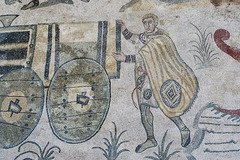
Piazza Amerina mosaic
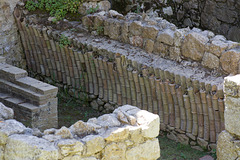
Piazza Amerina praefurnium
| |
|
|
|
Detail showing the vaulting tubes on one side of the praefurnium of the baths at Piazza Amerina. The baths had two caldaria with pools and a "dry heat" laconicum in middle.
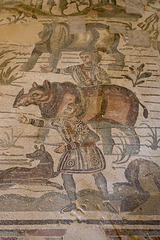
Piazza Amerina rhino
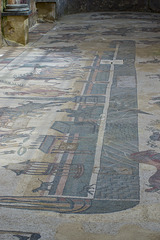
Two apses (7)
| |
|
The "two apses" room is the entrance to the baths at the Roman palace at Piazza Armerina, Sicily. The mosaics represent the Circus Maximus in Rome and show a chariot race in progress. Early 4th century AD.
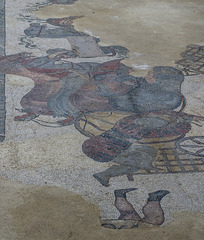
Two apses (5)
| |
|
The "two apses" room is the entrance to the baths at the Roman palace at Piazza Armerina, Sicily. The mosaics represent the Circus Maximus in Rome and show a chariot race in progress. Early 4th century AD.
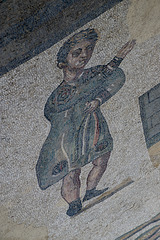
Two apses (4)
| |
|
The "two apses" room is the entrance to the baths at the Roman palace at Piazza Armerina, Sicily. The mosaics represent the Circus Maximus in Rome and show a chariot race in progress. Early 4th century AD.
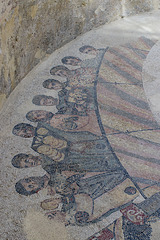
Two apses (3)
| |
|
The "two apses" room is the entrance to the baths at the Roman palace at Piazza Armerina, Sicily. The mosaics represent the Circus Maximus in Rome and show a chariot race in progress. Early 4th century AD.
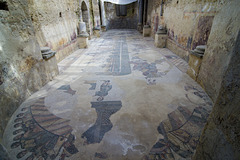
Two apses (2)
| |
|
|
|
The "two apses" room is the entrance to the baths at the Roman palace at Piazza Armerina, Sicily. The mosaics represent the Circus Maximus in Rome and show a chariot race in progress. Early 4th century AD.
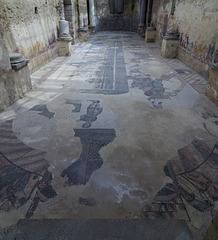
Two apses (1)
| |
|
The "two apses" room is the entrance to the baths at the Roman palace at Piazza Armerina, Sicily. The mosaics represent the Circus Maximus in Rome and show a chariot race in progress. Early 4th century AD.
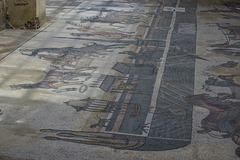
Two apses (7)
| |
|
The "two apses" room is the entrance to the baths at the Roman palace at Piazza Armerina, Sicily. The mosaics represent the Circus Maximus in Rome and show a chariot race in progress. Early 4th century AD.
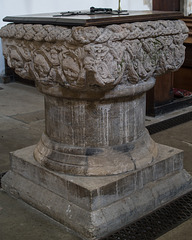
St Lawrence, Castle Rising, font
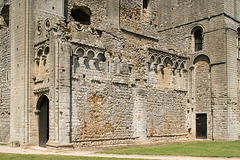
Castle Rising keep (6)
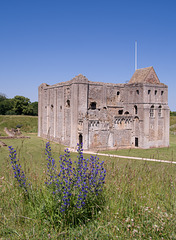
Castle Rising keep (5)
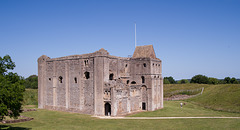
Castle Rising keep (4)
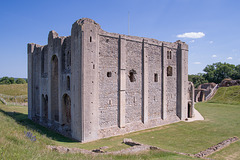
Castle Rising keep (3)
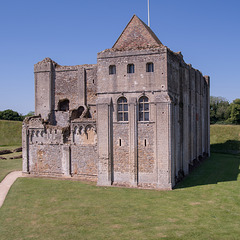
Castle Rising keep (2)
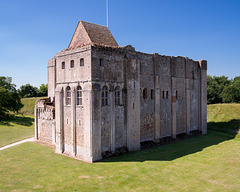
Castle Rising keep (1)