

John Sheldon's photos

22 Sep 2018
1 favorite
1 comment
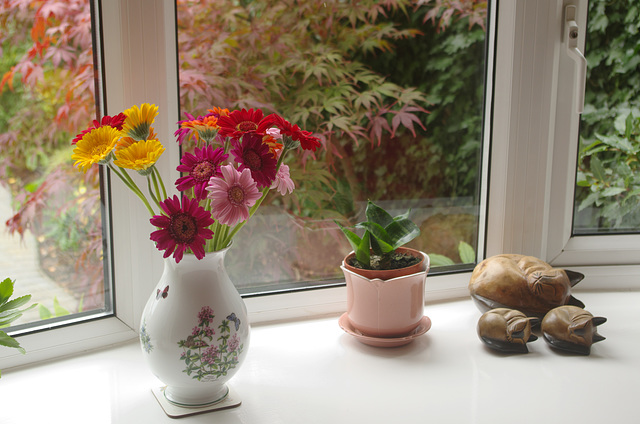
Colours to brighten a dull day
05 May 2018
2 favorites
3 comments
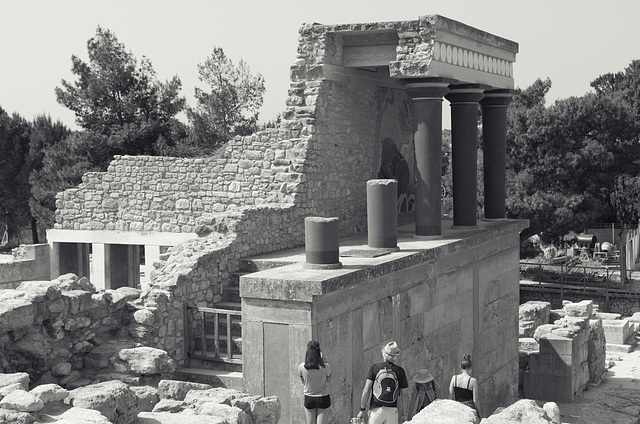
The North Entrance at Knossos Palace
The Knossos Palace remains are sited just south of modern day Heraklion in Crete. It was the centre of the Minoan civilisation and in mythology was the residence of King Minos. It is noted for its use of luxury materials, complex 'labyrinthine' architectural plan, advanced building techniques (including measures against earthquake damage and drainage that still works) and impressive size. These are remains of the second palace on the site, which lasted from about 1700 to 1350 BCE.
The 'North Propylaeum' is the North Entrance to the Palace and it is located at the end of the road from the harbour.
05 May 2018
2 favorites
1 comment
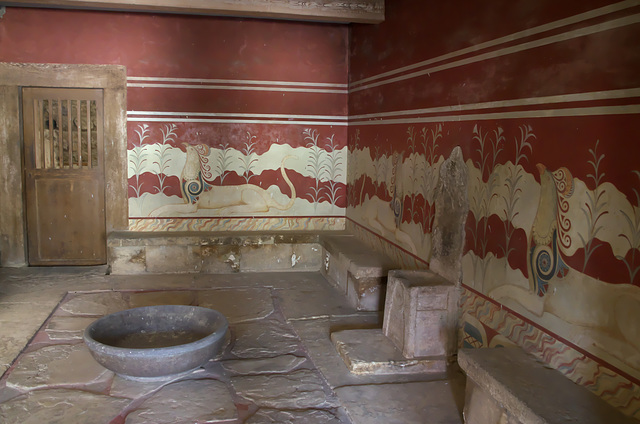
Throne Room (Goddess Sanctuary) at Knossos
The Throne Room at Knossos Palace is popularly thought to have been the place where the kings of the Minoan civilisation sat in state. It could equally have been a room dedicated to religious purposes, perhaps the main shrine in the Palace. This might explain the low ceiling and sense of mystery. The throne would have been where or a priestess representing the deity sat. (Minoan religion appears to have been founded on a mother goddess figure.)
The Knossos Palace remains are sited just south of modern day Heraklion in Crete. It was the centre of the Minoan civilisation and in mythology was the residence of King Minos. These are remains of the second palace on the site, which lasted from about 1700 to 1350 BCE.
05 May 2018
1 favorite
1 comment
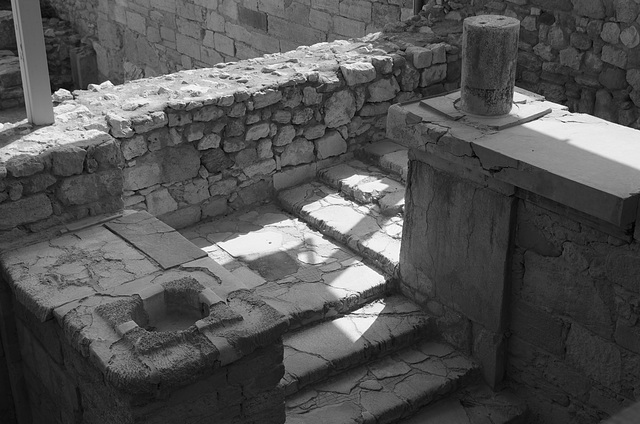
The Grand Staircase at Knossos Palace
The Knossos Palace remains are sited just south of modern day Heraklion in Crete. It was the centre of the Minoan civilisation and in mythology was the residence of King Minos. It is noted for its use of luxury materials, complex 'labyrinthine' architectural plan, advanced building techniques (including measures against earthquake damage and drainage that still works) and impressive size. These are remains of the second palace on the site, which lasted from about 1700 to 1350 BCE.
The Grand Staircase is in the east wing of the Palace. It was once thought to have led down stairs to the royal apartments, but recent opinion holds that the rooms below would have been too gloomy for royal occupation. There are 54 stairs, remarkably well preserved.
05 May 2018
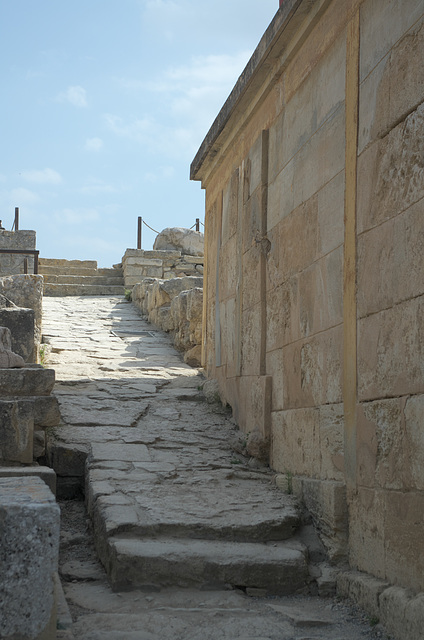
Small entrance ramp at Knossos Palace
The Knossos Palace remains are sited just south of modern day Heraklion in Crete. It was the centre of the Minoan civilisation and in mythology was the residence of King Minos. These are remains of the second palace on the site, which lasted from about 1700 to 1350 BCE.
This ramp lies at the end of the road from the sea. Its narrowness is believed to be for security reasons. The rest of the site does not suggest that smallness was important to Minoan architects.
05 May 2018
1 favorite
1 comment
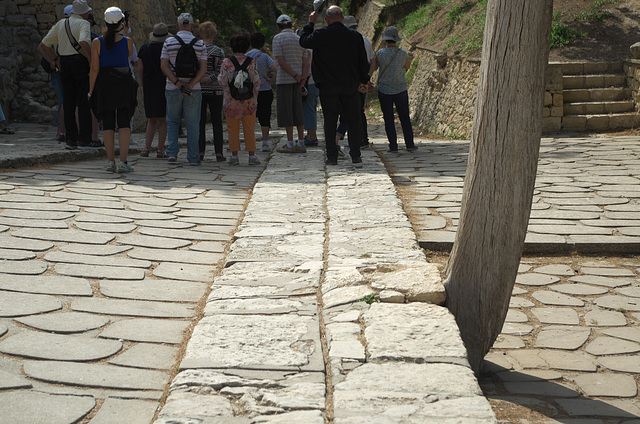
The Royal Road at Knossos Palace
This is one of the oldest and best preserved ancient roads in Europe. It originally ran from the sea, through the town, to the Palace.
The Knossos Palace remains are sited just south of modern day Heraklion in Crete. It was the centre of the Minoan civilisation and in mythology was the residence of King Minos. These are remains of the second palace on the site, which lasted from about 1700 to 1350 BCE.
06 May 2018
2 favorites
2 comments
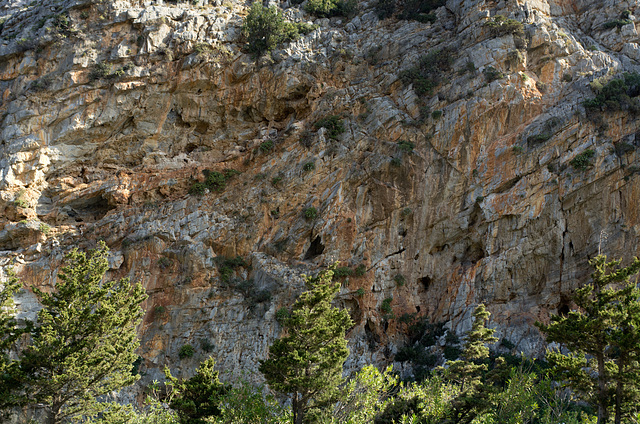
Eroded cliff face on Crete.
This high rock wall has been created by erosion. The cave like openings are the channels where underground rivers used to run.
06 May 2018
1 favorite
2 comments
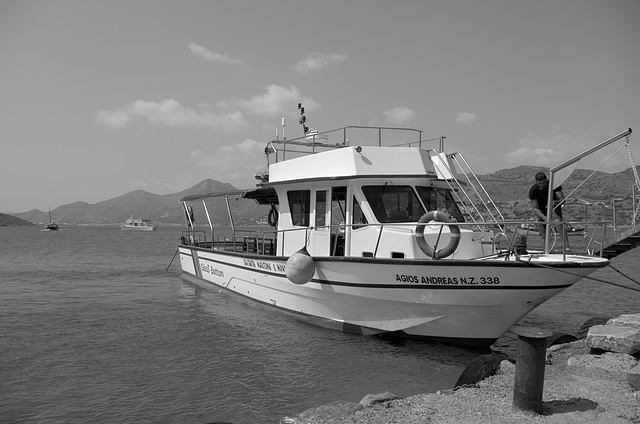
Ferry boat at Spinalonga
A place of great strategic importance for many centuries, Spinalonga island became a home for leprosy sufferers in the early 20th century. It is now uninhabited and a venue for tourists who reach it from the mainland by boat.
06 May 2018
1 favorite
1 comment
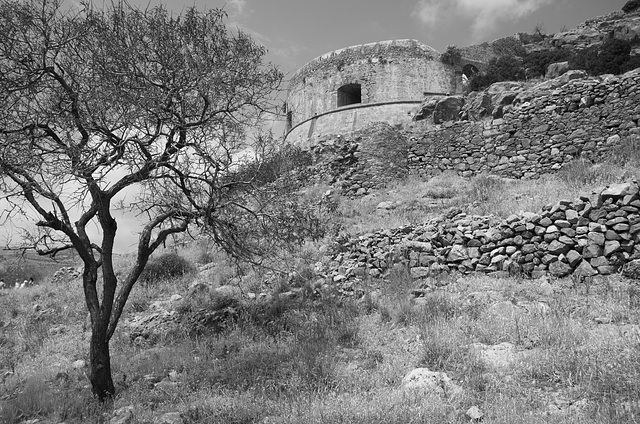
Venetian fortress at Spinalonga
Spinalonga island, just north of Crete, was an important strategic site for many centuries. deaths and casualties incurred attacking and defending it total hundreds of thousands. Venetians occupied the island between c1550 and 1715 when they were succeeded by the Ottoman Empire.
