


Pays de la Loire

A collection of photos taken over the years. They just all have in common, that they were taken in "Pays de la Loire" in western France.
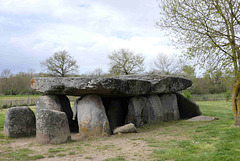
Dolmen de la Frébouchère
| |
|
The Dolmen of Frébouchère (aka Pierre-Couverte) is located to the north of the village of Bernard.
It probably dates from the late Neolithic or early Bronze Age and is one of the largest dolmens in the region.
Long used as a sheepfold, the dolmen consists of a damaged entrance and a large rectangular chamber 3.5 metres wide, over seven metres long and two metres high, covered with a broken slab weighing more than 80 tonnes. Three supporting stones on one side and one supporting stone on the other as well as two end stones support the capstone. A tapered menhir in the chamber, which does not support the capstone, may have had religious significance.
Originally, the site was surrounded by a mound of earth. Three stones from the edge of the mound, which originally surrounded the dolmen, have been preserved.
Local floklore knows, that the dolmen is said to have been built by fairies and fadets. According to a testimony from 1840, the dolmen served as a banqueting hall on public holidays: the young girls danced on the ceiling while the old people were served wine in the burial chamber.
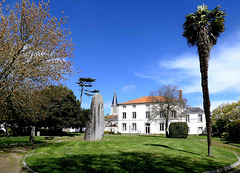
Avrillé - Menhir du Camp de César
| |
|
|
The Menhir du Camp de César (Menhir de Bourg-Jardin) is around 7.2 metres high and weighs around 85 tonnes. It is one of the largest menhirs in France. The menhir is the only survivor of three stones that stood here until the 20th century.
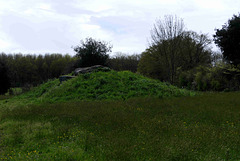
Dolmen de la Sulette
| |
|
The Dolmen de la Sulette was completely excavated, dismantled and rebuilt between 1989 and 1994.
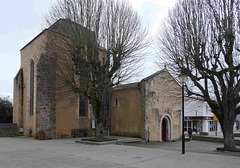
Saint-Vincent-sur-Jard - St. Vincent
| |
|
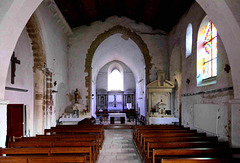
Gregory of Tours mentions a church in Saint-Vincent-sur-Jard as early as the 6th century. The current church was built in the 11th and 12th centuries in Romanesque style. The church is under the patronage of St Vincent de Valencia. Relics of the saint are said to have been brought to Saint-Vincent-sur-Jard in the early Middle Ages and kept in a chapel, which was probably burnt down during the Norman invasions in the 9th century.
Saint-Vincent-sur-Jard - St. Vincent
| |
|
|
|
Gregory of Tours mentions a church in Saint-Vincent-sur-Jard as early as the 6th century. The current church was built in the 11th and 12th centuries in Romanesque style. The church is under the patronage of St Vincent de Valencia. Relics of the saint are said to have been brought to Saint-Vincent-sur-Jard in the early Middle Ages and kept in a chapel, which was probably burnt down during the Norman invasions in the 9th century.
Château de Saint-Mesmin
| |
|
|
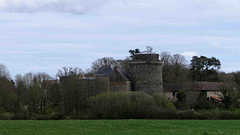
The Château de Saint-Mesmin, a medieval fortress from the 14th century, is located in the commune of Saint-André-sur-Sèvre. However, the castle bears the name of a commune in the Vendée department , located less than two kilometers away: Saint-Mesmin .
A fiefdom of several families since the 14th century. After a long period of deterioration, the castle was restored in the 1980s and is now the property of a joint syndicate bringing together the departments of Vendée and Deux-Sèvres, which open it to visitors.

Mamers - Halle aux Grains
| |
|
|
The village of Mamers originated from a Gallo-Roman settlement. It was first mentioned in the 6th and 7th centuries in the lives of the hermits Saint Rigomer and Saint Longis.
In 1171, Saosnois, where the village is located, passed into the hands of John I, Count of Alençon, and then, through marriage, into the hands of the Châtellerault, Harcourt, and Alençon families. During the Hundred Years' War, Mamers was destroyed by the army of the Count of Salisbury. The end of hostilities allowed for economic recovery and the beginning of reconstruction.
The Reformation and the religious struggles of the 16th century led to a new wave of violence and ruin. After the assassination of Henry III, Saosnois remained loyal to its master, Henry IV. In 1650, however, by which time Mamers had become an important center of the Reformed religion, the town was besieged and subsequently burned.
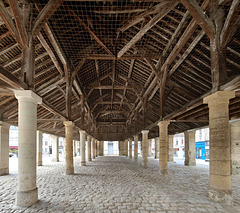
The grain market from the 19th century
Mamers - Halle aux Grains
| |
|
|
The village of Mamers originated from a Gallo-Roman settlement. It was first mentioned in the 6th and 7th centuries in the lives of the hermits Saint Rigomer and Saint Longis.
In 1171, Saosnois, where the village is located, passed into the hands of John I, Count of Alençon, and then, through marriage, into the hands of the Châtellerault, Harcourt, and Alençon families. During the Hundred Years' War, Mamers was destroyed by the army of the Count of Salisbury. The end of hostilities allowed for economic recovery and the beginning of reconstruction.
The Reformation and the religious struggles of the 16th century led to a new wave of violence and ruin. After the assassination of Henry III, Saosnois remained loyal to its master, Henry IV. In 1650, however, by which time Mamers had become an important center of the Reformed religion, the town was besieged and subsequently burned.
The grain market from the 19th century

Mamers - Tabac des halles
| |
|
|
The village of Mamers originated from a Gallo-Roman settlement. It was first mentioned in the 6th and 7th centuries in the lives of the hermits Saint Rigomer and Saint Longis.
In 1171, Saosnois, where the village is located, passed into the hands of John I, Count of Alençon, and then, through marriage, into the hands of the Châtellerault, Harcourt, and Alençon families. During the Hundred Years' War, Mamers was destroyed by the army of the Count of Salisbury. The end of hostilities allowed for economic recovery and the beginning of reconstruction.
The Reformation and the religious struggles of the 16th century led to a new wave of violence and ruin. After the assassination of Henry III, Saosnois remained loyal to its master, Henry IV. In 1650, however, by which time Mamers had become an important center of the Reformed religion, the town was besieged and subsequently burned.
Tabac des halles

Mamers - Peugeot
| |
|
|
The village of Mamers originated from a Gallo-Roman settlement. It was first mentioned in the 6th and 7th centuries in the lives of the hermits Saint Rigomer and Saint Longis.
In 1171, Saosnois, where the village is located, passed into the hands of John I, Count of Alençon, and then, through marriage, into the hands of the Châtellerault, Harcourt, and Alençon families. During the Hundred Years' War, Mamers was destroyed by the army of the Count of Salisbury. The end of hostilities allowed for economic recovery and the beginning of reconstruction.
The Reformation and the religious struggles of the 16th century led to a new wave of violence and ruin. After the assassination of Henry III, Saosnois remained loyal to its master, Henry IV. In 1650, however, by which time Mamers had become an important center of the Reformed religion, the town was besieged and subsequently burned.
Peugeot

Mamers - Théâtre municipal
| |
|
|
The village of Mamers originated from a Gallo-Roman settlement. It was first mentioned in the 6th and 7th centuries in the lives of the hermits Saint Rigomer and Saint Longis.
In 1171, Saosnois, where the village is located, passed into the hands of John I, Count of Alençon, and then, through marriage, into the hands of the Châtellerault, Harcourt, and Alençon families. During the Hundred Years' War, Mamers was destroyed by the army of the Count of Salisbury. The end of hostilities allowed for economic recovery and the beginning of reconstruction.
The Reformation and the religious struggles of the 16th century led to a new wave of violence and ruin. After the assassination of Henry III, Saosnois remained loyal to its master, Henry IV. In 1650, however, by which time Mamers had become an important center of the Reformed religion, the town was besieged and subsequently burned.
The building was erected in 1818 and by then served as a linen market. After the decline of the hemp industry, the market was decommissioned and a theater was built there in 1851.
Mamers - Notre-Dame
| |
|
|
The village of Mamers originated from a Gallo-Roman settlement. It was first mentioned in the 6th and 7th centuries in the lives of the hermits Saint Rigomer and Saint Longis.
In 1171, Saosnois, where the village is located, passed into the hands of John I, Count of Alençon, and then, through marriage, into the hands of the Châtellerault, Harcourt, and Alençon families. During the Hundred Years' War, Mamers was destroyed by the army of the Count of Salisbury. The end of hostilities allowed for economic recovery and the beginning of reconstruction.
The Reformation and the religious struggles of the 16th century led to a new wave of violence and ruin. After the assassination of Henry III, Saosnois remained loyal to its master, Henry IV. In 1650, however, by which time Mamers had become an important center of the Reformed religion, the town was besieged and subsequently burned.
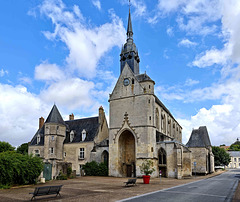
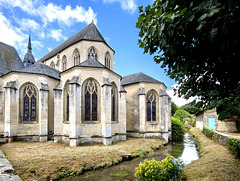
A church was built on the site of the 11th-century chapel of the adjacent priory. The chapel was destroyed in the 15th century. In its place, a rectangular church with a square tower to the south was built.
The (catholic) church was partially damaged during the Wars of Religion. Between 1828 and 1832, the chancel was rebuilt and extended.
Mamers - Notre-Dame
| |
|
|
The village of Mamers originated from a Gallo-Roman settlement. It was first mentioned in the 6th and 7th centuries in the lives of the hermits Saint Rigomer and Saint Longis.
In 1171, Saosnois, where the village is located, passed into the hands of John I, Count of Alençon, and then, through marriage, into the hands of the Châtellerault, Harcourt, and Alençon families. During the Hundred Years' War, Mamers was destroyed by the army of the Count of Salisbury. The end of hostilities allowed for economic recovery and the beginning of reconstruction.
The Reformation and the religious struggles of the 16th century led to a new wave of violence and ruin. After the assassination of Henry III, Saosnois remained loyal to its master, Henry IV. In 1650, however, by which time Mamers had become an important center of the Reformed religion, the town was besieged and subsequently burned.
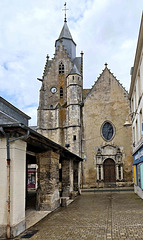
A church was built on the site of the 11th-century chapel of the adjacent priory. The chapel was destroyed in the 15th century. In its place, a rectangular church with a square tower to the south was built.
The church was partially damaged during the Wars of Religion. Between 1828 and 1832, the chancel was rebuilt and extended.
Mamers - Saint-Nicolas
| |
|
|
The village of Mamers originated from a Gallo-Roman settlement. It was first mentioned in the 6th and 7th centuries in the lives of the hermits Saint Rigomer and Saint Longis.
In 1171, Saosnois, where the village is located, passed into the hands of John I, Count of Alençon, and then, through marriage, into the hands of the Châtellerault, Harcourt, and Alençon families. During the Hundred Years' War, Mamers was destroyed by the army of the Count of Salisbury. The end of hostilities allowed for economic recovery and the beginning of reconstruction.
The Reformation and the religious struggles of the 16th century led to a new wave of violence and ruin. After the assassination of Henry III, Saosnois remained loyal to its master, Henry IV. In 1650, however, by which time Mamers had become an important center of the Reformed religion, the town was besieged and subsequently burned.
The building was constructed in the 13th century on the foundations of an old fortress. In the second half of the 14th century, it was extended to include the current Gothic nave and the bell tower was raised. The Renaissance portal was added in 1556. In 1590, the church, along with the rest of the town center, was burned down during the Wars of Religion by Huguenot troops under Pierre de Fontenay. The building was not restored until 1654 and 1659.

Mamers - Saint-Nicolas
| |
|
|
The village of Mamers originated from a Gallo-Roman settlement. It was first mentioned in the 6th and 7th centuries in the lives of the hermits Saint Rigomer and Saint Longis.
In 1171, Saosnois, where the village is located, passed into the hands of John I, Count of Alençon, and then, through marriage, into the hands of the Châtellerault, Harcourt, and Alençon families. During the Hundred Years' War, Mamers was destroyed by the army of the Count of Salisbury. The end of hostilities allowed for economic recovery and the beginning of reconstruction.
The Reformation and the religious struggles of the 16th century led to a new wave of violence and ruin. After the assassination of Henry III, Saosnois remained loyal to its master, Henry IV. In 1650, however, by which time Mamers had become an important center of the Reformed religion, the town was besieged and subsequently burned.
The building was constructed in the 13th century on the foundations of an old fortress. In the second half of the 14th century, it was extended to include the current Gothic nave and the bell tower was raised. The Renaissance portal was added in 1556. In 1590, the church, along with the rest of the town center, was burned down during the Wars of Religion by Huguenot troops under Pierre de Fontenay. The building was not restored until 1654 and 1659.
Mamers - Cycling Race
| |
|
|
|
The village of Mamers originated from a Gallo-Roman settlement. It was first mentioned in the 6th and 7th centuries in the lives of the hermits Saint Rigomer and Saint Longis.
In 1171, Saosnois, where the village is located, passed into the hands of John I, Count of Alençon, and then, through marriage, into the hands of the Châtellerault, Harcourt, and Alençon families. During the Hundred Years' War, Mamers was destroyed by the army of the Count of Salisbury. The end of hostilities allowed for economic recovery and the beginning of reconstruction.
The Reformation and the religious struggles of the 16th century led to a new wave of violence and ruin. After the assassination of Henry III, Saosnois remained loyal to its master, Henry IV. In 1650, however, by which time Mamers had become an important center of the Reformed religion, the town was besieged and subsequently burned.
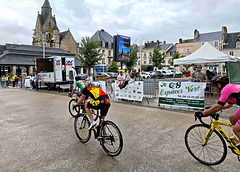
The cycling race („Grand Prix Mamers“) in the foreground. In the back the "Halle aux Grains" and Saint-Nicholas.
Jump to top
RSS feed- Latest items - Subscribe to the latest items added to this album
- ipernity © 2007-2026
- Help & Contact
|
Club news
|
About ipernity
|
History |
ipernity Club & Prices |
Guide of good conduct
Donate | Group guidelines | Privacy policy | Terms of use | Statutes | In memoria -
Facebook
X
