

Andrew Trundlewagon's photos
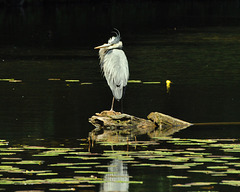
Blue heron on rock
| |
|
|
|
A Blue Heron, not looking too happy, on a rock. This is at lac des bouleaux, which means 'birch lake", in St. Bruno near Montreal.
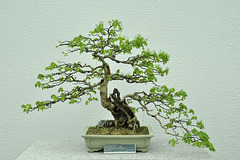
bonsai-90yr-DSC 0665 V2
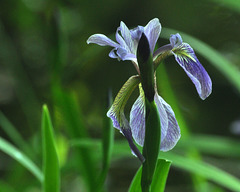
st bruno Iris june 2015 CSC 1881
| |
|
|
|
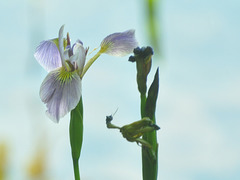
Wild iris besides a lake.
(En 1999, l'iris fut choisi comme fleur-emblème du Québec)
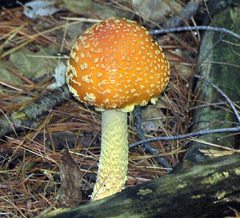
st bruno june 2015 mushroom CSC 1880
st bruno Iris june 2015 CSC 1947

poppy cheek by cheek june 2015 DSC 1958
Double-crested comorant st bruno may 2015 DSC 1180
St Bruno Iris June 6 2015 DSC 1581
| |
|
|
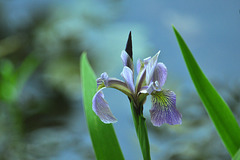
A wild iris growing by a lake, St Bruno, Quebec. These are also called "Blue flags", the word flag is from old English Flagge meaning reed or rush.
White Admiral Northeastern Jun2 6 2015 DSC 1657
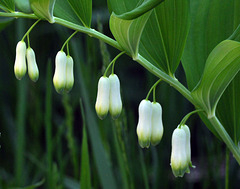
Solomons seal Polygonatum biflorum Don Mills wood…
| |
|
|
|
Solomon's seal, from Don Valley parklands, Toronto. It is a mid-sized woodland plant, about 45cm tall, with curved stems that carry white flowers. It is a relative of lily of the valley and is said to have therapeutic properties.
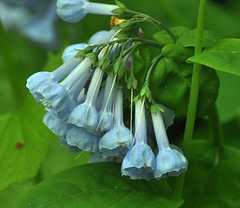
virginia bluebells may 2015 don valley DSC 0905
| |
|
|
|
Virginia Bluebells, a spring flower of the woods, Bestview Park, Toronto. They spread a carpet of blue under the trees.
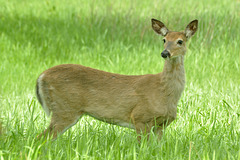
deer st bruno may 23 2015 DSC 1142
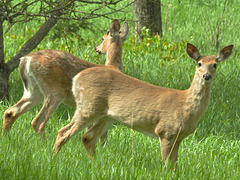
deer st bruno may 23 2015 CSC 1235
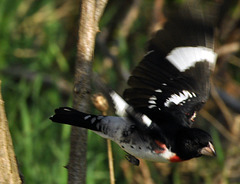
rose breasted grosbeak may 17th 2015 don mills DSC…
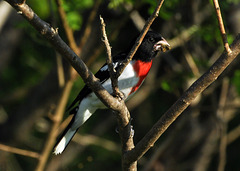
rose breasted grosbeak 2 may 17 2015 don mills DSC…
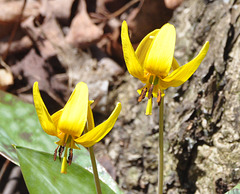
trout lily DSC 0620
| |
|
Trout lily. A spring plant of the forest floor. St Bruno near Montreal. It can take as long as seven years growth before these plants flower. It is said to be called the trout lily because the mottled and flecked appearance of the leaves looks like trout skin. I don't see the similarity myself.
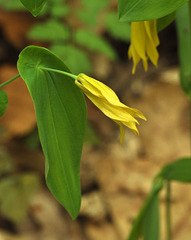
perfoliate bellwort DSC 0724
| |
|
A small yellow plant of the forest floor. This is called perfoliate because the stem carrying the flower appears to grow through the leave (or rather the leave grows around the stem). St Bruno near Montreal.( Uvularia perfoliata )
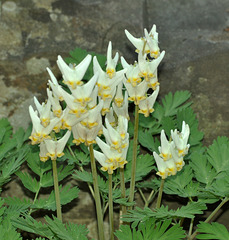
dutchmans breeches may st bruno DSC 0608
| |
|
These are called Dutchman’s breeches, a spring flower of the forest floor. The flowers are pollenated by bumble bees. Other insects bite holes in the flowers to get at the pollen and nectar but this doesn’t pollenate them. The seeds are taken by ants to their nests. They eat the outer coating but dispose of the seeds in the nest “garbage dump”. The seeds grow there, safe in the nest and feeding on the ant nest detritus. St Bruno near Montreal.
