

Xata's photos
Wind turbine and clouds
| |
|
|
|
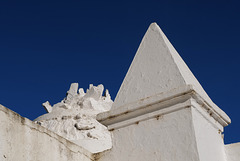
Capela do Senhor do Calvário, Mértola, Oddity
| |
|
|
|
CAPELA DO SENHOR DO CALVÁRIO
Capela de planta centralizada com desenho erudito. A capela-mor apresenta arco de volta perfeita e o altar tem camarim envidraçado, onde estão as imagens de Senhor Crucificado, Senhor da Coluna e Ecce Homo.
A centrally-planned chapel with an erudite design. The chancel has a round arch and the altar has a glazed dressing room with images of the Crucified Lord, the Lord of the Column and Ecce Homo.
Mértola
| |
|
|
|
Évoramonte, Chained
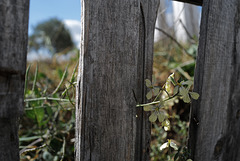
Raphanus raphanistrum, Penedos, HFF
| |
|
|
|
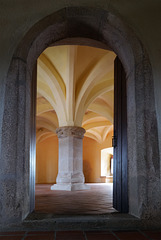
Évoramonte, in the castle
| |
|
|
|
PIPs ABOVE
The Castle of Evoramonte, alternately spelled Évora Monte or Évoramonte, (Portuguese: Castelo de Évora Monte/Castelo de Evoramonte) is a Portuguese castle in the civil parish of Evoramonte, municipality of Estremoz in the former district of Évora. Initiated in 1160, in the Gothic period, it was enlarged in later centuries in the Manueline style. It was at this site that the Concession of Evoramonte (or the Convention of Evoramonte) on was signed on 26 May 1834, that ended Liberal Wars between the Liberal forces of Queen Maria II of Portugal (under the regency of her father Peter VI of Portugal) and Absolutist armies of Miguel of Portugal.[1] Since 1910, it has been listed as a Portuguese National monument.
en.wikipedia.org/wiki/Castle_of_Evoramonte
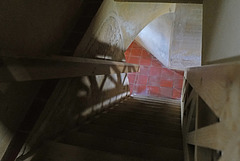
Évoramonte, in the castle
| |
|
|
|
The Castle of Evoramonte, alternately spelled Évora Monte or Évoramonte, (Portuguese: Castelo de Évora Monte/Castelo de Evoramonte) is a Portuguese castle in the civil parish of Evoramonte, municipality of Estremoz in the former district of Évora. Initiated in 1160, in the Gothic period, it was enlarged in later centuries in the Manueline style. It was at this site that the Concession of Evoramonte (or the Convention of Evoramonte) on was signed on 26 May 1834, that ended Liberal Wars between the Liberal forces of Queen Maria II of Portugal (under the regency of her father Peter VI of Portugal) and Absolutist armies of Miguel of Portugal.[1] Since 1910, it has been listed as a Portuguese National monument.
en.wikipedia.org/wiki/Castle_of_Evoramonte
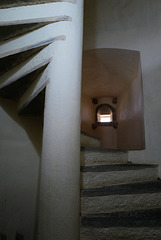
Évoramonte, in the castle
| |
|
|
|
PIP ABOVE
The Castle of Evoramonte, alternately spelled Évora Monte or Évoramonte, (Portuguese: Castelo de Évora Monte/Castelo de Evoramonte) is a Portuguese castle in the civil parish of Evoramonte, municipality of Estremoz in the former district of Évora. Initiated in 1160, in the Gothic period, it was enlarged in later centuries in the Manueline style. It was at this site that the Concession of Evoramonte (or the Convention of Evoramonte) on was signed on 26 May 1834, that ended Liberal Wars between the Liberal forces of Queen Maria II of Portugal (under the regency of her father Peter VI of Portugal) and Absolutist armies of Miguel of Portugal.[1] Since 1910, it has been listed as a Portuguese National monument.
en.wikipedia.org/wiki/Castle_of_Evoramonte
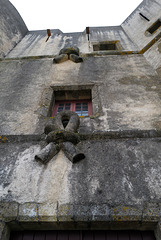
Évoramonte, The castle, HWW
| |
|
|
|
FOR EDNA WHO LOVES CASTLES !
The Castle of Evoramonte, alternately spelled Évora Monte or Évoramonte, (Portuguese: Castelo de Évora Monte/Castelo de Evoramonte) is a Portuguese castle in the civil parish of Evoramonte, municipality of Estremoz in the former district of Évora. Initiated in 1160, in the Gothic period, it was enlarged in later centuries in the Manueline style. It was at this site that the Concession of Evoramonte (or the Convention of Evoramonte) on was signed on 26 May 1834, that ended Liberal Wars between the Liberal forces of Queen Maria II of Portugal (under the regency of her father Peter VI of Portugal) and Absolutist armies of Miguel of Portugal.[1] Since 1910, it has been listed as a Portuguese National monument.
en.wikipedia.org/wiki/Castle_of_Evoramonte
Added by www.ipernity.com/home/j.gafarot
The knots under the windows :
The nodes would symbolize the hierarchical position of the House of Bragança in relation to the Royal House. According to Frei Manuel Calado, who wrote about Vila Viçosa in the 19th century. In the 17th century, there was a legend there that said “After you, we”, which meant: after the king, we (the Dukes of Bragança) are the most important in the Kingdom and we will be the kings of Portugal if the king dies without descendants.
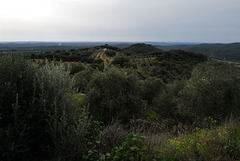
Évoramonte, looking far away...
Lemon caviar tree blooming
| |
|
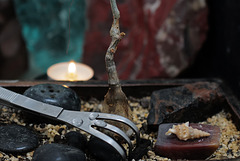
#02- A tool, 5 Elements for TSC
| |
|
|
|
For TSC527, "The five elements (earth, wood, fire, water, metal) refer to a Chinese philosophy that says that the five elements constitute everything in our universe."
I tried to show the 5 in a bonsaï plate...
For the Scavenger hunt, SHC2, a tool.
My last contribution !
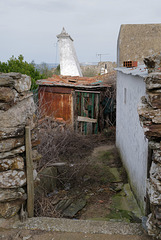
Évoramonte, Abandonos
| |
|
|
|
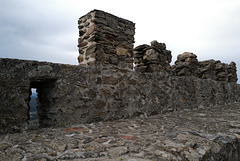
Évoramonte, Castle ramparts
| |
|
|
|
...AND A GREAT VIEW BEHIND...
The Castle of Evoramonte, alternately spelled Évora Monte or Évoramonte, (Portuguese: Castelo de Évora Monte/Castelo de Evoramonte) is a Portuguese castle in the civil parish of Evoramonte, municipality of Estremoz in the former district of Évora. Initiated in 1160, in the Gothic period, it was enlarged in later centuries in the Manueline style. It was at this site that the Concession of Evoramonte (or the Convention of Evoramonte) on was signed on 26 May 1834, that ended Liberal Wars between the Liberal forces of Queen Maria II of Portugal (under the regency of her father Peter VI of Portugal) and Absolutist armies of Miguel of Portugal.[1] Since 1910, it has been listed as a Portuguese National monument.
en.wikipedia.org/wiki/Castle_of_Evoramonte
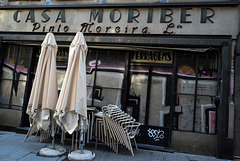
Porto, Over and out, no HBMs
| |
|
|
|
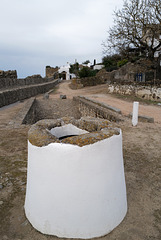
Évoramonte, The well and perspective
| |
|
|
|
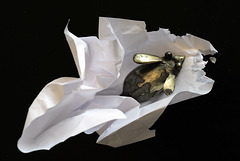
Starving escapist for The Sunday Challenge
| |
|
|
|
FROM THE SCULPTOR FRANÇOIS MELIN
www.leparisien.fr/essonne-91/villabe-francois-melin-le-sculpteur-du-requin-est-decede-05-08-2019-8129106.php
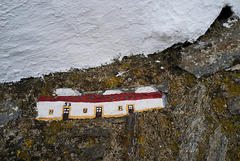
Évoramonte, Painted stones
| |
|
|
|
WALKING ON EVORAMONTE STREETS YOU WILL NOTICE PAINTED STONES ON PAVEMENT. THIS IS DONE BY A LOCAL ARTIST WHO EXPRESSES HER LOVE FOR HER VILLAGE DOING SO, AND IS ALSO PLEASED TO PLEASE VISITORS.
PIPS ABOVE
