


Tasmania

Folder: Australasia
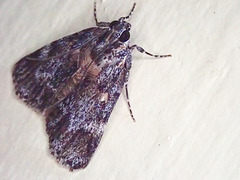
Moth on Bruny Island
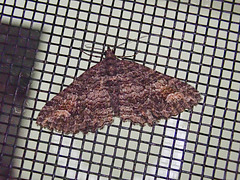
Moth on Bruny Island
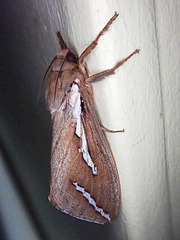
Giant Swift Moth
| |
|
This came to our lights outside our shack every night on Bruny Island. It has a wingspan of about 12cm
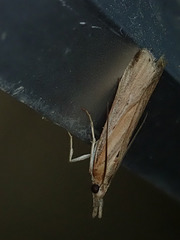
Pyralid Moth
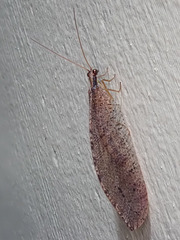
Giant Lacewing Fly
| |
|
Attracted to the outside light at our Shack near Allonah. It belongs to a family of lacewings called Osmylidae.
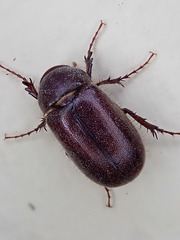
Chafer Beetle
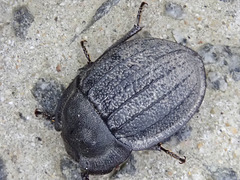
Darkling Beetle
| |
|
Attracted to the outside light at our Shack near Allonah.It belongs to the family Tenebrionidae
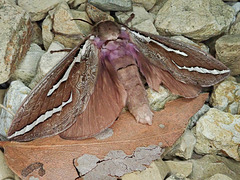
Giant Swift Moth
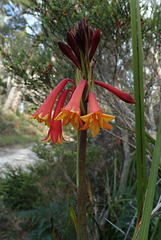
Tasmanian Christmas Bells
| |
|
Blandfordia punicea, photographed on the Labillardiere Peninsular on South Brunt Island. It is in the Lily family.
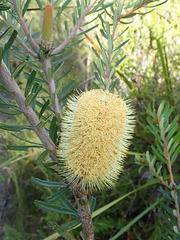
Banksia flower
| |
|
I think this may be Banksia marginata. It was on Bruny Island, on the Labillardiere Peninsular. These flowers produce seeds that germinate after exposure to fire.
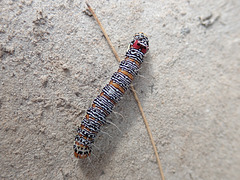
Australian Grapevine Moth caterpillar
| |
|
We found this caterpillar walking along a sandy path on the Labillardiere Peninsular on Bruny Island. It feeds on a range of plants and apparently is often found in gardens.
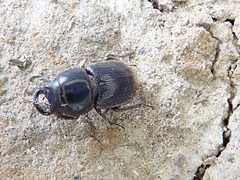
Wood-boring beetle
| |
|
It is a species in the Stag-beetle family, Lucanidae, probably a species of Lissotes. Their larvae live in dead wood. This was photographed on the Labillardiere Peninsular on Bruny Island.
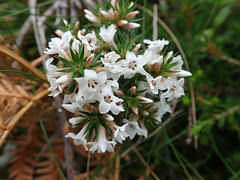
Woolly-style Heath
| |
|
It looks like Epacris lanuginosa and was growing on the Labillardiere Peninsular on Bruny Island.
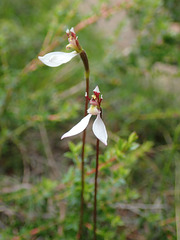
Parson's Bands Orchid aka Bunny Orchid
| |
|
Photographed on the Labillardiere Peninsular. Its scientific name is Eriochilus cucculatus.
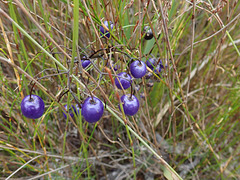
Tasmanian Flax-lily
| |
|
These are the beautiful, blue berries of the Tasmanian Flax-lily, Daniella tasmanica, photographed on the Labillardiere Peninsular on Bruny Island.
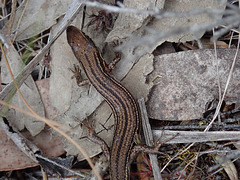
Eastern 3-lined Skink
| |
|
Seen in a sunny spot onthe woodland floor on the Labillardiere Peninsular on South Bruny Island, Tasmania
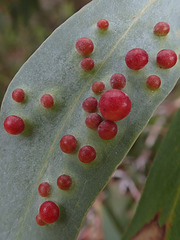
Galls on a Eucalyptus leaf
| |
|
I have no idea what cased these, but based on experience in Europe I would guess either gall sawflies or gall mites - most likely the latter.
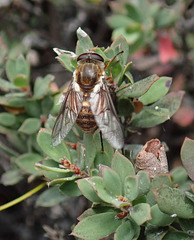
Horsefly (Tabanidae)
| |
|
This fly bites to feed on blood. The gap between its eyes means it is a female - only the females feed on blood.
Jump to top
RSS feed- Latest items - Subscribe to the latest items added to this album
- ipernity © 2007-2026
- Help & Contact
|
Club news
|
About ipernity
|
History |
ipernity Club & Prices |
Guide of good conduct
Donate | Group guidelines | Privacy policy | Terms of use | Statutes | In memoria -
Facebook
X
