

Mmm smell the coffee
Tea With Nancy
Nicosia - Cypriot coffee
BtC[26] - Bella and friend [HTT]
Pandemic chalk: Shizulla birthday
Espressotasse
Merthyr
Tokyo, Suwa no Chaya Teahouse in the Garden of the…
Teekanne
HBM
Old coffee shop
Coffee & cigarette
15h, fin de service.. ou presque!
Instant café / Instant coffee [EXPLORER]
Scène de la vie ordinaire [EXPLORER]
HFF [EXPLORER]
Rome 2026 – Coffee yoghurt
Franciscan Ware Dishes Ad, 1956
Pream Coffee Creamer Ad, 1956
Andrew Geller Shoe Ad, 1946
Way of Tea 茶道
Teehaus im chinesischen Garten
CAFE GOURMAND
Nouvelle cafetière
café 1
the best beans
Coffee picking
café 2
KR600553©IngoKrehl
Coffee shop
Culture du thé à la Réunion. (974) 20 mars 2024.
DSC3147 copy
DSC2727 copy

See also...
Keywords
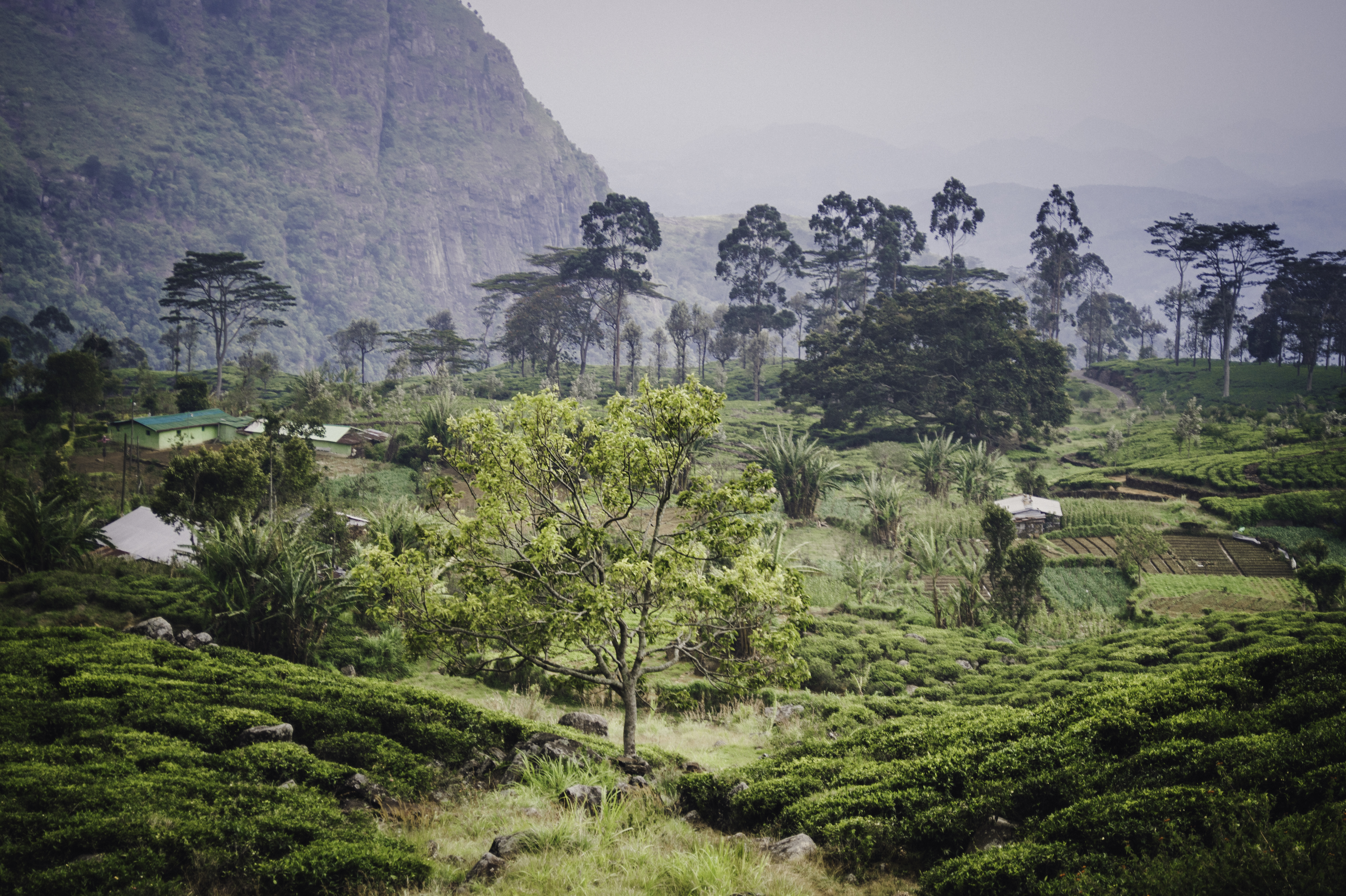
Tea shrubs in beautiful nature of Sri Lankan mountains
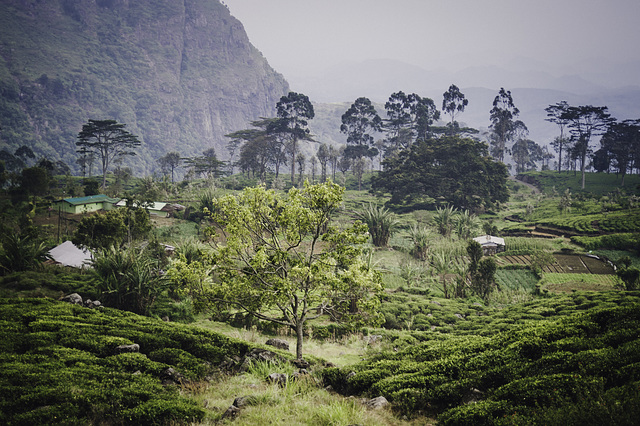

Probably the best-known of Sri Lanka’s tea-growing districts, Nuwara Eliya is also the most rugged and mountainous, with the highest average elevation. The air is cool and bracing; the winds are scented with eucalyptus and wild mint. Rainfall is moderate except during the dry season, which falls between February and April. Nights are cold and sometimes frosty. This unique climate, combined with the terrain peculiar to the region, produces a tea that is recognized by connoisseurs as among the finest – if not the finest – in the world.
Historically speaking, Nuwara Eliya is a relatively new place. The town from which the district takes its name sits perched on a plateau 1,868 m above sea level, under the shadow of Sri Lanka’s highest mountain, Pidurutalagala. Almost inaccessible in olden times due to the precipitous, jungle-clad terrain surrounding it, this scenic plateau was effectively uninhabited when it was discovered by an English explorer in 1818. Impressed by its magnificent scenery and climate, Sir Edward Barnes, the British governor of the time, resolved to turn the locale into the similar of Ceylon, a fashionable hill-station to which the government and society of the capital, Colombo, could repair during the hottest and unhealthiest months of the year. He accomplished this by the simple expedient of building a house there himself, and occupying it every year between March and April. ‘Newralia’ thus became, for a few weeks every year, the capital of colonial Ceylon.
www.pureceylontea.com/index.php/nuwara-eliya
Historically speaking, Nuwara Eliya is a relatively new place. The town from which the district takes its name sits perched on a plateau 1,868 m above sea level, under the shadow of Sri Lanka’s highest mountain, Pidurutalagala. Almost inaccessible in olden times due to the precipitous, jungle-clad terrain surrounding it, this scenic plateau was effectively uninhabited when it was discovered by an English explorer in 1818. Impressed by its magnificent scenery and climate, Sir Edward Barnes, the British governor of the time, resolved to turn the locale into the similar of Ceylon, a fashionable hill-station to which the government and society of the capital, Colombo, could repair during the hottest and unhealthiest months of the year. He accomplished this by the simple expedient of building a house there himself, and occupying it every year between March and April. ‘Newralia’ thus became, for a few weeks every year, the capital of colonial Ceylon.
www.pureceylontea.com/index.php/nuwara-eliya
Deborah Lundbech, Boarischa Krautmo, Günter Diel, Liliane LR and 14 other people have particularly liked this photo
- Keyboard shortcuts:
Jump to top
RSS feed- Latest comments - Subscribe to the comment feeds of this photo
- ipernity © 2007-2026
- Help & Contact
|
Club news
|
About ipernity
|
History |
ipernity Club & Prices |
Guide of good conduct
Donate | Group guidelines | Privacy policy | Terms of use | Statutes | In memoria -
Facebook
X

Sign-in to write a comment.