


Pablo Picasso

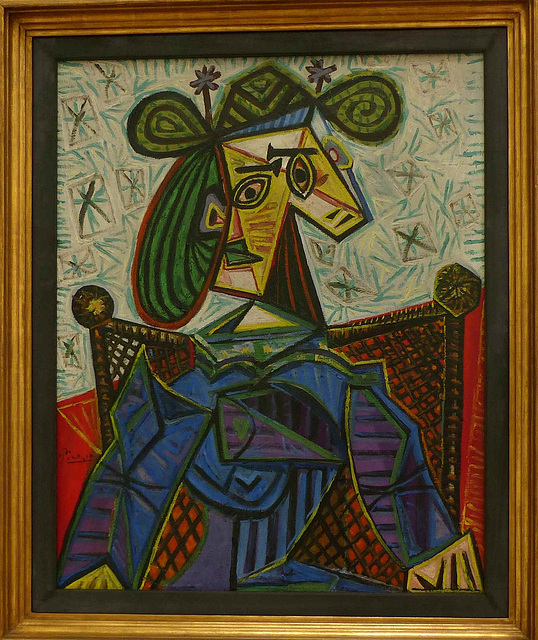

Düsseldorf - Kunstsammlung Nordrhein-Westfalen
Düsseldorf is located at the confluence of the rivers Düssel and Rhein. Most of Düsseldorf is on the right bank of the Rhine. It is the capital of North Rhine-Westphalia, has about 620,000 inhabitants and a large Japanese community and is the eternal rival of Cologne, about 40 km to the south. Both cities even prefer different types of beer. While "Kölsch" is drunk in Cologne, "Alt" is drunk in Düsseldorf.
The Kunstsammlung Nordrhein-Westfalen is the art collection of the German Federal State of North Rhine-Westphalia. The Kunstsammlung was founded in 1961 by the state government of North Rhine-Westphalia for the purpose of displaying the art collection and expanding it through new acquisitions.
Pablo Picasso (1881 - 1973)
Femme assise dans un fauteutil / Frau im Lehnstuhl / Woman sitting in an arm chair /
1941
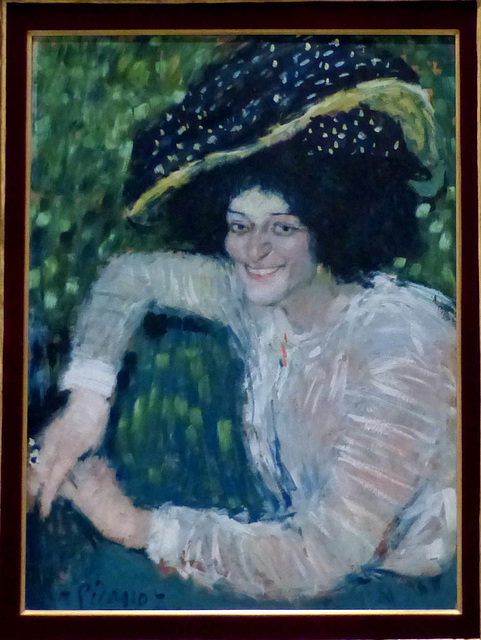
Madrid - Museo Reina Sofía
Madrid is the capital and most populous city of Spain. The city has almost 3.4 million inhabitants and a metropolitan area population of approximately 6.7 million. Madrid is part of the historical landscape of Castile and is located in the middle of the Meseta, the plateau of Castile.
The site of modern-day Madrid has been occupied since prehistoric times. The first document about the existence of an established settlement in Madrid dates from the Muslim age. In the second half of the 9th century Umayyad Emir Muhammad I built a fortress here. After the disintegration of the Caliphate of Córdoba in the early 11th century, Madrid was integrated into the Taifa of Toledo. In 1083, Madrid was conquered by the Kingdom of Castile. In 1309, under Fernando IV, the Assembly of Estates (Cortes) of the Kingdom of Castile was convened for the first time in Madrid.
In 1561, Philip II moved the royal court from Valladolid to Madrid. It became the de facto capital of Spain, which it remains to this day. In 1701 the War of the Spanish Succession broke out, which led to the Anglo-Portuguese occupation of the city in 1706. It ended in 1714 with the Bourbons taking over the Spanish throne. Today's royal palace was built under their rule. Particularly during the reign of Charles III, who is therefore popularly referred to as the “best mayor of Madrid”, the city's public infrastructure was modernized and numerous public buildings were built.
The building is located on the site of the first General Hospital of Madrid. Carlos III had founded the hospital, which first opened in 1788 but proved too small for the growing city. After numerous work interruptions, the “New Hospital” was inaugurated in 1805. Since then it has been rebuilt and expanded several times until it closed as a hospital in 1969. From 1980 onwards, extensive modern renovations and extensions were carried out on the old building. The museum's central building was once an 18th-century hospital. The building functioned as the Centro del Arte from 1986 until its founding as the Museo Nacional Centro de Arte Reina Sofía in 1988.
As a national museum, it collects and displays the art of Spanish artists or artists associated with Spain.
Pablo Picasso / 1881 - 1973 /
Bust of a Smiling Woman / 1901 /
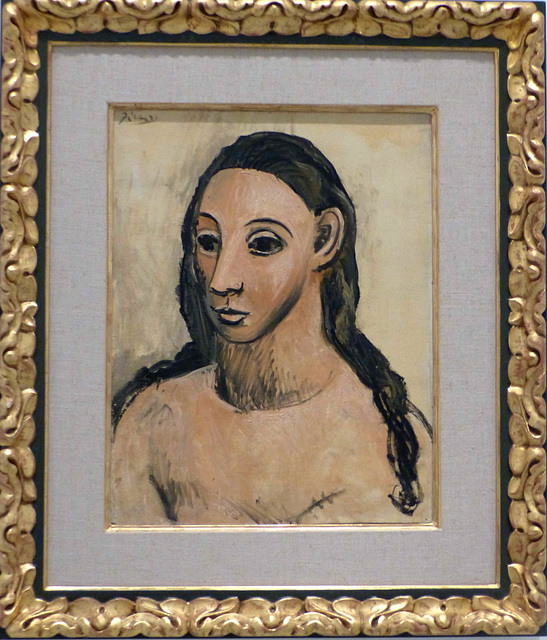
Madrid - Museo Reina Sofía
Madrid is the capital and most populous city of Spain. The city has almost 3.4 million inhabitants and a metropolitan area population of approximately 6.7 million. Madrid is part of the historical landscape of Castile and is located in the middle of the Meseta, the plateau of Castile.
The site of modern-day Madrid has been occupied since prehistoric times. The first document about the existence of an established settlement in Madrid dates from the Muslim age. In the second half of the 9th century Umayyad Emir Muhammad I built a fortress here. After the disintegration of the Caliphate of Córdoba in the early 11th century, Madrid was integrated into the Taifa of Toledo. In 1083, Madrid was conquered by the Kingdom of Castile. In 1309, under Fernando IV, the Assembly of Estates (Cortes) of the Kingdom of Castile was convened for the first time in Madrid.
In 1561, Philip II moved the royal court from Valladolid to Madrid. It became the de facto capital of Spain, which it remains to this day. In 1701 the War of the Spanish Succession broke out, which led to the Anglo-Portuguese occupation of the city in 1706. It ended in 1714 with the Bourbons taking over the Spanish throne. Today's royal palace was built under their rule. Particularly during the reign of Charles III, who is therefore popularly referred to as the “best mayor of Madrid”, the city's public infrastructure was modernized and numerous public buildings were built.
The building is located on the site of the first General Hospital of Madrid. Carlos III had founded the hospital, which first opened in 1788 but proved too small for the growing city. After numerous work interruptions, the “New Hospital” was inaugurated in 1805. Since then it has been rebuilt and expanded several times until it closed as a hospital in 1969. From 1980 onwards, extensive modern renovations and extensions were carried out on the old building. The museum's central building was once an 18th-century hospital. The building functioned as the Centro del Arte from 1986 until its founding as the Museo Nacional Centro de Arte Reina Sofía in 1988.
As a national museum, it collects and displays the art of Spanish artists or artists associated with Spain.
Pablo Picasso / 1881 - 1973 /
Bust of a Young Woman / 1906 /
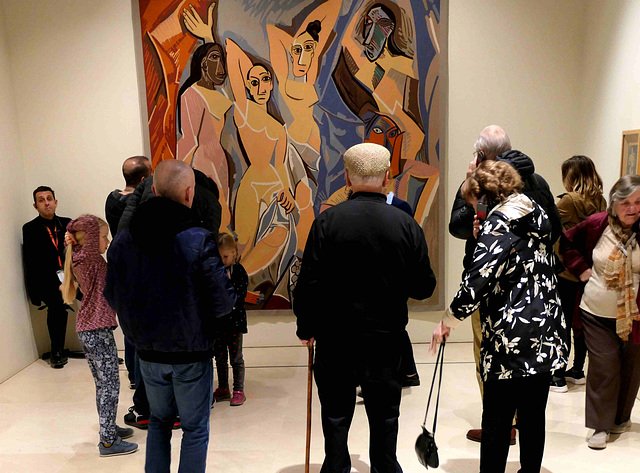
Málaga - Museo Picasso Málaga
Pablo Picasso was born in Málaga on 25 October 1881.
The Museo Picasso Málaga was opened in 2003 in the Buenavista Palace and houses 285 works donated by members of Picasso's family. As Pablo Picasso had a significant influence on the art of the 20th century, this museum not only houses his works, but also many works by artists who would probably not have been created without Picasso.

Málaga - Museo Picasso Málaga
Pablo Picasso was born in Málaga on 25 October 1881.
The Museo Picasso Málaga was opened in 2003 in the Buenavista Palace and houses 285 works donated by members of Picasso's family. As Pablo Picasso had a significant influence on the art of the 20th century, this museum not only houses his works, but also many works by artists who would probably not have been created without Picasso.
Pablo Picasso / 1881 - 1973
Bust of a Man with a Hat / 1963
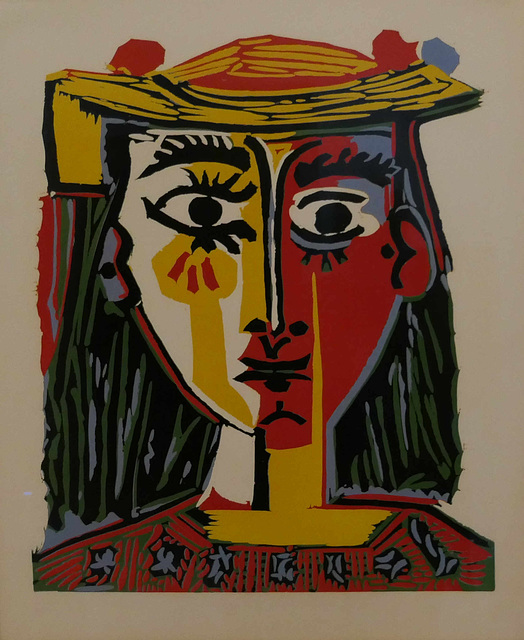
Málaga - Museo Picasso Málaga
Pablo Picasso was born in Málaga on 25 October 1881.
The Museo Picasso Málaga was opened in 2003 in the Buenavista Palace and houses 285 works donated by members of Picasso's family. As Pablo Picasso had a significant influence on the art of the 20th century, this museum not only houses his works, but also many works by artists who would probably not have been created without Picasso.
Pablo Picasso / 1881 - 1973
Portait of a Woman with a Hat ... / 1962
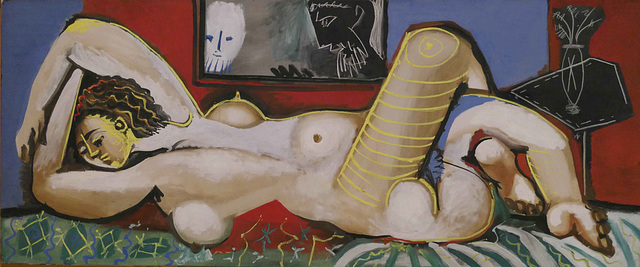
Málaga - Museo Picasso Málaga
Pablo Picasso was born in Málaga on 25 October 1881.
The Museo Picasso Málaga was opened in 2003 in the Buenavista Palace and houses 285 works donated by members of Picasso's family. As Pablo Picasso had a significant influence on the art of the 20th century, this museum not only houses his works, but also many works by artists who would probably not have been created without Picasso.
Pablo Picasso / 1881 - 1973
Susanna and the Elders / 1955
Málaga - Museo Picasso Málaga
Pablo Picasso was born in Málaga on 25 October 1881.
The Museo Picasso Málaga was opened in 2003 in the Buenavista Palace and houses 285 works donated by members of Picasso's family. As Pablo Picasso had a significant influence on the art of the 20th century, this museum not only houses his works, but also many works by artists who would probably not have been created without Picasso.
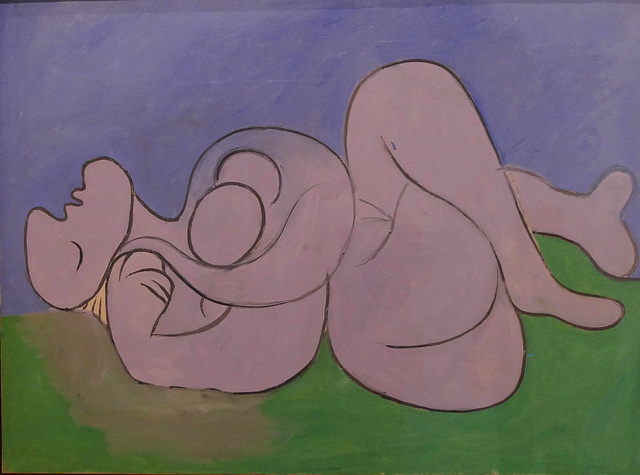
Pablo Picasso / 1881 - 1973
The Siesta / 1932

Liège - La Boverie
Liège is the center of the largest Walloon agglomeration, and the cultural center of the Walloon region of Belgium. The city, with a population of about 200.000, is located at the confluence of the Ourthe and Meuse rivers.
Around 705, Saint Lambert of Maastricht is credited with completing the Christianization of the region, but conversion may still not have been quite universal, since Lambert was murdered in Liège. To enshrine his relics, the successor, Hubertus (later St. Hubert), built a basilica which became the nucleus of the city.
In 1468, following an uprising of the inhabitants against Burgundian rule, xof Burgundy had the city plundered and systematically destroyed. The few survivors who had fled into the forests—Charles the Bold allegedly had more than 5,000 inhabitants murdered—were only able to return to the city for reconstruction after seven years.
In 1789, partly in connection with the French Revolution, the Liège Revolution occurred. It was directed against the absolutist rule of the Prince-Bishop and was crushed in early 1791 by troops commissioned by the Holy Roman Empire. In 1795, Liège was occupied by French troops and became part of the First French Republic. The Congress of Vienna annexed it to the Kingdom of the Netherlands, which in 1830 became the Kingdom of Belgium, to which Liège has belonged ever since.
Originally built for the 1905 Liège World Exhibition, the building has housed the collections of the Musée des beaux-arts de Liège since 2016. The collections of the Musée des beaux-arts de Liège include more than 700 paintings and sculptures, as well as more than 40,000 works on paper.
Pablo Picasso (1881 - 1973)
La famille Soller / The Soller family
1903
Jump to top
RSS feed- Latest items - Subscribe to the latest items added to this album
- ipernity © 2007-2026
- Help & Contact
|
Club news
|
About ipernity
|
History |
ipernity Club & Prices |
Guide of good conduct
Donate | Group guidelines | Privacy policy | Terms of use | Statutes | In memoria -
Facebook
X
