

Martin M. Miles' photos

Nicosia - Cyprus Museum
| |
|
|
Nicosia (aka Lefkosia) is the capital of Cyprus. Its northern part is the de facto capital of Northern Cyprus. Nicosia has been continuously inhabited for over 5,500 years.
In 1960, Nicosia became the capital of the Republic of Cyprus, a state established by the Greek and Turkish Cypriots. In 1974, there was a coup d'état led by the Greek military junta to unite the island with Greece. The coup ousted president Makarios III and precipitated the invasion of the island by the Turkish army. The Turkish army advanced their positions, eventually capturing 37% of Cypriot territory including the northern part of Nicosia.
Today, Nicosia is divided by the Green Line into a Greek Cypriot and a Turkish Cypriot quarter, which is monitored by the United Nations Peacekeeping Force.
There are more than a dozen archeological museum ons Caprus, but the Cyprus Museum is the oldest and largest archaeological museum in Cyprus.
The museum was founded in 1882 to preserve the country’s ancient art treasures. The background to this was that Cyprus was, at that time, being systematically plundered of its archaeological treasures. The American ambassador, Luigi Palma di Cesnola, alone had acquired 35,000 artefacts for the Metropolitan Museum of Art in New York, whilst his brother, Alessandro Palma di Cesnola, stood trial for art theft. A law passed in 1905 to protect archaeological remains enabled the museum to safeguard artefacts and sites more effectively. In 1908, the museum moved to its current building and in 1961, an extension was added to the building.
Bronze statue of
Septimius Severus
The statue is larger than life (2,07m) and portrays the Emperor in "heroic nudity". It was accidentally discovered (in pieces) ploughing his field near the village of Kythrea.
Cyprus was a Roman provice from 58BC to 330 AD

Nicosia - Cyprus Museum
| |
|
|
Nicosia (aka Lefkosia) is the capital of Cyprus. Its northern part is the de facto capital of Northern Cyprus. Nicosia has been continuously inhabited for over 5,500 years.
In 1960, Nicosia became the capital of the Republic of Cyprus, a state established by the Greek and Turkish Cypriots. In 1974, there was a coup d'état led by the Greek military junta to unite the island with Greece. The coup ousted president Makarios III and precipitated the invasion of the island by the Turkish army. The Turkish army advanced their positions, eventually capturing 37% of Cypriot territory including the northern part of Nicosia.
Today, Nicosia is divided by the Green Line into a Greek Cypriot and a Turkish Cypriot quarter, which is monitored by the United Nations Peacekeeping Force.
There are more than a dozen archeological museum ons Caprus, but the Cyprus Museum is the oldest and largest archaeological museum in Cyprus.
The museum was founded in 1882 to preserve the country’s ancient art treasures. The background to this was that Cyprus was, at that time, being systematically plundered of its archaeological treasures. The American ambassador, Luigi Palma di Cesnola, alone had acquired 35,000 artefacts for the Metropolitan Museum of Art in New York, whilst his brother, Alessandro Palma di Cesnola, stood trial for art theft. A law passed in 1905 to protect archaeological remains enabled the museum to safeguard artefacts and sites more effectively. In 1908, the museum moved to its current building and in 1961, an extension was added to the building.
Marble statue of
Aphrodite Anadyomene
(Aphrodite rising from the Sea)
Roman period, 1rd c BC
Nicosia - Cyprus Museum
| |
|
|
Nicosia (aka Lefkosia) is the capital of Cyprus. Its northern part is the de facto capital of Northern Cyprus. Nicosia has been continuously inhabited for over 5,500 years.
In 1960, Nicosia became the capital of the Republic of Cyprus, a state established by the Greek and Turkish Cypriots. In 1974, there was a coup d'état led by the Greek military junta to unite the island with Greece. The coup ousted president Makarios III and precipitated the invasion of the island by the Turkish army. The Turkish army advanced their positions, eventually capturing 37% of Cypriot territory including the northern part of Nicosia.
Today, Nicosia is divided by the Green Line into a Greek Cypriot and a Turkish Cypriot quarter, which is monitored by the United Nations Peacekeeping Force.
There are more than a dozen archeological museum ons Caprus, but the Cyprus Museum is the oldest and largest archaeological museum in Cyprus.
The museum was founded in 1882 to preserve the country’s ancient art treasures. The background to this was that Cyprus was, at that time, being systematically plundered of its archaeological treasures. The American ambassador, Luigi Palma di Cesnola, alone had acquired 35,000 artefacts for the Metropolitan Museum of Art in New York, whilst his brother, Alessandro Palma di Cesnola, stood trial for art theft. A law passed in 1905 to protect archaeological remains enabled the museum to safeguard artefacts and sites more effectively. In 1908, the museum moved to its current building and in 1961, an extension was added to the building.
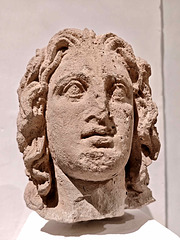
Limestone head of
Alexander the Great
Hellenistic period, 2nd c BC

Nicosia - Cyprus Museum
| |
|
|
Nicosia (aka Lefkosia) is the capital of Cyprus. Its northern part is the de facto capital of Northern Cyprus. Nicosia has been continuously inhabited for over 5,500 years.
In 1960, Nicosia became the capital of the Republic of Cyprus, a state established by the Greek and Turkish Cypriots. In 1974, there was a coup d'état led by the Greek military junta to unite the island with Greece. The coup ousted president Makarios III and precipitated the invasion of the island by the Turkish army. The Turkish army advanced their positions, eventually capturing 37% of Cypriot territory including the northern part of Nicosia.
Today, Nicosia is divided by the Green Line into a Greek Cypriot and a Turkish Cypriot quarter, which is monitored by the United Nations Peacekeeping Force.
There are more than a dozen archeological museum ons Caprus, but the Cyprus Museum is the oldest and largest archaeological museum in Cyprus.
The museum was founded in 1882 to preserve the country’s ancient art treasures. The background to this was that Cyprus was, at that time, being systematically plundered of its archaeological treasures. The American ambassador, Luigi Palma di Cesnola, alone had acquired 35,000 artefacts for the Metropolitan Museum of Art in New York, whilst his brother, Alessandro Palma di Cesnola, stood trial for art theft. A law passed in 1905 to protect archaeological remains enabled the museum to safeguard artefacts and sites more effectively. In 1908, the museum moved to its current building and in 1961, an extension was added to the building.
Marble Head of Ptolemaic queen
Arsinoe II
Hellenistic period, 3rd c BC

Nicosia - Cyprus Museum
| |
|
|
Nicosia (aka Lefkosia) is the capital of Cyprus. Its northern part is the de facto capital of Northern Cyprus. Nicosia has been continuously inhabited for over 5,500 years.
In 1960, Nicosia became the capital of the Republic of Cyprus, a state established by the Greek and Turkish Cypriots. In 1974, there was a coup d'état led by the Greek military junta to unite the island with Greece. The coup ousted president Makarios III and precipitated the invasion of the island by the Turkish army. The Turkish army advanced their positions, eventually capturing 37% of Cypriot territory including the northern part of Nicosia.
Today, Nicosia is divided by the Green Line into a Greek Cypriot and a Turkish Cypriot quarter, which is monitored by the United Nations Peacekeeping Force.
There are more than a dozen archeological museum ons Caprus, but the Cyprus Museum is the oldest and largest archaeological museum in Cyprus.
The museum was founded in 1882 to preserve the country’s ancient art treasures. The background to this was that Cyprus was, at that time, being systematically plundered of its archaeological treasures. The American ambassador, Luigi Palma di Cesnola, alone had acquired 35,000 artefacts for the Metropolitan Museum of Art in New York, whilst his brother, Alessandro Palma di Cesnola, stood trial for art theft. A law passed in 1905 to protect archaeological remains enabled the museum to safeguard artefacts and sites more effectively. In 1908, the museum moved to its current building and in 1961, an extension was added to the building.
Limestone head of a young man
hellenistic period, 2nd c BC

Nicosia - Cyprus Museum
| |
|
|
Nicosia (aka Lefkosia) is the capital of Cyprus. Its northern part is the de facto capital of Northern Cyprus. Nicosia has been continuously inhabited for over 5,500 years.
In 1960, Nicosia became the capital of the Republic of Cyprus, a state established by the Greek and Turkish Cypriots. In 1974, there was a coup d'état led by the Greek military junta to unite the island with Greece. The coup ousted president Makarios III and precipitated the invasion of the island by the Turkish army. The Turkish army advanced their positions, eventually capturing 37% of Cypriot territory including the northern part of Nicosia.
Today, Nicosia is divided by the Green Line into a Greek Cypriot and a Turkish Cypriot quarter, which is monitored by the United Nations Peacekeeping Force.
There are more than a dozen archeological museum ons Caprus, but the Cyprus Museum is the oldest and largest archaeological museum in Cyprus.
The museum was founded in 1882 to preserve the country’s ancient art treasures. The background to this was that Cyprus was, at that time, being systematically plundered of its archaeological treasures. The American ambassador, Luigi Palma di Cesnola, alone had acquired 35,000 artefacts for the Metropolitan Museum of Art in New York, whilst his brother, Alessandro Palma di Cesnola, stood trial for art theft. A law passed in 1905 to protect archaeological remains enabled the museum to safeguard artefacts and sites more effectively. In 1908, the museum moved to its current building and in 1961, an extension was added to the building.
Limestone head wearing a wreath
Archaic period 6th c BC
Nicosia - Cyprus Museum
| |
|
|
Nicosia (aka Lefkosia) is the capital of Cyprus. Its northern part is the de facto capital of Northern Cyprus. Nicosia has been continuously inhabited for over 5,500 years.
In 1960, Nicosia became the capital of the Republic of Cyprus, a state established by the Greek and Turkish Cypriots. In 1974, there was a coup d'état led by the Greek military junta to unite the island with Greece. The coup ousted president Makarios III and precipitated the invasion of the island by the Turkish army. The Turkish army advanced their positions, eventually capturing 37% of Cypriot territory including the northern part of Nicosia.
Today, Nicosia is divided by the Green Line into a Greek Cypriot and a Turkish Cypriot quarter, which is monitored by the United Nations Peacekeeping Force.
There are more than a dozen archeological museum ons Caprus, but the Cyprus Museum is the oldest and largest archaeological museum in Cyprus.
The museum was founded in 1882 to preserve the country’s ancient art treasures. The background to this was that Cyprus was, at that time, being systematically plundered of its archaeological treasures. The American ambassador, Luigi Palma di Cesnola, alone had acquired 35,000 artefacts for the Metropolitan Museum of Art in New York, whilst his brother, Alessandro Palma di Cesnola, stood trial for art theft. A law passed in 1905 to protect archaeological remains enabled the museum to safeguard artefacts and sites more effectively. In 1908, the museum moved to its current building and in 1961, an extension was added to the building.
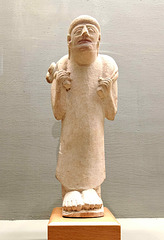
Limestone statue of a
Ram bearer
Archaic period 6th c BC

Nicosia - Cyprus Museum
| |
|
|
Nicosia (aka Lefkosia) is the capital of Cyprus. Its northern part is the de facto capital of Northern Cyprus. Nicosia has been continuously inhabited for over 5,500 years.
In 1960, Nicosia became the capital of the Republic of Cyprus, a state established by the Greek and Turkish Cypriots. In 1974, there was a coup d'état led by the Greek military junta to unite the island with Greece. The coup ousted president Makarios III and precipitated the invasion of the island by the Turkish army. The Turkish army advanced their positions, eventually capturing 37% of Cypriot territory including the northern part of Nicosia.
Today, Nicosia is divided by the Green Line into a Greek Cypriot and a Turkish Cypriot quarter, which is monitored by the United Nations Peacekeeping Force.
There are more than a dozen archeological museum ons Caprus, but the Cyprus Museum is the oldest and largest archaeological museum in Cyprus.
The museum was founded in 1882 to preserve the country’s ancient art treasures. The background to this was that Cyprus was, at that time, being systematically plundered of its archaeological treasures. The American ambassador, Luigi Palma di Cesnola, alone had acquired 35,000 artefacts for the Metropolitan Museum of Art in New York, whilst his brother, Alessandro Palma di Cesnola, stood trial for art theft. A law passed in 1905 to protect archaeological remains enabled the museum to safeguard artefacts and sites more effectively. In 1908, the museum moved to its current building and in 1961, an extension was added to the building.
Limestone head of (probably)
Apollo
Potamia-Ellines (Sanctuary of Apollo), classical period, end of 5th c BC

Nicosia - Cyprus Museum
| |
|
|
|
Nicosia (aka Lefkosia) is the capital of Cyprus. Its northern part is the de facto capital of Northern Cyprus. Nicosia has been continuously inhabited for over 5,500 years.
In 1960, Nicosia became the capital of the Republic of Cyprus, a state established by the Greek and Turkish Cypriots. In 1974, there was a coup d'état led by the Greek military junta to unite the island with Greece. The coup ousted president Makarios III and precipitated the invasion of the island by the Turkish army. The Turkish army advanced their positions, eventually capturing 37% of Cypriot territory including the northern part of Nicosia.
Today, Nicosia is divided by the Green Line into a Greek Cypriot and a Turkish Cypriot quarter, which is monitored by the United Nations Peacekeeping Force.
There are more than a dozen archeological museum ons Caprus, but the Cyprus Museum is the oldest and largest archaeological museum in Cyprus.
The museum was founded in 1882 to preserve the country’s ancient art treasures. The background to this was that Cyprus was, at that time, being systematically plundered of its archaeological treasures. The American ambassador, Luigi Palma di Cesnola, alone had acquired 35,000 artefacts for the Metropolitan Museum of Art in New York, whilst his brother, Alessandro Palma di Cesnola, stood trial for art theft. A law passed in 1905 to protect archaeological remains enabled the museum to safeguard artefacts and sites more effectively. In 1908, the museum moved to its current building and in 1961, an extension was added to the building.
Limestone statue of a
Ram bearer
Archaic period 6th c BC

Nicosia - Cyprus Museum
| |
|
|
Nicosia (aka Lefkosia) is the capital of Cyprus. Its northern part is the de facto capital of Northern Cyprus. Nicosia has been continuously inhabited for over 5,500 years.
In 1960, Nicosia became the capital of the Republic of Cyprus, a state established by the Greek and Turkish Cypriots. In 1974, there was a coup d'état led by the Greek military junta to unite the island with Greece. The coup ousted president Makarios III and precipitated the invasion of the island by the Turkish army. The Turkish army advanced their positions, eventually capturing 37% of Cypriot territory including the northern part of Nicosia.
Today, Nicosia is divided by the Green Line into a Greek Cypriot and a Turkish Cypriot quarter, which is monitored by the United Nations Peacekeeping Force.
There are more than a dozen archeological museum ons Caprus, but the Cyprus Museum is the oldest and largest archaeological museum in Cyprus.
The museum was founded in 1882 to preserve the country’s ancient art treasures. The background to this was that Cyprus was, at that time, being systematically plundered of its archaeological treasures. The American ambassador, Luigi Palma di Cesnola, alone had acquired 35,000 artefacts for the Metropolitan Museum of Art in New York, whilst his brother, Alessandro Palma di Cesnola, stood trial for art theft. A law passed in 1905 to protect archaeological remains enabled the museum to safeguard artefacts and sites more effectively. In 1908, the museum moved to its current building and in 1961, an extension was added to the building.
Limestone group
Lefkonikon, Archaic period 6th c BC

Nicosia - Cyprus Museum
| |
|
|
|
Nicosia (aka Lefkosia) is the capital of Cyprus. Its northern part is the de facto capital of Northern Cyprus. Nicosia has been continuously inhabited for over 5,500 years.
In 1960, Nicosia became the capital of the Republic of Cyprus, a state established by the Greek and Turkish Cypriots. In 1974, there was a coup d'état led by the Greek military junta to unite the island with Greece. The coup ousted president Makarios III and precipitated the invasion of the island by the Turkish army. The Turkish army advanced their positions, eventually capturing 37% of Cypriot territory including the northern part of Nicosia.
Today, Nicosia is divided by the Green Line into a Greek Cypriot and a Turkish Cypriot quarter, which is monitored by the United Nations Peacekeeping Force.
There are more than a dozen archeological museum ons Caprus, but the Cyprus Museum is the oldest and largest archaeological museum in Cyprus.
The museum was founded in 1882 to preserve the country’s ancient art treasures. The background to this was that Cyprus was, at that time, being systematically plundered of its archaeological treasures. The American ambassador, Luigi Palma di Cesnola, alone had acquired 35,000 artefacts for the Metropolitan Museum of Art in New York, whilst his brother, Alessandro Palma di Cesnola, stood trial for art theft. A law passed in 1905 to protect archaeological remains enabled the museum to safeguard artefacts and sites more effectively. In 1908, the museum moved to its current building and in 1961, an extension was added to the building.
Limestone heads wearing wreaths
Archaic period 5th - 6th c BC

Nicosia - Cyprus Museum
| |
|
|
Nicosia (aka Lefkosia) is the capital of Cyprus. Its northern part is the de facto capital of Northern Cyprus. Nicosia has been continuously inhabited for over 5,500 years.
In 1960, Nicosia became the capital of the Republic of Cyprus, a state established by the Greek and Turkish Cypriots. In 1974, there was a coup d'état led by the Greek military junta to unite the island with Greece. The coup ousted president Makarios III and precipitated the invasion of the island by the Turkish army. The Turkish army advanced their positions, eventually capturing 37% of Cypriot territory including the northern part of Nicosia.
Today, Nicosia is divided by the Green Line into a Greek Cypriot and a Turkish Cypriot quarter, which is monitored by the United Nations Peacekeeping Force.
There are more than a dozen archeological museum ons Caprus, but the Cyprus Museum is the oldest and largest archaeological museum in Cyprus.
The museum was founded in 1882 to preserve the country’s ancient art treasures. The background to this was that Cyprus was, at that time, being systematically plundered of its archaeological treasures. The American ambassador, Luigi Palma di Cesnola, alone had acquired 35,000 artefacts for the Metropolitan Museum of Art in New York, whilst his brother, Alessandro Palma di Cesnola, stood trial for art theft. A law passed in 1905 to protect archaeological remains enabled the museum to safeguard artefacts and sites more effectively. In 1908, the museum moved to its current building and in 1961, an extension was added to the building.
Limestone statue of
Zeus Keraunios (thunderer)
watched in the backdrop by a bearded greek god (?) with an "archaic smile".
Archaic period 5th - 6th c BC

Nicosia - Cyprus Museum
| |
|
|
Nicosia (aka Lefkosia) is the capital of Cyprus. Its northern part is the de facto capital of Northern Cyprus. Nicosia has been continuously inhabited for over 5,500 years.
In 1960, Nicosia became the capital of the Republic of Cyprus, a state established by the Greek and Turkish Cypriots. In 1974, there was a coup d'état led by the Greek military junta to unite the island with Greece. The coup ousted president Makarios III and precipitated the invasion of the island by the Turkish army. The Turkish army advanced their positions, eventually capturing 37% of Cypriot territory including the northern part of Nicosia.
Today, Nicosia is divided by the Green Line into a Greek Cypriot and a Turkish Cypriot quarter, which is monitored by the United Nations Peacekeeping Force.
There are more than a dozen archeological museum ons Caprus, but the Cyprus Museum is the oldest and largest archaeological museum in Cyprus.
The museum was founded in 1882 to preserve the country’s ancient art treasures. The background to this was that Cyprus was, at that time, being systematically plundered of its archaeological treasures. The American ambassador, Luigi Palma di Cesnola, alone had acquired 35,000 artefacts for the Metropolitan Museum of Art in New York, whilst his brother, Alessandro Palma di Cesnola, stood trial for art theft. A law passed in 1905 to protect archaeological remains enabled the museum to safeguard artefacts and sites more effectively. In 1908, the museum moved to its current building and in 1961, an extension was added to the building.
Life-size figure of a bearded man
Such statues were commonly placed in sanctuaries as votive offerings. They are often characterized by a rigid, upright posture and meticulously detailed hairstyles and beards, reflecting the influence of both Assyrian and Egyptian art on Cypriot sculpture.
Archaic period c 750–475 BC

Nicosia - Cyprus Museum
| |
|
|
Nicosia (aka Lefkosia) is the capital of Cyprus. Its northern part is the de facto capital of Northern Cyprus. Nicosia has been continuously inhabited for over 5,500 years.
In 1960, Nicosia became the capital of the Republic of Cyprus, a state established by the Greek and Turkish Cypriots. In 1974, there was a coup d'état led by the Greek military junta to unite the island with Greece. The coup ousted president Makarios III and precipitated the invasion of the island by the Turkish army. The Turkish army advanced their positions, eventually capturing 37% of Cypriot territory including the northern part of Nicosia.
Today, Nicosia is divided by the Green Line into a Greek Cypriot and a Turkish Cypriot quarter, which is monitored by the United Nations Peacekeeping Force.
There are more than a dozen archeological museum ons Caprus, but the Cyprus Museum is the oldest and largest archaeological museum in Cyprus.
The museum was founded in 1882 to preserve the country’s ancient art treasures. The background to this was that Cyprus was, at that time, being systematically plundered of its archaeological treasures. The American ambassador, Luigi Palma di Cesnola, alone had acquired 35,000 artefacts for the Metropolitan Museum of Art in New York, whilst his brother, Alessandro Palma di Cesnola, stood trial for art theft. A law passed in 1905 to protect archaeological remains enabled the museum to safeguard artefacts and sites more effectively. In 1908, the museum moved to its current building and in 1961, an extension was added to the building.
Votive Heads
They have "Assyrian-style" beards, what demonstrates the fusion of local Cypriot traditions with Near Eastern influences.
600 to 500 BC

Nicosia - Cyprus Museum
| |
|
|
Nicosia (aka Lefkosia) is the capital of Cyprus. Its northern part is the de facto capital of Northern Cyprus. Nicosia has been continuously inhabited for over 5,500 years.
In 1960, Nicosia became the capital of the Republic of Cyprus, a state established by the Greek and Turkish Cypriots. In 1974, there was a coup d'état led by the Greek military junta to unite the island with Greece. The coup ousted president Makarios III and precipitated the invasion of the island by the Turkish army. The Turkish army advanced their positions, eventually capturing 37% of Cypriot territory including the northern part of Nicosia.
Today, Nicosia is divided by the Green Line into a Greek Cypriot and a Turkish Cypriot quarter, which is monitored by the United Nations Peacekeeping Force.
There are more than a dozen archeological museum ons Caprus, but the Cyprus Museum is the oldest and largest archaeological museum in Cyprus.
The museum was founded in 1882 to preserve the country’s ancient art treasures. The background to this was that Cyprus was, at that time, being systematically plundered of its archaeological treasures. The American ambassador, Luigi Palma di Cesnola, alone had acquired 35,000 artefacts for the Metropolitan Museum of Art in New York, whilst his brother, Alessandro Palma di Cesnola, stood trial for art theft. A law passed in 1905 to protect archaeological remains enabled the museum to safeguard artefacts and sites more effectively. In 1908, the museum moved to its current building and in 1961, an extension was added to the building.
Attic black-figure
lekythos
It depicts a scene of Heracles fighting the Nemean Lion, one of his twelve labors.

Nicosia - Cyprus Museum
| |
|
|
Nicosia (aka Lefkosia) is the capital of Cyprus. Its northern part is the de facto capital of Northern Cyprus. Nicosia has been continuously inhabited for over 5,500 years.
In 1960, Nicosia became the capital of the Republic of Cyprus, a state established by the Greek and Turkish Cypriots. In 1974, there was a coup d'état led by the Greek military junta to unite the island with Greece. The coup ousted president Makarios III and precipitated the invasion of the island by the Turkish army. The Turkish army advanced their positions, eventually capturing 37% of Cypriot territory including the northern part of Nicosia.
Today, Nicosia is divided by the Green Line into a Greek Cypriot and a Turkish Cypriot quarter, which is monitored by the United Nations Peacekeeping Force.
There are more than a dozen archeological museum ons Caprus, but the Cyprus Museum is the oldest and largest archaeological museum in Cyprus.
The museum was founded in 1882 to preserve the country’s ancient art treasures. The background to this was that Cyprus was, at that time, being systematically plundered of its archaeological treasures. The American ambassador, Luigi Palma di Cesnola, alone had acquired 35,000 artefacts for the Metropolitan Museum of Art in New York, whilst his brother, Alessandro Palma di Cesnola, stood trial for art theft. A law passed in 1905 to protect archaeological remains enabled the museum to safeguard artefacts and sites more effectively. In 1908, the museum moved to its current building and in 1961, an extension was added to the building.
The
Sanctuary of Ayia Irini
is one of the most impressive discoveries of a Swedish expedition to Cyprus (1927–1931). Known for its numerous terracotta votive figures, Ayia Irini contains one of the richest collections of figurines and statuettes ever excavated in the ancient Mediterranean.
The figurines were found in situ, arranged around an altar, just as displayed here. A total of 2,000 figurines (only two of which are female) were recovered. The original use of the sanctuary is dated to 1200–1050 BC. It was used until the 6th century BC, when it was destroyed by a flood and consequently abandoned.
Details

Nicosia - Cyprus Museum
| |
|
|
Nicosia (aka Lefkosia) is the capital of Cyprus. Its northern part is the de facto capital of Northern Cyprus. Nicosia has been continuously inhabited for over 5,500 years.
In 1960, Nicosia became the capital of the Republic of Cyprus, a state established by the Greek and Turkish Cypriots. In 1974, there was a coup d'état led by the Greek military junta to unite the island with Greece. The coup ousted president Makarios III and precipitated the invasion of the island by the Turkish army. The Turkish army advanced their positions, eventually capturing 37% of Cypriot territory including the northern part of Nicosia.
Today, Nicosia is divided by the Green Line into a Greek Cypriot and a Turkish Cypriot quarter, which is monitored by the United Nations Peacekeeping Force.
There are more than a dozen archeological museum ons Caprus, but the Cyprus Museum is the oldest and largest archaeological museum in Cyprus.
The museum was founded in 1882 to preserve the country’s ancient art treasures. The background to this was that Cyprus was, at that time, being systematically plundered of its archaeological treasures. The American ambassador, Luigi Palma di Cesnola, alone had acquired 35,000 artefacts for the Metropolitan Museum of Art in New York, whilst his brother, Alessandro Palma di Cesnola, stood trial for art theft. A law passed in 1905 to protect archaeological remains enabled the museum to safeguard artefacts and sites more effectively. In 1908, the museum moved to its current building and in 1961, an extension was added to the building.
The
Sanctuary of Ayia Irini
is one of the most impressive discoveries of a Swedish expedition to Cyprus (1927–1931). Known for its numerous terracotta votive figures, Ayia Irini contains one of the richest collections of figurines and statuettes ever excavated in the ancient Mediterranean.
The figurines were found in situ, arranged around an altar, just as displayed here. A total of 2,000 figurines (only two of which are female) were recovered. The original use of the sanctuary is dated to 1200–1050 BC. It was used until the 6th century BC, when it was destroyed by a flood and consequently abandoned.
Details

Nicosia - Cyprus Museum
| |
|
|
Nicosia (aka Lefkosia) is the capital of Cyprus. Its northern part is the de facto capital of Northern Cyprus. Nicosia has been continuously inhabited for over 5,500 years.
In 1960, Nicosia became the capital of the Republic of Cyprus, a state established by the Greek and Turkish Cypriots. In 1974, there was a coup d'état led by the Greek military junta to unite the island with Greece. The coup ousted president Makarios III and precipitated the invasion of the island by the Turkish army. The Turkish army advanced their positions, eventually capturing 37% of Cypriot territory including the northern part of Nicosia.
Today, Nicosia is divided by the Green Line into a Greek Cypriot and a Turkish Cypriot quarter, which is monitored by the United Nations Peacekeeping Force.
There are more than a dozen archeological museum ons Caprus, but the Cyprus Museum is the oldest and largest archaeological museum in Cyprus.
The museum was founded in 1882 to preserve the country’s ancient art treasures. The background to this was that Cyprus was, at that time, being systematically plundered of its archaeological treasures. The American ambassador, Luigi Palma di Cesnola, alone had acquired 35,000 artefacts for the Metropolitan Museum of Art in New York, whilst his brother, Alessandro Palma di Cesnola, stood trial for art theft. A law passed in 1905 to protect archaeological remains enabled the museum to safeguard artefacts and sites more effectively. In 1908, the museum moved to its current building and in 1961, an extension was added to the building.
The
Sanctuary of Ayia Irini
is one of the most impressive discoveries of a Swedish expedition to Cyprus (1927–1931). Known for its numerous terracotta votive figures, Ayia Irini contains one of the richest collections of figurines and statuettes ever excavated in the ancient Mediterranean.
The figurines were found in situ, arranged around an altar, just as displayed here. A total of 2,000 figurines (only two of which are female) were recovered. The original use of the sanctuary is dated to 1200–1050 BC. It was used until the 6th century BC, when it was destroyed by a flood and consequently abandoned.
Details
