

Andrew Trundlewagon's photos
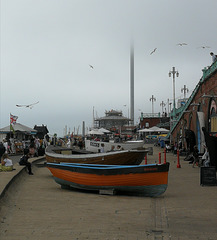
Brighton fishing museum IMG 20190817 201450
| |
|
|
Brighton Beach front, by the arches and outside the Fishing Museum, on a misty day.
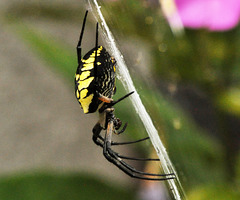
Home garden-argiope-aurantia-DSC 6847
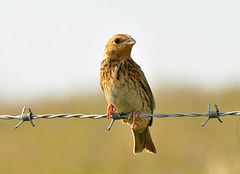
south downs corn buntingDSC 5163
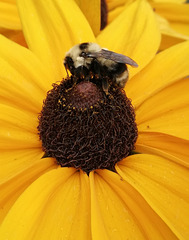
IMG 20190808 105338

natural hist museum nautilus shell carved sloane D…
| |
|
|
Carved Nautilus shell, Natural History Museum, London. Originally from the collection of Sir Hans Sloane, carved by Johannes Belkien, late 1600s. The coil follows the golden ratio (or Fibonacci spiral composed of successive quarter circles in boxes whose lengths decrease by a factor of 0.168), a natural fractal considered by the ancient Greeks to be a mathematical embodiment of perfection.
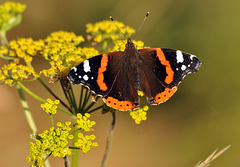
southwick hill red admiral DSC 5698
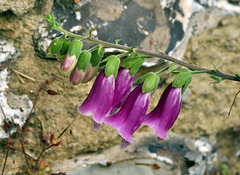
wall the Bostal Upper Beeding foxgloves 2019 DSC 5…
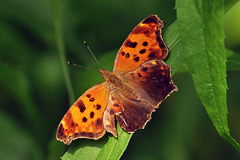
CSC 4932a
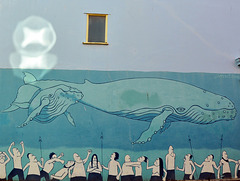
the whale in brighton
| |
|
|
|
The Whale, mother and calf with an angry crowd. At The Painting Pottery Cafe, Tichbourne street, Brighton, UK. (The bright lights are reflections, not whale thought bubbles).
CSC 3958
| |
|
|
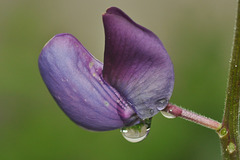
An individual lupin inflorescence. Most of the flowers had already fallen from the stem, but this solitary individualist hung on to the bitter end.
lupin whorl DSC 3762
Deer St Bruno June 2019
st bruno heron CSC 3666
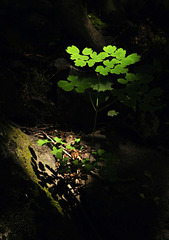
light on dark forest floor DSC 3553
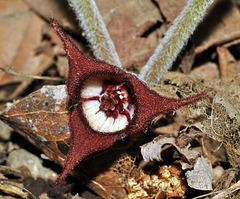
wild ginger st bruno june 1 2019 DSC 2896
| |
|
|
|
Wild ginger (asaret gingembre, asarum canadense). A bit of an oddity. There are only two leaves. The flower grows underneath them and lies hidden in the leaf litter. It is supposed to resemble decaying flesh which attracts flies to pollinate it. It has no relationship with true ginger, but the rhizomes are said to have a strong gingerish taste. (Parc St. Bruno, near Montreal)
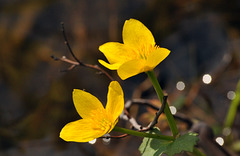
st bruno marsh marigold DSC 2809
| |
|
|
|
Flowers of marsh marigold (Populage des marais) growing by a lakeside, lac Moulin, St. Bruno, near Montreal.
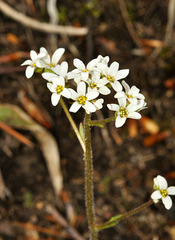
St Bruno virginia saxifrage DSC 2600
| |
|
|
|
The inconspicuous flowers of Micranthes virginiensis, the early saxifrage or the Virgina saxifrage. This is an early spring wildflower that grows on rocks. The stems are long and leafless. A small rosette of dark green leaves hugs the rock surface. (Parc St. Bruno, Quebec, near Montreal). It is thought that the long stems prevent the pollen being taken by beetles and favours productive pollination by bees and other flying insects.
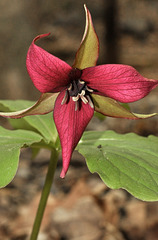
st bruno red trilliun
| |
|
|
|
Red trillium (Trille rouge, Trillium erectum) grows on the forest floor as a spring ephemeral before the leaves of the trees are fully open and block the light. The flowers are pollenated by flies and are said to smell of rotting meat, (for which reason they are sometimes called stinking Benjamins), although I have not noticed this. The outer coat of the seeds is very attractive to ants, which carry them to their nests, and in this way distribute the seeds through the forest. Unfortunately the plants are equally attractive to deer, and a recent explosion of deer numbers in the locality has diminished the numbers of trilliums that can be seen each spring.
