

THE DANCING PHILOSOPHER
Thelin
Laughing Buddha posture
Treeless
Wood-textire
An old door
Old
Cyprus -- trunk
Cyprus -- trunk ~ closeup
Under the Cyprus tree
Sisyphus
Survival
Grinding rocks
On the rocks
A fence
Phenomenology
Catching the warmth grapes on fence
Grapes on fence
Entangled
Plough a lonely furrow
Conception
Rocks and scrubble
Nostalgia
See also...
Keywords
Authorizations, license
-
Visible by: Everyone -
Attribution + non-Commercial
- Photo replaced on 20 Jul 2020
-
186 visits
Figs
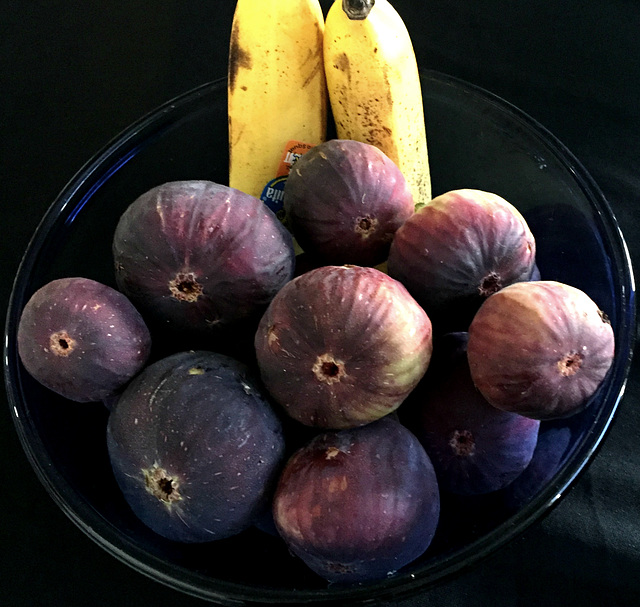

(Ficus carica), plant of the mulberry family (Moraceae) and its edible fruit. The common fig is indigenous to an area extending from Asiatic Turkey to northern India, but natural seedlings grow in most Mediterranean countries; it is cultivated in warm climates. In the Mediterranean region the fig is so widely used, both fresh and dried, that it is called “the poor man’s food.” The fruit contains significant amounts of calcium, potassium, phosphorus, and iron. ~ Encyclopedia Britannica
Thomas Lamp, Marco F. Delminho have particularly liked this photo
- Keyboard shortcuts:
Jump to top
RSS feed- Latest comments - Subscribe to the comment feeds of this photo
- ipernity © 2007-2026
- Help & Contact
|
Club news
|
About ipernity
|
History |
ipernity Club & Prices |
Guide of good conduct
Donate | Group guidelines | Privacy policy | Terms of use | Statutes | In memoria -
Facebook
X


Yes, you read right, technically speaking figs are not a fruit, but rather are inverted flowers. According to The Huffington Post, unlike the way apple and peach trees flower, the flowers from fig trees are actually found within the pear-shaped bloom they produce, and these flowers eventually turn into the fruit that we eat – we know, we couldn’t believe it either when we first found out!
www.1800flowers.com/blog/flower-facts/figs-fruits-or-flowers/#:~:text=But%2C%20despite%20what%20you%20may,but%20rather%20are%20inverted%20flowers.
Ficus seeds are not easy to find unless you live in a tropical area. Ficus houseplants normally do not produce fertile seeds. Most varieties must be fertilized by parasitic fig wasps. The tiny seeds are placed on moist sphagnum moss and kept moist until germination. Seed propagation is mainly used for new hybrid varieties. - SFGate
Sign-in to write a comment.