

Nora Caracci's photos
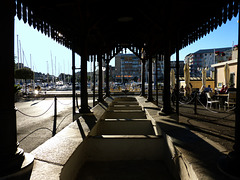
il vecchio lavatoio
| |
|
|
|
al porto antico di Savona c'erano tante vecchie case (ora molto ben ristrutturate, vedere foto allegata) e un'attiva vita di paese, c'era bisogno anche di un lavatoio.
Ora il vecchio quartiere è un tranquillo luogo meta di passeggiate e ricco di piccoli bar e ristoranti, il lavatoio è lì solo per bellezza.
PS: Le case di fronte sono costruzioni del dopoguerra, sostituiscono malamente vecchie case che furono bombardate...
Do not use any of my images on websites, blogs or other media without my explicit written permission.
All rights reserved - Copyright © Nora Caracci

A big mirror
| |
|
|
|
vecchie case al porto di Savona riflesse dal famoso e per alcuni famigerato cubo di vetro recentemente costruito.
Do not use any of my images on websites, blogs or other media without my explicit written permission.
All rights reserved - Copyright © Nora Caracci
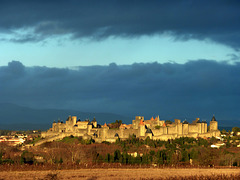
Carcassonne dopo un acquazzone
| |
|
|
|
Le prime tracce di insediamento nella regione di Carcassonne, sono state datate al 3500 a.C. Attorno all'800 a.C., la collina di Carsac divenne un importante luogo di scambi commerciali.
Carcassonne divenne strategicamente importante quando i Romani fortificarono la cima della collina attorno all'anno 100 a.C. e resero il centro capitale della colonia di Julia Carcaso, in seguito Carcasum. La parte principale delle mura settentrionali risale a quell'epoca.
Le fortificazioni furono via via rafforzate o distrutte nell'arco dei secoli e nell'800 la cittadella fortificata di Carcassonne era ormai in rovina; a tal punto che il governo francese considerò seriamente la sua demolizione. Un decreto in tal senso venne reso ufficiale nel 1849, ma causò un tumulto. Lo storico Jean-Pierre Cros-Mayrevielle e lo scrittore Prosper Mérimée, guidarono una campagna per preservare la fortezza come monumento storico. In seguito, nello stesso anno, l'architetto Eugène Emmanuel Viollet-le-Duc venne incaricato del rinnovamento del luogo.
Il restauro della città fortificata costituisce un caso di studio nell'ambito dei corsi di restauro; Viollet-le-Duc sintetizzo così il suo approccio ai lavori di restauro del castello: "Restaurare un edificio, non è solo mantenerlo, ripararlo, o ricostruirlo, è riportarlo ad una condizione completa che potrebbe non essere mai esistita".
Il pensiero del francese Le-Duc in materia di restauro era all'opposto di quello dell'inglese John Ruskin che negli stessi anni teorizzava un modello romantico di restauro conservativo che alterasse il meno possibile i monumenti e che doveva mostrare, e non nascondere, i segni del tempo. L'architetto francese si attenne rigorosamente ai suoi principi in occasione dei restauri del castello e l'edificio divenne così l'emblema stesso del restauro stilistico e fonte di accese critiche da parte degli architetti e restauratori favorevoli all'approccio conservativo, che lo accusavano di aver inventato di sana pianta parti del castello.
A me non dispiace affatto il risultato, e a voi ?
Do not use any of my images on websites, blogs or other media without my explicit written permission.
All rights reserved - Copyright © Nora Caracci
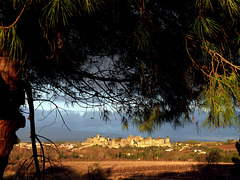
Framing Carcassonne
| |
|
|
|
The fortified city consists essentially of a concentric design with two outer walls with towers and barbicans to prevent attack by siege engines. The castle itself possesses its own drawbridge and ditch leading to a central keep. The walls consist of towers built over quite a long period. One section is Roman and is notably different from the medieval walls with the tell-tale red brick layers and the shallow pitch terracotta tile roofs. One of these towers housed the Catholic Inquisition in the 13th Century and is still known as "The Inquisition Tower".
Carcassonne was struck off the roster of official fortifications under Napoleon and the Restoration, and the fortified cité of Carcassonne fell into such disrepair that the French government decided that it should be demolished. A decree to that effect that was made official in 1849 caused an uproar. The antiquary and mayor of Carcassonne, Jean-Pierre Cros-Mayrevieille, and the writer Prosper Mérimée, the first inspector of ancient monuments, led a campaign to preserve the fortress as a historical monument. Later in the year the architect Eugène Viollet-le-Duc, already at work restoring the Basilica of Saint-Nazaire, was commissioned to renovate the place.
In 1853, works began with the west and southwest walling, followed by the towers of the porte Narbonnaise and the principal entrance to the cité. The fortifications were consolidated here and there, but the chief attention was paid to restoring the roofing of the towers and the ramparts, where Viollet-le-Duc ordered the destruction of structures that had encroached against the walls, some of them of considerable age. Viollet-le-Duc left copious notes and drawings on his death in 1879, when his pupil Paul Boeswillwald, and later the architect Nodet continued the rehabilitation of Carcassonne.
The restoration was strongly criticized during Viollet-le-Duc's lifetime. Fresh from work in the north of France, he made the error of using slates and restoring the roofs as point-free environment. Yet, overall, Viollet-le-Duc's achievement at Carcassonne is agreed to be a work of genius, though not of the strictest authenticity.
I like the result of the restoration, and you ?
Do not use any of my images on websites, blogs or other media without my explicit written permission.
All rights reserved - Copyright © Nora Caracci
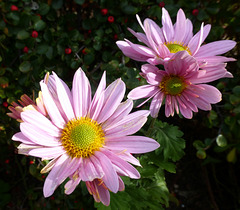
Xants
| |
|
|
|
Lo sapevate che ...
In tutto l'Oriente il Crisantemo è simbolo di felicità: in Cina è il fiore dei festeggiamenti e in Giappone è il fiore nuziale e nazionale.
Inoltre i fiori di crisantemo sono da sempre apprezzati dalla medicina cinese per le loro proprietà benefiche: contrastare l'influenza, purificare il fegato e gli occhi, riattivare l'energia vitale dell'organismo, fugare il calore in eccesso, disinfiammare e rimuovere le tossine sono solo alcune delle virtù di questo splendido fiore.
Do not use any of my images on websites, blogs or other media without my explicit written permission.
All rights reserved - Copyright © Nora Caracci
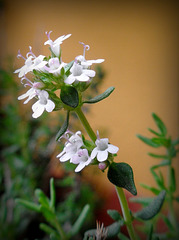
timo - thyme
| |
|
|
|
Il genere Thymus appartiene alla famiglia delle Labiateae e comprende circa 350 specie di piante tra le quali il timo comune (Thymus vulgaris) originario del Mediterraneo Occidentale.
Il Thymus vulgaris è molto diffuso sul territorio italiano, presente allo stato spontaneo o coltivato e, assieme al Thymus serpillum (noto come serpillo o timo cedrato), è il più utilizzato per le sue proprietà terapeutiche.
Altre specie di piante del timo sono il Thymus Herba Barona (che ricorda molto l'aroma del cumino) e il Thymus citriodorus, dal caratteristico profumo di limone.
Le virtù del timo sono legate alla presenza di un particolare fenolo: il timolo, potente antisettico, antispasmodico e vermifugo.
- Le sue proprietà antisettiche sono conosciute sin dall'antichità e nell'”Herbario novo”, un saggio rinascimentale sulle piante medicinali, il timo veniva consigliato, cotto nel vino, per combattere l'asma e le infezioni della vescica. Inoltre, fino al primo dopoguerra, la maggior parte dei disinfettanti più diffusi era a base di timo.
- Potente digestivo e carminativo, è efficace contro le infezioni alle vie urinarie e le infiammazioni dell'apparato respiratorio ed è un ottimo rimedio contro tosse, asma, bronchite e raffreddore per le sue proprietà balsamiche e fluidificanti.
Le caratteristiche aromatiche del timo sembrerebbero utili per contrastare il mal di testa.
- A livello topico è un buon disinfettante della pelle e stimola la circolazione sanguigna svolgendo un'energica azione defatigante sul viso.
Il timo è molto efficace anche nel trattamento dei capelli particolarmente grassi: aggiungere qualche goccia di olio essenziale di timo ad uno shampoo neutro può riportare alla normalità il livello di sebo sulla cute.
Do not use any of my images on websites, blogs or other media without my explicit written permission.
All rights reserved - Copyright © Nora Caracci
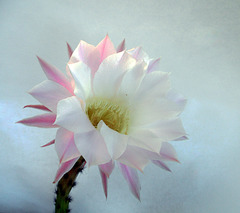
il fiore di un giorno
| |
|
|
|
Echinopsis Eyriesii
Come tutto il genere a cui appartiene, essa proviene dall'America meridionale; più precisamente il suo areale è rappresentato dalle pianure del Gran Chaco e delle "pampas" settentrionali (Argentina settentrionale, Bolivia, Brasile meridionale estremo, Uruguay, Paraguay).
Explored
Do not use any of my images on websites, blogs or other media without my explicit written permission.
All rights reserved - Copyright © Nora Caracci
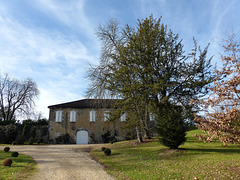
Domaine Caillaubert - famille Tariquet
| |
|
|
|
This is one of the sites of the Tariquet's vineyards.
The Domaine du Tariquet has a long history as an Armangac producer, likely back to 1683, the same year that some of the buildings also date.
But the Artaud/Grassa family only bought the estate in 1912, thus they already celebrated their 100th anniversary.
History: Pierre Grassa was born in France to Spanish parents from the Sierra de Guara, just the other side of the Pyrenees. He spent most of his youth outdoors, as a cowherd or manual labourer, and had little formal education; he became a hairdresser. But 1939 marked the end of Pierre’s career, as mobilization for World War II changed the course of his life. Taken prisoner of war with his battalion, captivity was unbearable for this restless character. He escaped and joined the Resistance in South West France, in Éauze to be precise--home to Tariquet, where he met Hélène Artaud.
They got married and together brought a new lease of life to Tariquet. The château and property need restoring to their former glory. Soon, thanks to Hélène and Pierre’s efforts, Tariquet’s vineyards are once again producing Bas-Armagnac brandies. They had four children, Maïté, Christiane, Françoise and Yves. Maïté and Yves choose to remain on the property and continue the family tradition.
In 1972 they created the first company with their father, boosting sales of Bas-Armagnac brandies produced at the property.
In 1982, they started producing white wines—only white wines are grown at Tariquet. A pioneering step for the region, as they became the first Gascon wine bottled at the estate. Previously it was only bulk wines in Gascony.
Yves’ sons, Armin and Rémy, are now winemakers themselves and run the estate. Yves now lives in Romania and grows wheat and corn.
Domaine du Tariquet today is the largest single family estate within one appellation in France. They have 950 hectares of planted vines.
Yves Grassa also made a number of innovations at the estate. He placed presses and tanks in each of his three vineyards, so a truck could move the must without losing freshness; dry ice is used during transport.
He also designed a machine harvester that has a destemmer attached. He invented this in order to avoid this operation at the winery, save time and so, to avoid oxidation.
He was also among the first in France to put a water treatment facility at his estate, so that water used in the winery could be reused.
Domaine du Tariquet’s wines are also imported to the U.S. A.
Do not use any of my images on websites, blogs or other media without my explicit written permission.
All rights reserved - Copyright © Nora Caracci
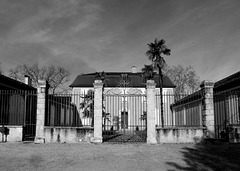
Tariquet - Domaine Caillaubert
| |
|
|
|
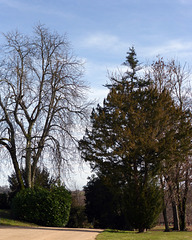
Una delle tenute Tariquet, importante produttore di vini in Guascogna.
Questa tenuta è ancora attiva per la coltivazione, raccolta e produzione di vini, ma la dimora non è più abitata in modo continuativo. Ora, fine dicembre, tutto è chiuso in attesa della prossima vendemmia.
Do not use any of my images on websites, blogs or other media without my explicit written permission.
All rights reserved - Copyright © Nora Caracci
Tariquet - Domaine Caillaubert
| |
|
|
|
Questo è il viale d'ingresso a una delle tenute dei Tariquet, produttori di vino da più di 100 anni in Guascogna.
Iniziarono con l'Armagnac, ma ora hanno anche una ampia gamma di vini esportati anche in U.S.A., prodotti in vaste tenute piano piano acquisite nei dintorni. Sono loro ad aver fatto conoscere ed apprezzare i vini di questa regione, portandoli ad alto livello di qualità con innovazioni anche tecnologiche come per esempio una macchina vendemmiatrice con annessa diraspatrice in modo da risparmiare tempo ed evitare ossidazione.
La sede principale, Chateau de Tariquet, è non lontano di qui, ve lo mostrerò un'altra volta...
Do not use any of my images on websites, blogs or other media without my explicit written permission.
All rights reserved - Copyright © Nora Caracci
souvenir du printemps
| |
|
|
|
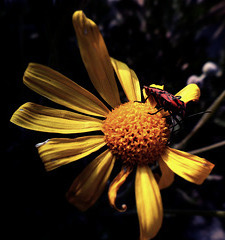
happy weekend to all !
Do not use any of my images on websites, blogs or other media without my explicit written permission.
All rights reserved - Copyright © Nora Caracci
bargigli al vento
| |
|
|
|
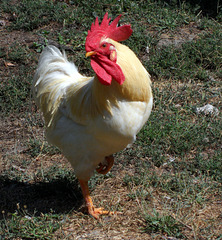
Questo è il gallo di razza livornese del mio amico Paolo
La razza Livorno (o Livornese) o "pollo italiano" è nota internazionalmente con il nome Leghorn.
Le origini non sono chiare, ma il nome deriva dal porto dal quale, nel 1828, questi animali partirono per l’America del Nord.
Nel 1874 fu inserita nell'American Standard of Perfection nelle colorazioni bianca, nera e bruna. La bianca fu selezionata principalmente per la produzione di uova. Dall'America la Livorno rientrò in Europa e principalmente in Inghilterra nel 1870 per poi ritornare in Italia.
Gli inglesi, da buoni tradizionalisti, hanno tutt'oggi in Standard la Livorno più o meno come gli arrivò dagli Stati Uniti, molto differente da ciò che si vede oggi.
Nel 1886 dall'American Poultry Association fu riconosciuta la Livorno cresta a rosa.
scenetta bucolica a Ladevèze Ville
| |
|
|
|
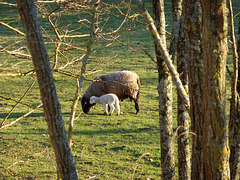
un regalo dell'ultimo dell'anno
Do not use any of my images on websites, blogs or other media without my explicit written permission.
All rights reserved - Copyright © Nora Caracci
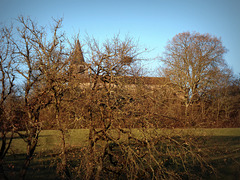
Notre Dame de Castex - Ladevèze Ville
| |
|
|
|
Ladevèze-Ville (La Devesa Vila en gascon) est une petite commune française située dans le département du Gers et la région Midi-Pyrénées.
Jusqu'à la Révolution les communes actuelles de Ladevèze Ville et Ladevèze Rivière formaient une unique communauté "La Deveze" ou Ladevèze. Le centre de cette communauté était le bourg de Ladevèze Ville appelé "La ville". C'était autrefois "un des plus importants Castelnaux de la Gascogne". Ce bourg s'est peu à peu dépeuplé. Mais il subsiste encore des vestiges importants de son enceinte médiévale.
L’église de Castex est une église de fondation romane de 22,60 m de long sur 6,20 m de large. On entre dans l’église par une porte placée au nord sous un porche rustique (une autre ouverture, aujourd’hui murée, existait côté clocher-mur). Dans le sanctuaire s’élève une hayère en bois sculpté, avec jours, accoudoirs et haut dossier surmonté d’un dais, datable de la fin du XVe siècle et classée par décret du 26 août 1938.
Do not use any of my images on websites, blogs or other media without my explicit written permission.
All rights reserved - Copyright © Nora Caracci
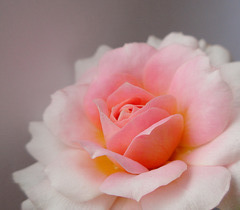
una ricca Meillandina
| |
|
|
|
Nasce nel 1975 la prima Meillandina, creata dal celebre floricoltore francese Meilland; un rosaio di piccola taglia, 30-40 cm, ma generosissimo: è in boccio per 9 mesi all’anno, da aprile a dicembre, ma ne ho viste fiorire anche a gennaio !
Le Meillandina amano i luoghi ben esposti, con almeno 5 ore di sole al giorno. Si possono mettere a dimora in giardino o coltivare in vaso su terrazzi e balconi. Anche durante l'inverno vanno lasciate all'aperto. In casa, per mancanza di luce, non riescono a fiorire.
Dopo la fioritura è consigliabile potarle poco sotto il fiore e fine inverno effettuare una potatura più consistente, a circa 10 cm dal suolo.
Explored
Do not use any of my images on websites, blogs or other media without my explicit written permission.
All rights reserved - Copyright © Nora Caracci
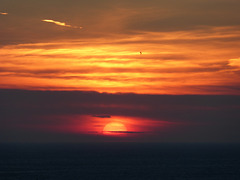
a dawn from my balcony
| |
|
|
|
again, best wishes to all for a luminous 2014 !
Explored
Do not use any of my images on websites, blogs or other media without my explicit written permission.
All rights reserved - Copyright © Nora Caracci
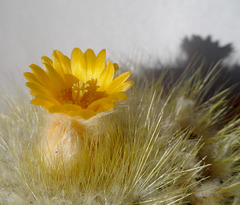
auguro a tutti un 2014 senza spine !
| |
|
|
|
magari sarà impossibile, allora auguro spine dorate e molto delicate come quelle della mia Parodia aureispina, possono essere accarezzate senza conseguenze spiacevoli !
Mi dicono che è stata su Explore...
Do not use any of my images on websites, blogs or other media without my explicit written permission.
All rights reserved - Copyright © Nora Caracci
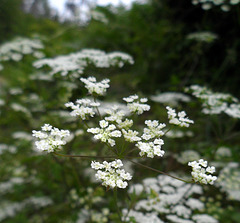
un tappeto di ombrellini bianchi
| |
|
|
|
I wish a lovely 2014 to all !
Do not use any of my images on websites, blogs or other media without my explicit written permission.
All rights reserved - Copyright © Nora Caracci
