

Joe, Son of the Rock's photos with the keyword: Crail
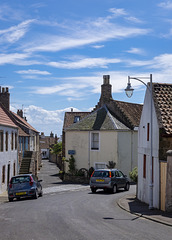
Crail, East Neuk of Fife
| 01 Jul 2021 |
|
|
|
Crail... is a former royal burgh, parish and community council area (Royal Burgh of Crail and District) in the East Neuk of Fife, Scotland. The civil parish has a population of 1,812 (in 2011). The name Crail was recorded in 1148 as Cherel and in 1153 as Karel. The first element is the Pictish *cair (c.f. Welsh caer) meaning "fort", though this word seems to have been borrowed into Gaelic. The second element may be either Gaelic ail, "rocks", or more problematically Pictish *al; no certain instance of this word exists in P-Celtic. However, if the generic element were Pictish, then this is likely of the specific. Quoted from Wikipedia
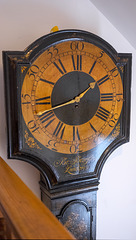
Crail Museum
| 09 Oct 2020 |
|
|
|
The Museum provides an insight into the past life of this ancient Royal Burgh, its kirk, seafaring tradition, Crail Golfing Society (founded in 1786 - the 7th oldest in the world) and airfield history from the First World War until its closure in 1960 (HMS Jackdaw, Fleet Air Arm Station, HMS Bruce Boys Training School and Joint Services School for Linguists). Quoted from the Crail Museum Website
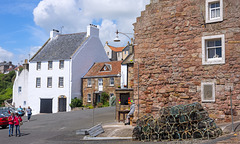
Crail
| 09 Oct 2020 |
|
|
|
Crail... is a former royal burgh, parish and community council area (Royal Burgh of Crail and District) in the East Neuk of Fife, Scotland. The civil parish has a population of 1,812 (in 2011). The name Crail was recorded in 1148 as Cherel and in 1153 as Karel. The first element is the Pictish *cair (c.f. Welsh caer) meaning "fort", though this word seems to have been borrowed into Gaelic. The second element may be either Gaelic ail, "rocks", or more problematically Pictish *al; no certain instance of this word exists in P-Celtic. However, if the generic element were Pictish, then this is likely of the specific. Quoted from Wikipedia
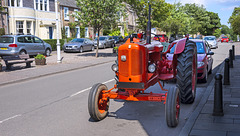
Tractor outside Crail Town Hall
| 09 Oct 2020 |
|
|
|
Crail... is a former royal burgh, parish and community council area (Royal Burgh of Crail and District) in the East Neuk of Fife, Scotland. The civil parish has a population of 1,812 (in 2011). The name Crail was recorded in 1148 as Cherel and in 1153 as Karel. The first element is the Pictish *cair (c.f. Welsh caer) meaning "fort", though this word seems to have been borrowed into Gaelic. The second element may be either Gaelic ail, "rocks", or more problematically Pictish *al; no certain instance of this word exists in P-Celtic. However, if the generic element were Pictish, then this is likely of the specific. Quoted from Wikipedia
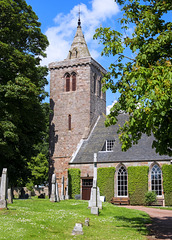
Crail Collegiate Church, Marketgate South, Crail
| 09 Oct 2020 |
|
|
|
Crail... is a former royal burgh, parish and community council area (Royal Burgh of Crail and District) in the East Neuk of Fife, Scotland. The civil parish has a population of 1,812 (in 2011). The name Crail was recorded in 1148 as Cherel and in 1153 as Karel. The first element is the Pictish *cair (c.f. Welsh caer) meaning "fort", though this word seems to have been borrowed into Gaelic. The second element may be either Gaelic ail, "rocks", or more problematically Pictish *al; no certain instance of this word exists in P-Celtic. However, if the generic element were Pictish, then this is likely of the specific. Quoted from Wikipedia
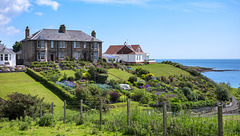
Crail
| 10 Oct 2020 |
|
|
|
Crail... is a former royal burgh, parish and community council area (Royal Burgh of Crail and District) in the East Neuk of Fife, Scotland. The civil parish has a population of 1,812 (in 2011). The name Crail was recorded in 1148 as Cherel and in 1153 as Karel. The first element is the Pictish *cair (c.f. Welsh caer) meaning "fort", though this word seems to have been borrowed into Gaelic. The second element may be either Gaelic ail, "rocks", or more problematically Pictish *al; no certain instance of this word exists in P-Celtic. However, if the generic element were Pictish, then this is likely of the specific. Quoted from Wikipedia
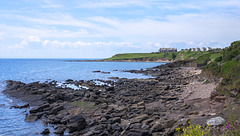
Crail
| 10 Oct 2020 |
|
|
|
Crail... is a former royal burgh, parish and community council area (Royal Burgh of Crail and District) in the East Neuk of Fife, Scotland. The civil parish has a population of 1,812 (in 2011). The name Crail was recorded in 1148 as Cherel and in 1153 as Karel. The first element is the Pictish *cair (c.f. Welsh caer) meaning "fort", though this word seems to have been borrowed into Gaelic. The second element may be either Gaelic ail, "rocks", or more problematically Pictish *al; no certain instance of this word exists in P-Celtic. However, if the generic element were Pictish, then this is likely of the specific. Quoted from Wikipedia
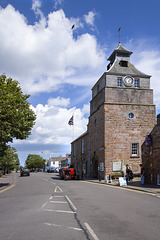
Crail Town Hall
| 10 Oct 2020 |
|
|
|
Crail... is a former royal burgh, parish and community council area (Royal Burgh of Crail and District) in the East Neuk of Fife, Scotland. The civil parish has a population of 1,812 (in 2011). The name Crail was recorded in 1148 as Cherel and in 1153 as Karel. The first element is the Pictish *cair (c.f. Welsh caer) meaning "fort", though this word seems to have been borrowed into Gaelic. The second element may be either Gaelic ail, "rocks", or more problematically Pictish *al; no certain instance of this word exists in P-Celtic. However, if the generic element were Pictish, then this is likely of the specific. Quoted from Wikipedia
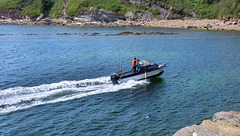
Speed Boat Approaching Crail Harbour
| 09 Oct 2020 |
|
|
|
Crail... is a former royal burgh, parish and community council area (Royal Burgh of Crail and District) in the East Neuk of Fife, Scotland. The civil parish has a population of 1,812 (in 2011). The name Crail was recorded in 1148 as Cherel and in 1153 as Karel. The first element is the Pictish *cair (c.f. Welsh caer) meaning "fort", though this word seems to have been borrowed into Gaelic. The second element may be either Gaelic ail, "rocks", or more problematically Pictish *al; no certain instance of this word exists in P-Celtic. However, if the generic element were Pictish, then this is likely of the specific. Quoted from Wikipedia
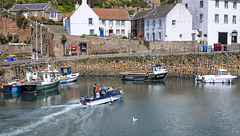
Speed Boat in Crail Harbour
| 09 Oct 2020 |
|
|
|
Crail... is a former royal burgh, parish and community council area (Royal Burgh of Crail and District) in the East Neuk of Fife, Scotland. The civil parish has a population of 1,812 (in 2011). The name Crail was recorded in 1148 as Cherel and in 1153 as Karel. The first element is the Pictish *cair (c.f. Welsh caer) meaning "fort", though this word seems to have been borrowed into Gaelic. The second element may be either Gaelic ail, "rocks", or more problematically Pictish *al; no certain instance of this word exists in P-Celtic. However, if the generic element were Pictish, then this is likely of the specific. Quoted from Wikipedia
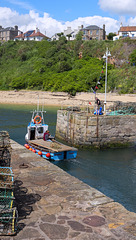
Fishing Boat Leaving Crail Harbour
| 09 Oct 2020 |
|
|
|
Crail... is a former royal burgh, parish and community council area (Royal Burgh of Crail and District) in the East Neuk of Fife, Scotland. The civil parish has a population of 1,812 (in 2011). The name Crail was recorded in 1148 as Cherel and in 1153 as Karel. The first element is the Pictish *cair (c.f. Welsh caer) meaning "fort", though this word seems to have been borrowed into Gaelic. The second element may be either Gaelic ail, "rocks", or more problematically Pictish *al; no certain instance of this word exists in P-Celtic. However, if the generic element were Pictish, then this is likely of the specific. Quoted from Wikipedia
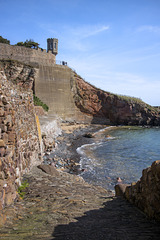
Crail Coastline
| 08 Oct 2020 |
|
|
|
Crail... is a former royal burgh, parish and community council area (Royal Burgh of Crail and District) in the East Neuk of Fife, Scotland. The civil parish has a population of 1,812 (in 2011). The name Crail was recorded in 1148 as Cherel and in 1153 as Karel. The first element is the Pictish *cair (c.f. Welsh caer) meaning "fort", though this word seems to have been borrowed into Gaelic. The second element may be either Gaelic ail, "rocks", or more problematically Pictish *al; no certain instance of this word exists in P-Celtic. However, if the generic element were Pictish, then this is likely of the specific. Quoted from Wikipedia
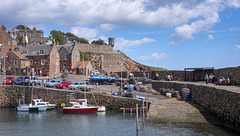
Crail Harbour
| 08 Oct 2020 |
|
|
|
Crail... is a former royal burgh, parish and community council area (Royal Burgh of Crail and District) in the East Neuk of Fife, Scotland. The civil parish has a population of 1,812 (in 2011). The name Crail was recorded in 1148 as Cherel and in 1153 as Karel. The first element is the Pictish *cair (c.f. Welsh caer) meaning "fort", though this word seems to have been borrowed into Gaelic. The second element may be either Gaelic ail, "rocks", or more problematically Pictish *al; no certain instance of this word exists in P-Celtic. However, if the generic element were Pictish, then this is likely of the specific. Quoted from Wikipedia
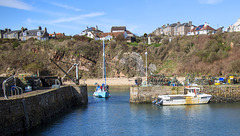
Yacht Entering Crail Harbour
| 08 Oct 2020 |
|
|
|
Crail... is a former royal burgh, parish and community council area (Royal Burgh of Crail and District) in the East Neuk of Fife, Scotland. The civil parish has a population of 1,812 (in 2011). The name Crail was recorded in 1148 as Cherel and in 1153 as Karel. The first element is the Pictish *cair (c.f. Welsh caer) meaning "fort", though this word seems to have been borrowed into Gaelic. The second element may be either Gaelic ail, "rocks", or more problematically Pictish *al; no certain instance of this word exists in P-Celtic. However, if the generic element were Pictish, then this is likely of the specific. Quoted from Wikipedia
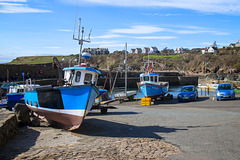
Fishing Boats, Crail Harbour
| 08 Oct 2020 |
|
|
|
The East Neuk or East Neuk of Fife is an area of the coast of Fife, Scotland. "Neuk" is the Scots word for nook or corner, and the East Neuk is generally accepted to comprise the fishing villages of the most northerly part of the Firth of Forth and the land and villages slightly inland therefrom. In effect, this means that part to the south of a line drawn parallel to the coast from just north of Earlsferry to just north of Crail, approximately 100 square kilometres (39 sq mi) in area. As such it would include Elie and Earlsferry, Colinsburgh, St Monans, Pittenweem, Arncroach, Carnbee, Anstruther, Cellardyke, Kilrenny, Crail and Kingsbarns and the immediate hinterland, as far as the upland area known as the Riggin o Fife. Quoted from Wikipedia
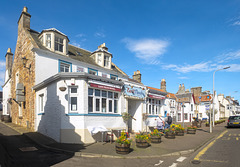
East Neuk Hotel, Crail
| 08 Oct 2020 |
|
|
|
The East Neuk or East Neuk of Fife is an area of the coast of Fife, Scotland. "Neuk" is the Scots word for nook or corner, and the East Neuk is generally accepted to comprise the fishing villages of the most northerly part of the Firth of Forth and the land and villages slightly inland therefrom. In effect, this means that part to the south of a line drawn parallel to the coast from just north of Earlsferry to just north of Crail, approximately 100 square kilometres (39 sq mi) in area. As such it would include Elie and Earlsferry, Colinsburgh, St Monans, Pittenweem, Arncroach, Carnbee, Anstruther, Cellardyke, Kilrenny, Crail and Kingsbarns and the immediate hinterland, as far as the upland area known as the Riggin o Fife. Quoted from Wikipedia
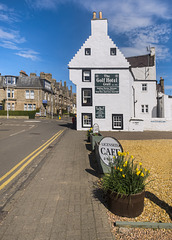
Golf Hotel, Crail
| 08 Oct 2020 |
|
|
|
The East Neuk or East Neuk of Fife is an area of the coast of Fife, Scotland. "Neuk" is the Scots word for nook or corner, and the East Neuk is generally accepted to comprise the fishing villages of the most northerly part of the Firth of Forth and the land and villages slightly inland therefrom. In effect, this means that part to the south of a line drawn parallel to the coast from just north of Earlsferry to just north of Crail, approximately 100 square kilometres (39 sq mi) in area. As such it would include Elie and Earlsferry, Colinsburgh, St Monans, Pittenweem, Arncroach, Carnbee, Anstruther, Cellardyke, Kilrenny, Crail and Kingsbarns and the immediate hinterland, as far as the upland area known as the Riggin o Fife. Quoted from Wikipedia
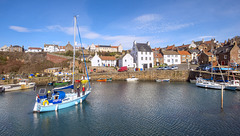
Yacht Leaving Crail Harbour
| 06 Oct 2020 |
|
|
|
Crail... is a former royal burgh, parish and community council area (Royal Burgh of Crail and District) in the East Neuk of Fife, Scotland. The civil parish has a population of 1,812 (in 2011). The name Crail was recorded in 1148 as Cherel and in 1153 as Karel. The first element is the Pictish *cair (c.f. Welsh caer) meaning "fort", though this word seems to have been borrowed into Gaelic. The second element may be either Gaelic ail, "rocks", or more problematically Pictish *al; no certain instance of this word exists in P-Celtic. However, if the generic element were Pictish, then this is likely of the specific. Quoted from Wikipedia
Jump to top
RSS feed- Joe, Son of the Rock's latest photos with "Crail" - Photos
- ipernity © 2007-2026
- Help & Contact
|
Club news
|
About ipernity
|
History |
ipernity Club & Prices |
Guide of good conduct
Donate | Group guidelines | Privacy policy | Terms of use | Statutes | In memoria -
Facebook
X
