

LaurieAnnie's photos with the keyword: Gudea
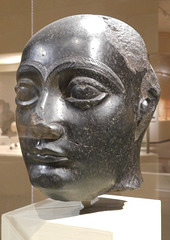
Head of Gudea in the Metropolitan Museum of Art, F…
| 05 Jun 2021 |
|
Head of Gudea
ca. 2090 B.C.
Neo-Sumerian
Object Details
Title: Head of Gudea
Period: Neo-Sumerian
Date: ca. 2090 B.C.
Geography: Mesopotamia, probably from Girsu (modern Tello)
Culture: Neo-Sumerian
Medium: Diorite
Dimensions: H. 10 1/16 x W. 7 9/16 x D. 9 15/16 in. (25.5 x 19.2 x 25.3 cm)
Credit Line: Fletcher Fund, 1949
Accession Number: 49.26
Text from: www.metmuseum.org/art/collection/search/324061
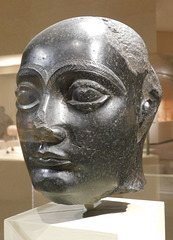
Head of Gudea in the Metropolitan Museum of Art, F…
| 05 Jun 2021 |
|
Head of Gudea
ca. 2090 B.C.
Neo-Sumerian
Object Details
Title: Head of Gudea
Period: Neo-Sumerian
Date: ca. 2090 B.C.
Geography: Mesopotamia, probably from Girsu (modern Tello)
Culture: Neo-Sumerian
Medium: Diorite
Dimensions: H. 10 1/16 x W. 7 9/16 x D. 9 15/16 in. (25.5 x 19.2 x 25.3 cm)
Credit Line: Fletcher Fund, 1949
Accession Number: 49.26
Text from: www.metmuseum.org/art/collection/search/324061
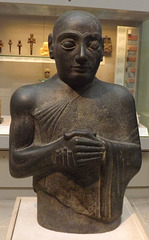
Statue of Gudea in the British Museum, May 2014
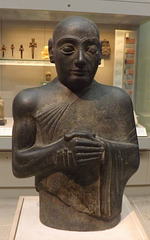
Statue of Gudea in the British Museum, May 2014

Head of Gudea in the Metropolitan Museum of Art, J…
| 08 May 2011 |
|
Title: Head of Gudea
Period: Neo-Sumerian
Date: ca. 2090 B.C.
Geography: Mesopotamia, probably from Girsu (modern Tello)
Medium: Diorite
Dimensions: H. 10 1/16 x W. 7 9/16 x D. 9 15/16 in. (25.5 x 19.2 x 25.3 cm)
Classification: Stone-Sculpture
Credit Line: Fletcher Fund, 1949
Accession Number: 49.26
Text from: www.metmuseum.org/Works_of_Art/collection_database/ancien...

Seated Statue of Gudea in the Metropolitan Museum…
| 09 Aug 2007 |
|
Seated statue of Gudea, 2150–2100 B.C.; Neo-Sumerian period
Probably Tello (ancient Girsu), southern Mesopotamia
Diorite; H. 17 3/8 in. (44 cm)
Harris Brisbane Dick Fund, 1959 (59.2)
The Akkadian empire collapsed after two centuries of rule, and during the succeeding fifty years, local kings ruled independent city-states in southern Mesopotamia. The city-state of Lagash produced a remarkable number of statues of its kings as well as Sumerian literary hymns and prayers under the rule of Gudea (ca. 2150–2125 B.C.) and his son Ur-Ningirsu (ca. 2125–2100 B.C.). Unlike the art of the Akkadian period, which was characterized by dynamic naturalism, the works produced by this Neo-Sumerian culture are pervaded by a sense of pious reserve and serenity.
This sculpture belongs to a series of diorite statues commissioned by Gudea, who devoted his energies to rebuilding the great temples of Lagash and installing statues of himself in them. Many inscribed with his name and divine dedications survive. Here, Gudea is depicted in the seated pose of a ruler before his subjects, his hands folded in a traditional gesture of greeting and prayer. The Sumerian inscription on his robe lists the various temples that he built or renovated in Lagash and names the statue itself, "Gudea, the man who built the temple; may his life be long."
Text from: www.metmuseum.org/toah/ho/02/wam/hod_59.2.htm

Seated Statue of Gudea in the Metropolitan Museum…
| 09 Aug 2007 |
|
Seated statue of Gudea, 2150–2100 B.C.; Neo-Sumerian period
Probably Tello (ancient Girsu), southern Mesopotamia
Diorite; H. 17 3/8 in. (44 cm)
Harris Brisbane Dick Fund, 1959 (59.2)
The Akkadian empire collapsed after two centuries of rule, and during the succeeding fifty years, local kings ruled independent city-states in southern Mesopotamia. The city-state of Lagash produced a remarkable number of statues of its kings as well as Sumerian literary hymns and prayers under the rule of Gudea (ca. 2150–2125 B.C.) and his son Ur-Ningirsu (ca. 2125–2100 B.C.). Unlike the art of the Akkadian period, which was characterized by dynamic naturalism, the works produced by this Neo-Sumerian culture are pervaded by a sense of pious reserve and serenity.
This sculpture belongs to a series of diorite statues commissioned by Gudea, who devoted his energies to rebuilding the great temples of Lagash and installing statues of himself in them. Many inscribed with his name and divine dedications survive. Here, Gudea is depicted in the seated pose of a ruler before his subjects, his hands folded in a traditional gesture of greeting and prayer. The Sumerian inscription on his robe lists the various temples that he built or renovated in Lagash and names the statue itself, "Gudea, the man who built the temple; may his life be long."
Text from: www.metmuseum.org/toah/ho/02/wam/hod_59.2.htm

Seated Statue of Gudea in the Metropolitan Museum…
| 09 Aug 2007 |
|
Seated statue of Gudea, 2150–2100 B.C.; Neo-Sumerian period
Probably Tello (ancient Girsu), southern Mesopotamia
Diorite; H. 17 3/8 in. (44 cm)
Harris Brisbane Dick Fund, 1959 (59.2)
The Akkadian empire collapsed after two centuries of rule, and during the succeeding fifty years, local kings ruled independent city-states in southern Mesopotamia. The city-state of Lagash produced a remarkable number of statues of its kings as well as Sumerian literary hymns and prayers under the rule of Gudea (ca. 2150–2125 B.C.) and his son Ur-Ningirsu (ca. 2125–2100 B.C.). Unlike the art of the Akkadian period, which was characterized by dynamic naturalism, the works produced by this Neo-Sumerian culture are pervaded by a sense of pious reserve and serenity.
This sculpture belongs to a series of diorite statues commissioned by Gudea, who devoted his energies to rebuilding the great temples of Lagash and installing statues of himself in them. Many inscribed with his name and divine dedications survive. Here, Gudea is depicted in the seated pose of a ruler before his subjects, his hands folded in a traditional gesture of greeting and prayer. The Sumerian inscription on his robe lists the various temples that he built or renovated in Lagash and names the statue itself, "Gudea, the man who built the temple; may his life be long."
Text from: www.metmuseum.org/toah/ho/02/wam/hod_59.2.htm
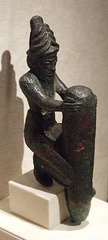
Sumerian Deity Holding a Foundation Peg in the Wal…
| 01 Feb 2012 |
|
Deity Holding a Foundation Peg
Creator: Sumerian (Artist)
Period: ca. 2100 BC (Neo-Sumerian)
Medium: cast bronze (Metal)
Accession Number: 54.790
Measurements: 6 15/16 x 1 11/16 x 2 13/16 in. (17.7 x 4.3 x 7.2 cm)
Geography: Lagash (present-day Telloh, Iraq) (Place of Discovery)
A deity, wearing a divine horned headdress, kneels with a foundation peg inscribed with King Gudea's name. Though the inscription is mostly defaced, it was probably dedicated to the Ningirsu, god of the city of Lagash.
Text from: art.thewalters.org/detail/7006/deity-holding-a-foundation...
Jump to top
RSS feed- LaurieAnnie's latest photos with "Gudea" - Photos
- ipernity © 2007-2025
- Help & Contact
|
Club news
|
About ipernity
|
History |
ipernity Club & Prices |
Guide of good conduct
Donate | Group guidelines | Privacy policy | Terms of use | Statutes | In memoria -
Facebook
X
