

LaurieAnnie's photos with the keyword: vulture

Head and Shoulder Statue of a Vulture, Likely the…
| 08 Feb 2026 |
|
On loan to The Met
Title: Head and shoulder from a statue of a vulture
Period: Napatan Period
Date: ca. 690–664 BCE
Medium: Granite gneiss
Dimensions: 41.5 × 27 × 50 cm, 49 kg (16 5/16 × 10 5/8 × 19 11/16 in., 108 lb.)
Other (Head): 10 1/4 in. (26 cm)
Credit Line: The Ashmolean Museum, University of Oxford. Allocated by the Oxford Expedition to Nubia from excavations at Sanam Abu Dom, 1922.
Object No.: DE.113
This fragment probably depicts the goddess of Upper Egypt, Nekhbet, in her vulture manifestation. The presence of Nekhbet and her Lower Egyptian counterpart Wadjet (likely represented in the adjacent cobra statue fragment) reinforced a king’s divine right to rule. Although both deities are Egyptian, aspects of the fragments suggest that they come from statues made in Nubia. Napatan rulers used gneiss for state-commissioned art, and details of the vulture—in particular the thick beak, heavy neck ridge, and broad collar—have no parallel in known Egyptian depictions of Nekhbet.
Text from: www.metmuseum.org/exhibitions/divine-egypt/exhibition-objects

Head and Shoulder Statue of a Vulture, Likely the…
| 08 Feb 2026 |
|
On loan to The Met
Title: Head and shoulder from a statue of a vulture
Period: Napatan Period
Date: ca. 690–664 BCE
Medium: Granite gneiss
Dimensions: 41.5 × 27 × 50 cm, 49 kg (16 5/16 × 10 5/8 × 19 11/16 in., 108 lb.)
Other (Head): 10 1/4 in. (26 cm)
Credit Line: The Ashmolean Museum, University of Oxford. Allocated by the Oxford Expedition to Nubia from excavations at Sanam Abu Dom, 1922.
Object No.: DE.113
This fragment probably depicts the goddess of Upper Egypt, Nekhbet, in her vulture manifestation. The presence of Nekhbet and her Lower Egyptian counterpart Wadjet (likely represented in the adjacent cobra statue fragment) reinforced a king’s divine right to rule. Although both deities are Egyptian, aspects of the fragments suggest that they come from statues made in Nubia. Napatan rulers used gneiss for state-commissioned art, and details of the vulture—in particular the thick beak, heavy neck ridge, and broad collar—have no parallel in known Egyptian depictions of Nekhbet.
Text from: www.metmuseum.org/exhibitions/divine-egypt/exhibition-objects
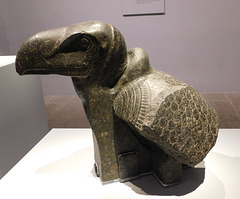
Head and Shoulder Statue of a Vulture, Likely the…
| 08 Feb 2026 |
|
On loan to The Met
Title: Head and shoulder from a statue of a vulture
Period: Napatan Period
Date: ca. 690–664 BCE
Medium: Granite gneiss
Dimensions: 41.5 × 27 × 50 cm, 49 kg (16 5/16 × 10 5/8 × 19 11/16 in., 108 lb.)
Other (Head): 10 1/4 in. (26 cm)
Credit Line: The Ashmolean Museum, University of Oxford. Allocated by the Oxford Expedition to Nubia from excavations at Sanam Abu Dom, 1922.
Object No.: DE.113
This fragment probably depicts the goddess of Upper Egypt, Nekhbet, in her vulture manifestation. The presence of Nekhbet and her Lower Egyptian counterpart Wadjet (likely represented in the adjacent cobra statue fragment) reinforced a king’s divine right to rule. Although both deities are Egyptian, aspects of the fragments suggest that they come from statues made in Nubia. Napatan rulers used gneiss for state-commissioned art, and details of the vulture—in particular the thick beak, heavy neck ridge, and broad collar—have no parallel in known Egyptian depictions of Nekhbet.
Text from: www.metmuseum.org/exhibitions/divine-egypt/exhibition-objects

Head and Shoulder Statue of a Vulture, Likely the…
| 08 Feb 2026 |
|
On loan to The Met
Title: Head and shoulder from a statue of a vulture
Period: Napatan Period
Date: ca. 690–664 BCE
Medium: Granite gneiss
Dimensions: 41.5 × 27 × 50 cm, 49 kg (16 5/16 × 10 5/8 × 19 11/16 in., 108 lb.)
Other (Head): 10 1/4 in. (26 cm)
Credit Line: The Ashmolean Museum, University of Oxford. Allocated by the Oxford Expedition to Nubia from excavations at Sanam Abu Dom, 1922.
Object No.: DE.113
This fragment probably depicts the goddess of Upper Egypt, Nekhbet, in her vulture manifestation. The presence of Nekhbet and her Lower Egyptian counterpart Wadjet (likely represented in the adjacent cobra statue fragment) reinforced a king’s divine right to rule. Although both deities are Egyptian, aspects of the fragments suggest that they come from statues made in Nubia. Napatan rulers used gneiss for state-commissioned art, and details of the vulture—in particular the thick beak, heavy neck ridge, and broad collar—have no parallel in known Egyptian depictions of Nekhbet.
Text from: www.metmuseum.org/exhibitions/divine-egypt/exhibition-objects

Head and Shoulder Statue of a Vulture, Likely the…
| 08 Feb 2026 |
|
On loan to The Met
Title: Head and shoulder from a statue of a vulture
Period: Napatan Period
Date: ca. 690–664 BCE
Medium: Granite gneiss
Dimensions: 41.5 × 27 × 50 cm, 49 kg (16 5/16 × 10 5/8 × 19 11/16 in., 108 lb.)
Other (Head): 10 1/4 in. (26 cm)
Credit Line: The Ashmolean Museum, University of Oxford. Allocated by the Oxford Expedition to Nubia from excavations at Sanam Abu Dom, 1922.
Object No.: DE.113
This fragment probably depicts the goddess of Upper Egypt, Nekhbet, in her vulture manifestation. The presence of Nekhbet and her Lower Egyptian counterpart Wadjet (likely represented in the adjacent cobra statue fragment) reinforced a king’s divine right to rule. Although both deities are Egyptian, aspects of the fragments suggest that they come from statues made in Nubia. Napatan rulers used gneiss for state-commissioned art, and details of the vulture—in particular the thick beak, heavy neck ridge, and broad collar—have no parallel in known Egyptian depictions of Nekhbet.
Text from: www.metmuseum.org/exhibitions/divine-egypt/exhibition-objects
Jump to top
RSS feed- LaurieAnnie's latest photos with "vulture" - Photos
- ipernity © 2007-2026
- Help & Contact
|
Club news
|
About ipernity
|
History |
ipernity Club & Prices |
Guide of good conduct
Donate | Group guidelines | Privacy policy | Terms of use | Statutes | In memoria -
Facebook
X
