

J. Gafarot's photos with the keyword: Soth Country
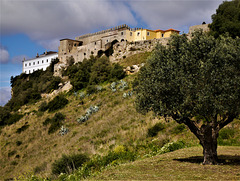
Palmela
| 12 Nov 2020 |
|
|
|
The early human occupation of the region dates back to prehistory, particularly the Neolithic period, according to the abundant archaeological testimony. Some scholars point to date of 310 BC for the founding of a settlement on the current location, fortified at the time of Romanization of the Iberian peninsula in 106, by a Praetor of Lusitania, named Áulio Cornelius (or Áulio Cornelius Palma). Modern archaeological research proves, however, that the subsequent occupation of this site was uninterrupted, initially by the Visigoths and later the Muslims, the latter responsible for the primitive fortification between the eighth century and the ninth, greatly expanded between the tenth century and the 12th. (wiki)
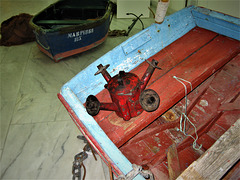
One man and his work: night fishing.
| 20 Apr 2020 |
|
|
|
Oil lamp.
Only seventy years ago it worked this way.
"May it be a light to you in dark places, when all other lights go out."
- J.R:R: Tolkien
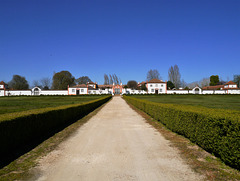
Quinta de Santa Marta
| 16 Mar 2019 |
|
|
|
The Landal Palace was built, between the end of the seventeenth century and the beginning of the next century, on a construction of an earlier period, believed to be able to retreat to the fifteenth century. The designation of Landal dates back to the 19th century, when it was acquired by the 1st Viscount of Landal, Julião Casimiro Ferreira.
Agricultural architecture. Farm agricultural annex, with roofs in masseira, covering the intercommunicating halls, painted with windings of foliage and boys framing cards with representations of the history of Samson and Delilah and scenes of the comedy dell'arte.
Benfica do Ribatejo., a few kilometres West of Santarém.
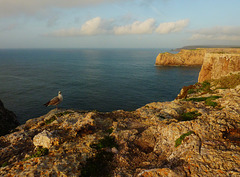
North shore of Cape St. Vincent.
| 07 Jan 2017 |
|
|
|
Cape St. Vincent was already sacred ground in Neolithic times, as standing menhirs in the neighborhood attest. The ancient Greeks called it Ophiussa (Land of Serpents), inhabited by the Oestriminis and dedicated here a temple to Heracles. The Romans called it Promontorium Sacrum (or Holy Promontory). They considered it a magical place where the sunset was much larger than anywhere else. They believed the sun sank here hissing into the ocean, marking the edge of their world.
According to legend, the name of this cape is linked to the story of a martyred fourth-century Iberian deacon St. Vincent whose body was brought ashore here. A shrine was erected over his grave; according to the Arab geographer Al-Idrisi, it was always guarded by ravens and is therefore named by him كنيسة الغراب (Kanīsah al-Ghurāb, meaning "Church of the Raven"). King Afonso Henriques (1139–1185) had the body of the saint exhumed in 1173 and brought it by ship to Lisbon, still accompanied by the ravens. This transfer of the relics is depicted on the coat of arms of Lisbon.
The area around the cape was plundered several times by pirates from France and Holland and, in 1587, by Sir Francis Drake. All existing buildings—including the Vila do Infante of Henry the Navigator—fell into ruins because of the Lisbon earthquake of 1755. The Franciscan friars who cared for the shrine stayed on until 1834, when all monasteries were disbanded in Portugal.
Jump to top
RSS feed- J. Gafarot's latest photos with "Soth Country" - Photos
- ipernity © 2007-2026
- Help & Contact
|
Club news
|
About ipernity
|
History |
ipernity Club & Prices |
Guide of good conduct
Donate | Group guidelines | Privacy policy | Terms of use | Statutes | In memoria -
Facebook
X
