

J. Gafarot's photos with the keyword: Marvão
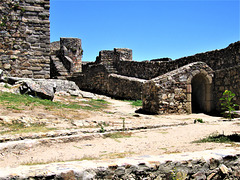
Castelo de Marvão
| 07 Sep 2021 |
|
|
|
During the early Middle Ages, the Swabians, Visigoths and eventually the Umayyad Arabs began to settle in the area. The construction of the castle at Marvão was attributed to 9th century Islamic knight, Ibn Marwan, who began to dwell in the castle between 876 and 877.
By the beginning of the 10th century, the settlement was designated Amaia de Ibn Maruán or, alternately, the fortress of Amaia.
Christian forces loyal to King D. Afonso I (1112–1185) conquered the region and town from Moorish forces sometime between 1160 and 1166
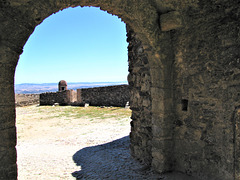
Porta, Marvão
| 12 Oct 2021 |
|
|
|
Castle Gate
From afar, they come, the invaders.
The Lusitanians called it Medóbriga, which, object of dispute between the forces of Pompey and Julius Caesar, was conquered by the latter's troops under the command of the proprietor Caio Longinus, in the middle of the 1st century.
Although there is no further information about the period of the invasions of the Suevi, Visigoths and Muslims, between 876 and 877 ibn Maruane settled there, and the place was already known in the 10th century as Amaia de ibn Maruane.
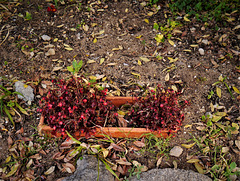
Begonia
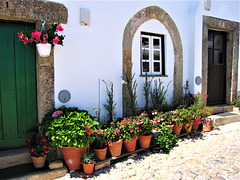
Flowers of Marvão
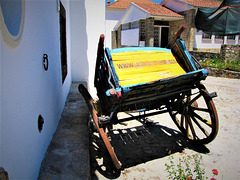
Horse cart of Alentejo
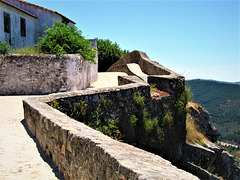
HFF
| 28 May 2021 |
|
|
|
Marvão
HFF to all my Friends and Visitors.
Stay safe and enjoy the sun.
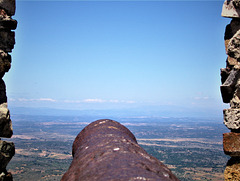
Look straight on - PIP´s
| 12 Nov 2019 |
|
|
|
Castle of MARVÃO
Little is known about when the first peoples settled in the area of Marvão, but Roman forces began to appear in the region, following the strategic road linking it with Cáceres Santarém and bridge over the River Sever. During the early Middle Ages, the Swabians, Visigoths and eventually the Umayyad Arabs began to settle in the area. The construction of the castle at Marvão was attributed to 9th century Islamic knight, Ibn Marwan, who began to dwell in the castle between 876 and 877. By the beginning of the 10th century, the settlement was designated Amaia de Ibn Maruán or, alternately, the fortress of Amaia. Christian forces loyal to King D. Afonso I (1112–1185) conquered the region and town from Moorish forces sometime around 1160 .
PLEASE - PIP to check the options they had . . .
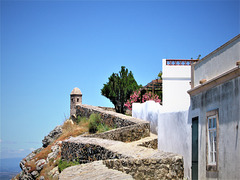
Marvão
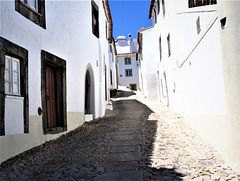
Marvão
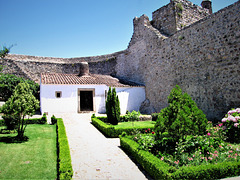
Insieme
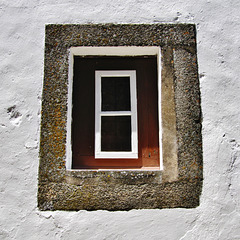
Marvão
| 11 Oct 2014 |
|
|
|
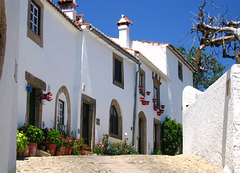
Marvão
| 03 Oct 2014 |
|
|
|
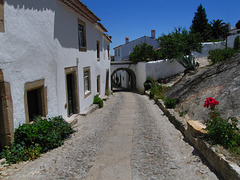
Marvão - the village
| 17 Sep 2014 |
|
|
|
The village has generated significant tourist interest in recent years. It was included in the #1 New York Times bestselling book, '1000 Places to see Before you Die'.[1] Nobel prize-winning author José Saramago wrote of the village ‘‘From Marvão one can see the entire land... It is understandable that from this place, high up in the keep at Marvão Castle, visitors may respectfully murmur, ‘How great is the world.’’.[2] In the 1950s, author Huldine V. Beamish wrote of Marvão 'There is an atmosphere about the district (of Marvão) that is very ancient. At times you have the same peculiar feelings as those evoked by Stonehenge and that amazing druid monument at Callernish in the Isle of Lewis. Picking your way along the steep stony pathways, you would not be at all surprised to meet a Phoenician trader or Roman Soldier. It would be the most natural thing in the world.'.[3] An annual international classical music festival, under the artistic direction of German conductor Christoph Poppen, was launched in Marvão in July 2014.
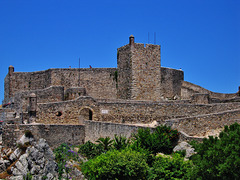
Marvão
| 15 Sep 2014 |
|
|
|
Marvão is a little Portuguese Village in Portalegre district, Alentejo Region.
The name Marvão comes from an arab warrior called "Ibn-Marwan", that died in 889. He was a lider of a movement that decided to fight the Emirs of Córdova and found a sort of independent Kingdom.
This was the place he choose to build his fortress.
Little is known about the early ocupation of this place. Possibly it was a pré-historic fortification.
There are some thesis that state that this place was in a middle of a dispute between Caesar and Pompeus and was conqered by the army of the first one. The interest in the place was due to a Roman road passing nearby connecting Cáceres to Santarem.
There´s not much information in the invasions period of the Suevos, Visigotic, Muslims.
Between 876 and 877 came Ibn Marwan and in the X Century the place was known has Amaia of Ibn Marwan or the Amaia Fortress.
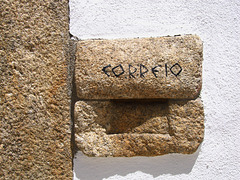
Mailbox
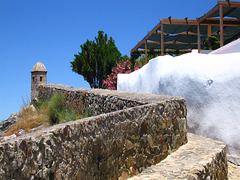
Marvão
| 06 Sep 2014 |
|
|
|
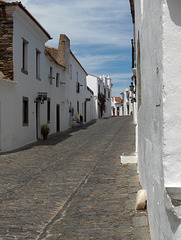
Marvão II
| 14 Apr 2014 |
|
|
|
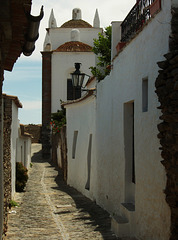
Marvão
| 02 Apr 2014 |
|
|
|
Jump to top
RSS feed- J. Gafarot's latest photos with "Marvão" - Photos
- ipernity © 2007-2026
- Help & Contact
|
Club news
|
About ipernity
|
History |
ipernity Club & Prices |
Guide of good conduct
Donate | Group guidelines | Privacy policy | Terms of use | Statutes | In memoria -
Facebook
X
