

m̌ ḫ's photos with the keyword: calligraphy καλλιγραφία 書法 فن الخ
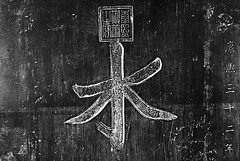
水
| 10 Dec 2011 |
|
|
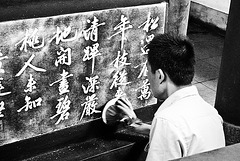
Copying calligraphy II.
| 10 Dec 2011 |
|
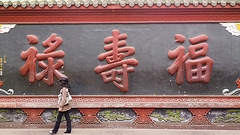
money, lenghtivity, good fortune
| 29 Aug 2009 |
|
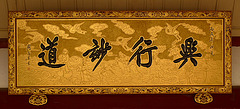
Nadpis
| 29 Aug 2009 |
|
|
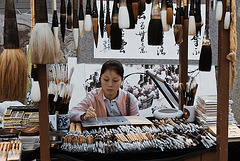
Calligrapher
| 10 Dec 2011 |
|
|

Calligraphy in arabic
| 07 Dec 2011 |
|
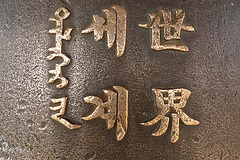
mongolčina vs. čínština
| 19 Oct 2009 |
|
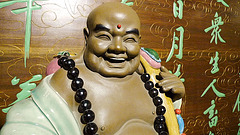
Vegetarian Buddha
| 02 Mar 2009 |
|
In Chinese restaurants, the concept of the "Vegetarian Buddha" is most famously embodied in dishes and dining traditions inspired by Buddhist vegetarianism. The most iconic dish is Buddha’s Delight (罗汉斋, luóhàn zhāi), a classic vegetarian medley of assorted vegetables, tofu, mushrooms, and sometimes bean threads, all simmered in a light, savoury sauce. This dish, rooted in Buddhist monastic cuisine, is traditionally enjoyed by monks and laypeople alike, especially during festivals and on the first day of the Lunar New Year, when many Chinese Buddhists and even non-Buddhists choose to eat vegetarian food as a gesture of purification and compassion.
img552
| 29 Nov 2009 |
|
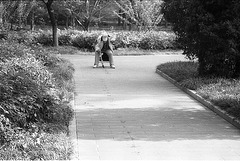
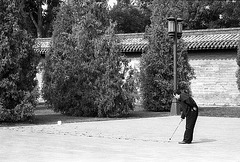
Calligraphy in the park
| 29 Nov 2009 |
|
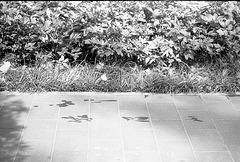
img548
| 29 Nov 2009 |
|
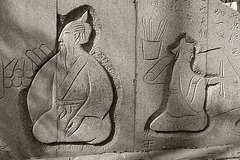
Mnisi
| 09 Jul 2009 |
|
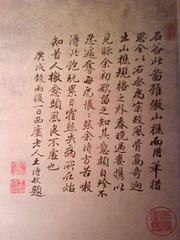
Script
| 28 Oct 2009 |
|
|
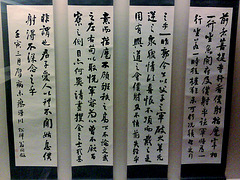
Top down management
| 28 Oct 2009 |
|
|
|
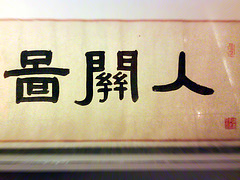
啚關人
| 28 Oct 2009 |
|
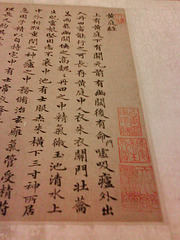
Stamps of the owners
| 28 Oct 2009 |
|
|
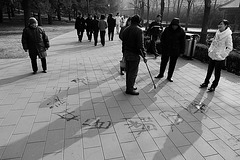
Poem
| 10 Jul 2009 |
|
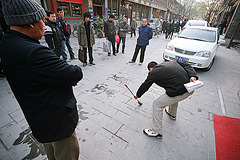
Dιѕαρρ…єαяιɴɢ Ƈɑllι…ɢʁαρhყ
| 18 Oct 2025 |
|
|
|
In Beijing’s Liulichang Street, a historic cultural quarter over 300 years old, people often practice 地书 (dishu), or “ground calligraphy.” Using large brushes with sponge tips, they write Chinese characters on the pavement with water. The strokes shimmer for a moment before evaporating in the sun, leaving no trace.
This tradition began in the 1980s and has become a beloved morning ritual, especially among older residents. It’s more than art — it’s gentle exercise, mental focus, and social interaction. Writers often reproduce classical poetry or philosophical sayings from memory, following traditional calligraphy rules. The act is meditative yet communal: people gather, chat, and exchange thoughts on technique and meaning.
Liulichang dates back to the Ming dynasty, named after a famous coloured-glaze factory that once produced tiles for palaces and temples. Later, it became a centre for scholars and imperial exam candidates. Today, the street is lined with antique shops, bookstores, and art studios. Watching dishu here feels natural — a living tradition in a place long devoted to literacy and aesthetics. For Western visitors, it offers a quiet, authentic glimpse into daily Chinese life: no performance, no commerce, just the fleeting grace of expression in water and sunlight.
Jump to top
RSS feed- m̌ ḫ's latest photos with "calligraphy καλλιγραφία 書法 فن الخ" - Photos
- ipernity © 2007-2026
- Help & Contact
|
Club news
|
About ipernity
|
History |
ipernity Club & Prices |
Guide of good conduct
Donate | Group guidelines | Privacy policy | Terms of use | Statutes | In memoria -
Facebook
X
