

Coldwaterjohn's photos with the keyword: Blackhills May 2019
LR-1040978
| 12 May 2019 |
|
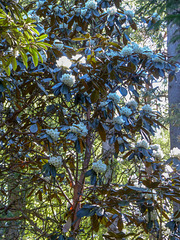
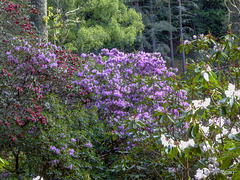
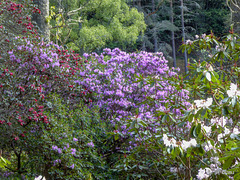
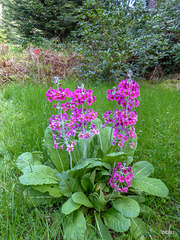
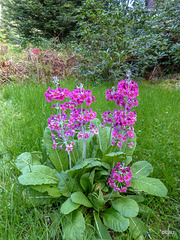
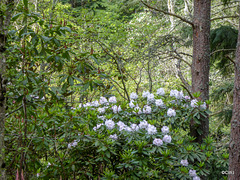
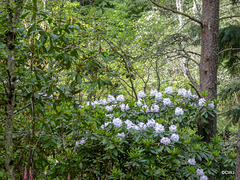
The garden at Blackhills was started at the beginning of the 20th century by Thomas North Christie, a retired tea planter, who eagerly took advantage of the many new species of rhododendron that were being discovered in remote mountainous regions of Tibet and China. Thomas Christie grew plants from many other genera including meconopsis, primula and gentian, but it was the rhododendrons that proved outstandingly successful, thriving on the thin layer of peaty soil that covers the sides of the valleys. Although the soil is poor compared to nutrient-rich garden soil, the rhododendrons seem to need no extra fertiliser or plant food. From the beginning, the garden was planned as an informal, wild garden - harmony with nature being the keynote. Once established, the rhododendrons have needed remarkably little assistance from the gardener - no pruning and only a little weeding. Just how happy they are can be judged by the large numbers of naturally regenerated seedlings growing next to, and on, the paths.
RHODODENDRON SPECIES
There are about 360 different rhododendron species growing at Blackhills, all of wild origin, the majority were collected in the Himalayas but there are also many from North America, Central Asia and Northern Europe. About half the species were planted between 1920 and 1935, the remainder having been added in the past twenty years by Thomas Christie's successors. Blackhills Garden now contains one of the finest and most extensive private collections of species rhododendrons in the world.
LR-1040977
| 12 May 2019 |
|
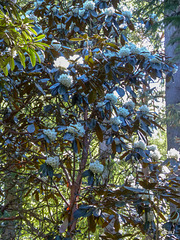
The garden at Blackhills was started at the beginning of the 20th century by Thomas North Christie, a retired tea planter, who eagerly took advantage of the many new species of rhododendron that were being discovered in remote mountainous regions of Tibet and China. Thomas Christie grew plants from many other genera including meconopsis, primula and gentian, but it was the rhododendrons that proved outstandingly successful, thriving on the thin layer of peaty soil that covers the sides of the valleys. Although the soil is poor compared to nutrient-rich garden soil, the rhododendrons seem to need no extra fertiliser or plant food. From the beginning, the garden was planned as an informal, wild garden - harmony with nature being the keynote. Once established, the rhododendrons have needed remarkably little assistance from the gardener - no pruning and only a little weeding. Just how happy they are can be judged by the large numbers of naturally regenerated seedlings growing next to, and on, the paths.
RHODODENDRON SPECIES
There are about 360 different rhododendron species growing at Blackhills, all of wild origin, the majority were collected in the Himalayas but there are also many from North America, Central Asia and Northern Europe. About half the species were planted between 1920 and 1935, the remainder having been added in the past twenty years by Thomas Christie's successors. Blackhills Garden now contains one of the finest and most extensive private collections of species rhododendrons in the world.

LR-1040976

LR-1040975
LR-1040974
LR-1040973
LR-1040970
| 12 May 2019 |
|
The garden at Blackhills was started at the beginning of the 20th century by Thomas North Christie, a retired tea planter, who eagerly took advantage of the many new species of rhododendron that were being discovered in remote mountainous regions of Tibet and China. Thomas Christie grew plants from many other genera including meconopsis, primula and gentian, but it was the rhododendrons that proved outstandingly successful, thriving on the thin layer of peaty soil that covers the sides of the valleys. Although the soil is poor compared to nutrient-rich garden soil, the rhododendrons seem to need no extra fertiliser or plant food. From the beginning, the garden was planned as an informal, wild garden - harmony with nature being the keynote. Once established, the rhododendrons have needed remarkably little assistance from the gardener - no pruning and only a little weeding. Just how happy they are can be judged by the large numbers of naturally regenerated seedlings growing next to, and on, the paths.
RHODODENDRON SPECIES
There are about 360 different rhododendron species growing at Blackhills, all of wild origin, the majority were collected in the Himalayas but there are also many from North America, Central Asia and Northern Europe. About half the species were planted between 1920 and 1935, the remainder having been added in the past twenty years by Thomas Christie's successors. Blackhills Garden now contains one of the finest and most extensive private collections of species rhododendrons in the world.
LR-1040969
| 12 May 2019 |
|
The garden at Blackhills was started at the beginning of the 20th century by Thomas North Christie, a retired tea planter, who eagerly took advantage of the many new species of rhododendron that were being discovered in remote mountainous regions of Tibet and China. Thomas Christie grew plants from many other genera including meconopsis, primula and gentian, but it was the rhododendrons that proved outstandingly successful, thriving on the thin layer of peaty soil that covers the sides of the valleys. Although the soil is poor compared to nutrient-rich garden soil, the rhododendrons seem to need no extra fertiliser or plant food. From the beginning, the garden was planned as an informal, wild garden - harmony with nature being the keynote. Once established, the rhododendrons have needed remarkably little assistance from the gardener - no pruning and only a little weeding. Just how happy they are can be judged by the large numbers of naturally regenerated seedlings growing next to, and on, the paths.
RHODODENDRON SPECIES
There are about 360 different rhododendron species growing at Blackhills, all of wild origin, the majority were collected in the Himalayas but there are also many from North America, Central Asia and Northern Europe. About half the species were planted between 1920 and 1935, the remainder having been added in the past twenty years by Thomas Christie's successors. Blackhills Garden now contains one of the finest and most extensive private collections of species rhododendrons in the world.
LR-1040968
| 12 May 2019 |
|
The garden at Blackhills was started at the beginning of the 20th century by Thomas North Christie, a retired tea planter, who eagerly took advantage of the many new species of rhododendron that were being discovered in remote mountainous regions of Tibet and China. Thomas Christie grew plants from many other genera including meconopsis, primula and gentian, but it was the rhododendrons that proved outstandingly successful, thriving on the thin layer of peaty soil that covers the sides of the valleys. Although the soil is poor compared to nutrient-rich garden soil, the rhododendrons seem to need no extra fertiliser or plant food. From the beginning, the garden was planned as an informal, wild garden - harmony with nature being the keynote. Once established, the rhododendrons have needed remarkably little assistance from the gardener - no pruning and only a little weeding. Just how happy they are can be judged by the large numbers of naturally regenerated seedlings growing next to, and on, the paths.
RHODODENDRON SPECIES
There are about 360 different rhododendron species growing at Blackhills, all of wild origin, the majority were collected in the Himalayas but there are also many from North America, Central Asia and Northern Europe. About half the species were planted between 1920 and 1935, the remainder having been added in the past twenty years by Thomas Christie's successors. Blackhills Garden now contains one of the finest and most extensive private collections of species rhododendrons in the world.
LR-1040967
| 12 May 2019 |
|
The garden at Blackhills was started at the beginning of the 20th century by Thomas North Christie, a retired tea planter, who eagerly took advantage of the many new species of rhododendron that were being discovered in remote mountainous regions of Tibet and China. Thomas Christie grew plants from many other genera including meconopsis, primula and gentian, but it was the rhododendrons that proved outstandingly successful, thriving on the thin layer of peaty soil that covers the sides of the valleys. Although the soil is poor compared to nutrient-rich garden soil, the rhododendrons seem to need no extra fertiliser or plant food. From the beginning, the garden was planned as an informal, wild garden - harmony with nature being the keynote. Once established, the rhododendrons have needed remarkably little assistance from the gardener - no pruning and only a little weeding. Just how happy they are can be judged by the large numbers of naturally regenerated seedlings growing next to, and on, the paths.
RHODODENDRON SPECIES
There are about 360 different rhododendron species growing at Blackhills, all of wild origin, the majority were collected in the Himalayas but there are also many from North America, Central Asia and Northern Europe. About half the species were planted between 1920 and 1935, the remainder having been added in the past twenty years by Thomas Christie's successors. Blackhills Garden now contains one of the finest and most extensive private collections of species rhododendrons in the world.
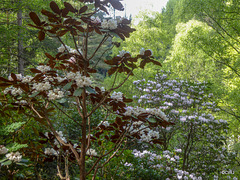
LR-1040965
| 12 May 2019 |
|
The garden at Blackhills was started at the beginning of the 20th century by Thomas North Christie, a retired tea planter, who eagerly took advantage of the many new species of rhododendron that were being discovered in remote mountainous regions of Tibet and China. Thomas Christie grew plants from many other genera including meconopsis, primula and gentian, but it was the rhododendrons that proved outstandingly successful, thriving on the thin layer of peaty soil that covers the sides of the valleys. Although the soil is poor compared to nutrient-rich garden soil, the rhododendrons seem to need no extra fertiliser or plant food. From the beginning, the garden was planned as an informal, wild garden - harmony with nature being the keynote. Once established, the rhododendrons have needed remarkably little assistance from the gardener - no pruning and only a little weeding. Just how happy they are can be judged by the large numbers of naturally regenerated seedlings growing next to, and on, the paths.
RHODODENDRON SPECIES
There are about 360 different rhododendron species growing at Blackhills, all of wild origin, the majority were collected in the Himalayas but there are also many from North America, Central Asia and Northern Europe. About half the species were planted between 1920 and 1935, the remainder having been added in the past twenty years by Thomas Christie's successors. Blackhills Garden now contains one of the finest and most extensive private collections of species rhododendrons in the world.
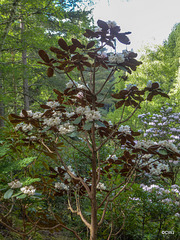
LR-1040964
| 12 May 2019 |
|
The garden at Blackhills was started at the beginning of the 20th century by Thomas North Christie, a retired tea planter, who eagerly took advantage of the many new species of rhododendron that were being discovered in remote mountainous regions of Tibet and China. Thomas Christie grew plants from many other genera including meconopsis, primula and gentian, but it was the rhododendrons that proved outstandingly successful, thriving on the thin layer of peaty soil that covers the sides of the valleys. Although the soil is poor compared to nutrient-rich garden soil, the rhododendrons seem to need no extra fertiliser or plant food. From the beginning, the garden was planned as an informal, wild garden - harmony with nature being the keynote. Once established, the rhododendrons have needed remarkably little assistance from the gardener - no pruning and only a little weeding. Just how happy they are can be judged by the large numbers of naturally regenerated seedlings growing next to, and on, the paths.
RHODODENDRON SPECIES
There are about 360 different rhododendron species growing at Blackhills, all of wild origin, the majority were collected in the Himalayas but there are also many from North America, Central Asia and Northern Europe. About half the species were planted between 1920 and 1935, the remainder having been added in the past twenty years by Thomas Christie's successors. Blackhills Garden now contains one of the finest and most extensive private collections of species rhododendrons in the world.
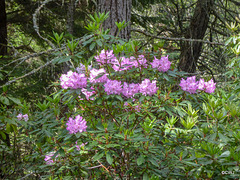
LR-1040963
| 12 May 2019 |
|
The garden at Blackhills was started at the beginning of the 20th century by Thomas North Christie, a retired tea planter, who eagerly took advantage of the many new species of rhododendron that were being discovered in remote mountainous regions of Tibet and China. Thomas Christie grew plants from many other genera including meconopsis, primula and gentian, but it was the rhododendrons that proved outstandingly successful, thriving on the thin layer of peaty soil that covers the sides of the valleys. Although the soil is poor compared to nutrient-rich garden soil, the rhododendrons seem to need no extra fertiliser or plant food. From the beginning, the garden was planned as an informal, wild garden - harmony with nature being the keynote. Once established, the rhododendrons have needed remarkably little assistance from the gardener - no pruning and only a little weeding. Just how happy they are can be judged by the large numbers of naturally regenerated seedlings growing next to, and on, the paths.
RHODODENDRON SPECIES
There are about 360 different rhododendron species growing at Blackhills, all of wild origin, the majority were collected in the Himalayas but there are also many from North America, Central Asia and Northern Europe. About half the species were planted between 1920 and 1935, the remainder having been added in the past twenty years by Thomas Christie's successors. Blackhills Garden now contains one of the finest and most extensive private collections of species rhododendrons in the world.
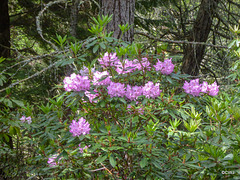
LR-1040962
| 12 May 2019 |
|
The garden at Blackhills was started at the beginning of the 20th century by Thomas North Christie, a retired tea planter, who eagerly took advantage of the many new species of rhododendron that were being discovered in remote mountainous regions of Tibet and China. Thomas Christie grew plants from many other genera including meconopsis, primula and gentian, but it was the rhododendrons that proved outstandingly successful, thriving on the thin layer of peaty soil that covers the sides of the valleys. Although the soil is poor compared to nutrient-rich garden soil, the rhododendrons seem to need no extra fertiliser or plant food. From the beginning, the garden was planned as an informal, wild garden - harmony with nature being the keynote. Once established, the rhododendrons have needed remarkably little assistance from the gardener - no pruning and only a little weeding. Just how happy they are can be judged by the large numbers of naturally regenerated seedlings growing next to, and on, the paths.
RHODODENDRON SPECIES
There are about 360 different rhododendron species growing at Blackhills, all of wild origin, the majority were collected in the Himalayas but there are also many from North America, Central Asia and Northern Europe. About half the species were planted between 1920 and 1935, the remainder having been added in the past twenty years by Thomas Christie's successors. Blackhills Garden now contains one of the finest and most extensive private collections of species rhododendrons in the world.
LR-1040961
| 12 May 2019 |
|
The garden at Blackhills was started at the beginning of the 20th century by Thomas North Christie, a retired tea planter, who eagerly took advantage of the many new species of rhododendron that were being discovered in remote mountainous regions of Tibet and China. Thomas Christie grew plants from many other genera including meconopsis, primula and gentian, but it was the rhododendrons that proved outstandingly successful, thriving on the thin layer of peaty soil that covers the sides of the valleys. Although the soil is poor compared to nutrient-rich garden soil, the rhododendrons seem to need no extra fertiliser or plant food. From the beginning, the garden was planned as an informal, wild garden - harmony with nature being the keynote. Once established, the rhododendrons have needed remarkably little assistance from the gardener - no pruning and only a little weeding. Just how happy they are can be judged by the large numbers of naturally regenerated seedlings growing next to, and on, the paths.
RHODODENDRON SPECIES
There are about 360 different rhododendron species growing at Blackhills, all of wild origin, the majority were collected in the Himalayas but there are also many from North America, Central Asia and Northern Europe. About half the species were planted between 1920 and 1935, the remainder having been added in the past twenty years by Thomas Christie's successors. Blackhills Garden now contains one of the finest and most extensive private collections of species rhododendrons in the world.
LR-1040960
| 12 May 2019 |
|
The garden at Blackhills was started at the beginning of the 20th century by Thomas North Christie, a retired tea planter, who eagerly took advantage of the many new species of rhododendron that were being discovered in remote mountainous regions of Tibet and China. Thomas Christie grew plants from many other genera including meconopsis, primula and gentian, but it was the rhododendrons that proved outstandingly successful, thriving on the thin layer of peaty soil that covers the sides of the valleys. Although the soil is poor compared to nutrient-rich garden soil, the rhododendrons seem to need no extra fertiliser or plant food. From the beginning, the garden was planned as an informal, wild garden - harmony with nature being the keynote. Once established, the rhododendrons have needed remarkably little assistance from the gardener - no pruning and only a little weeding. Just how happy they are can be judged by the large numbers of naturally regenerated seedlings growing next to, and on, the paths.
RHODODENDRON SPECIES
There are about 360 different rhododendron species growing at Blackhills, all of wild origin, the majority were collected in the Himalayas but there are also many from North America, Central Asia and Northern Europe. About half the species were planted between 1920 and 1935, the remainder having been added in the past twenty years by Thomas Christie's successors. Blackhills Garden now contains one of the finest and most extensive private collections of species rhododendrons in the world.
Jump to top
RSS feed- Coldwaterjohn's latest photos with "Blackhills May 2019" - Photos
- ipernity © 2007-2026
- Help & Contact
|
Club news
|
About ipernity
|
History |
ipernity Club & Prices |
Guide of good conduct
Donate | Group guidelines | Privacy policy | Terms of use | Statutes | In memoria -
Facebook
X
