

Doug Shepherd's photos with the keyword: Window
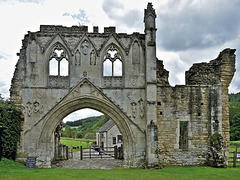
Kirkham Priory Gatehouse Exterior
| 14 Jul 2019 |
|
|
The decorated exterior wall of the gatehouse viewed from the north
The great gatehouse formed the main entrance into the priory and was built in about 1320 to 1340 and rebuilt in the 13th century. It has a wide carriage arch, surmounted by a very decorative pointed gable around which is ranged a series of figures and shields bearing the arms of the noble patrons with which the priory was associated. Originally, the figures and the shields would have been painted.
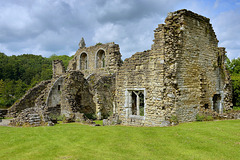
Kirkham Priory Gatehouse 2
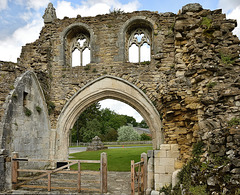
Kirkham Priory Gatehouse 1
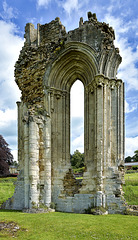
East Window Kirkham Priory
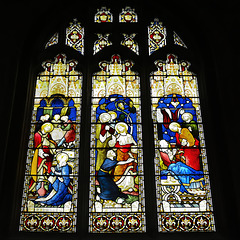
St. Mary's Parish Church, Beverley - Stained Glass…
| 19 Jun 2019 |
|
|
|
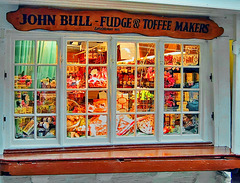
Sweet view, The Shambles, York, England
| 28 Jun 2017 |
|
|
|
Shambles (also known as 'The Shambles') is a bustling centre piece of historic York. The street today is one of the UK's most visited and has become a wealth of shopping, tourist attractions, restaurants and many other things to see and do, including tours, ghost walks and historic talks. If you want to know York, you need to know Shambles.
The way that fifteenth century buildings lean into the middle of the cobbled street means that the roofs almost touch in the middle. Mentioned in the Domesday book (making it date over 900 years), we know Shambles to be York 's oldest street, and Europe's best preserved Medieval street. It really is a very special place.
The word Shambles originates from the Medieval word Shamel, which meant booth or bench. It was once also referred to as Flesshammel, a word with meaning around flesh; this is because Shambles was historically a street of butchers shops and houses. Records state that in 1872 there were 26 butchers on the street. The last butcher to trade on Shambles was at number 27 of the name Dewhurst.
Livestock was slaughtered on Shambles also, the meat was served over what are now the shop window bottoms, and these were originally the Shamels.
It is also interesting to notice the way the pavements on either side of the street are raised up, this was done to create a channel which the butchers would wash away their waste through; offal and blood would gush down Shambles twice weekly.

Raindrops on a window at sunset
Jump to top
RSS feed- Doug Shepherd's latest photos with "Window" - Photos
- ipernity © 2007-2025
- Help & Contact
|
Club news
|
About ipernity
|
History |
ipernity Club & Prices |
Guide of good conduct
Donate | Group guidelines | Privacy policy | Terms of use | Statutes | In memoria -
Facebook
X
