

Martin M. Miles' photos with the keyword: Saint-Fris
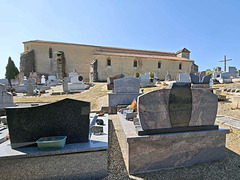
Bassoues - Basilique Saint-Fris
| 04 Dec 2025 |
|
|
Saint Fris, son of Duke Rabbod of Friesland and nephew of Charles Martel, raised his banner to gather the Franks, after being defeated by the Saracens near the village of Lupiac. The Franks once again confronted the enemy troops not far from Bassoues and this time emerged victorious. The courage of Saint Fris earned him fame. However, struck by a fatal arrow, he died and his body was hastily buried. It was rediscovered two hundred years later, in the 10th century by shepherds. A church was built over his tomb and the fame of the saint and the “miracles” attributed to him attracted many pilgrims to the Via Tolosana on the Chemin de Saint Jacques.
The basilica was enlarged in 1520 by the Archbishop of Auch. In 1569, during the Huguenot Wars, the buildings were set on fire by Montgomery's troops. The ruins were rebuilt in 1623. Further destruction followed in 1793, when the saint's shrine was broken into and its contents scattered. The villagers were able to recover some of them. The city council ordered the demolition of the basilica. The statues were burned, and only part of Saint Fris's head could be saved. The tomb was used as a watering place for cattle from a neighboring farm. From 1847 to 1855, the basilica was restored. The remaining relics were recovered and in 1888 The basilica was reconsecrated.
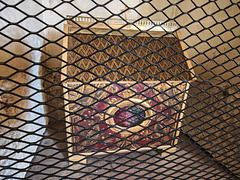
Bassoues - Basilique Saint-Fris
| 04 Dec 2025 |
|
|
Saint Fris, son of Duke Rabbod of Friesland and nephew of Charles Martel, raised his banner to gather the Franks, after being defeated by the Saracens near the village of Lupiac. The Franks once again confronted the enemy troops not far from Bassoues and this time emerged victorious. The courage of Saint Fris earned him fame. However, struck by a fatal arrow, he died and his body was hastily buried. It was rediscovered two hundred years later, in the 10th century by shepherds. A church was built over his tomb and the fame of the saint and the “miracles” attributed to him attracted many pilgrims to the Via Tolosana on the Chemin de Saint Jacques.
The basilica was enlarged in 1520 by the Archbishop of Auch. In 1569, during the Huguenot Wars, the buildings were set on fire by Montgomery's troops. The ruins were rebuilt in 1623. Further destruction followed in 1793, when the saint's shrine was broken into and its contents scattered. The villagers were able to recover some of them. The city council ordered the demolition of the basilica. The statues were burned, and only part of Saint Fris's head could be saved. The tomb was used as a watering place for cattle from a neighboring farm. From 1847 to 1855, the basilica was restored. The remaining relics were recovered and in 1888 The basilica was reconsecrated.
The reliquary in the crypt contains the relics of Saint Fris.
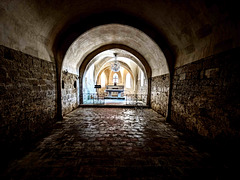
Bassoues - Basilique Saint-Fris
| 04 Dec 2025 |
|
|
Saint Fris, son of Duke Rabbod of Friesland and nephew of Charles Martel, raised his banner to gather the Franks, after being defeated by the Saracens near the village of Lupiac. The Franks once again confronted the enemy troops not far from Bassoues and this time emerged victorious. The courage of Saint Fris earned him fame. However, struck by a fatal arrow, he died and his body was hastily buried. It was rediscovered two hundred years later, in the 10th century by shepherds. A church was built over his tomb and the fame of the saint and the “miracles” attributed to him attracted many pilgrims to the Via Tolosana on the Chemin de Saint Jacques.
The basilica was enlarged in 1520 by the Archbishop of Auch. In 1569, during the Huguenot Wars, the buildings were set on fire by Montgomery's troops. The ruins were rebuilt in 1623. Further destruction followed in 1793, when the saint's shrine was broken into and its contents scattered. The villagers were able to recover some of them. The city council ordered the demolition of the basilica. The statues were burned, and only part of Saint Fris's head could be saved. The tomb was used as a watering place for cattle from a neighboring farm. From 1847 to 1855, the basilica was restored. The remaining relics were recovered and in 1888 The basilica was reconsecrated.
The crypt remained miraculously unharmed over the centuries.

Bassoues - Basilique Saint-Fris
| 04 Dec 2025 |
|
|
Saint Fris, son of Duke Rabbod of Friesland and nephew of Charles Martel, raised his banner to gather the Franks, after being defeated by the Saracens near the village of Lupiac. The Franks once again confronted the enemy troops not far from Bassoues and this time emerged victorious. The courage of Saint Fris earned him fame. However, struck by a fatal arrow, he died and his body was hastily buried. It was rediscovered two hundred years later, in the 10th century by shepherds. A church was built over his tomb and the fame of the saint and the “miracles” attributed to him attracted many pilgrims to the Via Tolosana on the Chemin de Saint Jacques.
The basilica was enlarged in 1520 by the Archbishop of Auch. In 1569, during the Huguenot Wars, the buildings were set on fire by Montgomery's troops. The ruins were rebuilt in 1623. Further destruction followed in 1793, when the saint's shrine was broken into and its contents scattered. The villagers were able to recover some of them. The city council ordered the demolition of the basilica. The statues were burned, and only part of Saint Fris's head could be saved. The tomb was used as a watering place for cattle from a neighboring farm. From 1847 to 1855, the basilica was restored. The remaining relics were recovered and in 1888 The basilica was reconsecrated.

Bassoues - Basilique Saint-Fris
| 04 Dec 2025 |
|
|
Saint Fris, son of Duke Rabbod of Friesland and nephew of Charles Martel, raised his banner to gather the Franks, after being defeated by the Saracens near the village of Lupiac. The Franks once again confronted the enemy troops not far from Bassoues and this time emerged victorious. The courage of Saint Fris earned him fame. However, struck by a fatal arrow, he died and his body was hastily buried. It was rediscovered two hundred years later, in the 10th century by shepherds. A church was built over his tomb and the fame of the saint and the “miracles” attributed to him attracted many pilgrims to the Via Tolosana on the Chemin de Saint Jacques.
Saint Fris, as a knight on horseback above the portal

Bassoues - Basilique Saint-Fris
| 04 Dec 2025 |
|
|
Saint Fris, son of Duke Rabbod of Friesland and nephew of Charles Martel, raised his banner to gather the Franks, after being defeated by the Saracens near the village of Lupiac. The Franks once again confronted the enemy troops not far from Bassoues and this time emerged victorious. The courage of Saint Fris earned him fame. However, struck by a fatal arrow, he died and his body was hastily buried. It was rediscovered two hundred years later, in the 10th century by shepherds. A church was built over his tomb and the fame of the saint and the “miracles” attributed to him attracted many pilgrims to the Via Tolosana on the Chemin de Saint Jacques.
Jump to top
RSS feed- Martin M. Miles' latest photos with "Saint-Fris" - Photos
- ipernity © 2007-2026
- Help & Contact
|
Club news
|
About ipernity
|
History |
ipernity Club & Prices |
Guide of good conduct
Donate | Group guidelines | Privacy policy | Terms of use | Statutes | In memoria -
Facebook
X
