

Martin M. Miles' photos with the keyword: Ringoot II

Dendermonde - Onze Lieve Vrouwekerk
| 01 Sep 2025 |
|
Towards the end of the Frankish period, a settlement was established here, later another followed in the shadow of a castle built by Emperor Otto II in the second half of the 10th century. The name Dendermonde is first mentioned in a document from 1087. In 1223, a Cistercian abbey was founded, and in 1233, Robrecht van Bethune granted Dendermonde city rights. As early as the 13th century, Dendermonde was a walled and ramparted city.
It is believed that Ringoot II, Lord of Dendermonde, had the church built in the 11th century. Numerous alterations were made from the 13th to the 16th centuries. The most important parts are built in the Scheldt Gothic style. The octagonal tower at the crossing dates from 1388.
After its destruction during the Calvinist period (1578-1584), new furniture was installed. In the 19th and early 20th centuries, various parts of the church were rebuilt, some in the Neo-Gothic style.
Bicycles are highly valued in the Netherlands and here in Belgium. They are an important cultural asset

Dendermonde - Onze Lieve Vrouwekerk
| 01 Sep 2025 |
|
Towards the end of the Frankish period, a settlement was established here, later another followed in the shadow of a castle built by Emperor Otto II in the second half of the 10th century. The name Dendermonde is first mentioned in a document from 1087. In 1223, a Cistercian abbey was founded, and in 1233, Robrecht van Bethune granted Dendermonde city rights. As early as the 13th century, Dendermonde was a walled and ramparted city.
It is believed that Ringoot II, Lord of Dendermonde, had the church built in the 11th century. Numerous alterations were made from the 13th to the 16th centuries. The most important parts are built in the Scheldt Gothic style. The octagonal tower at the crossing dates from 1388.
After its destruction during the Calvinist period (1578-1584), new furniture was installed. In the 19th and early 20th centuries, various parts of the church were rebuilt, some in the Neo-Gothic style.
Mise au tombeau
The baroque putti in the foreground hold the "Arma Christi"

Dendermonde - Onze Lieve Vrouwekerk
| 01 Sep 2025 |
|
Towards the end of the Frankish period, a settlement was established here, later another followed in the shadow of a castle built by Emperor Otto II in the second half of the 10th century. The name Dendermonde is first mentioned in a document from 1087. In 1223, a Cistercian abbey was founded, and in 1233, Robrecht van Bethune granted Dendermonde city rights. As early as the 13th century, Dendermonde was a walled and ramparted city.
It is believed that Ringoot II, Lord of Dendermonde, had the church built in the 11th century. Numerous alterations were made from the 13th to the 16th centuries. The most important parts are built in the Scheldt Gothic style. The octagonal tower at the crossing dates from 1388.
After its destruction during the Calvinist period (1578-1584), new furniture was installed. In the 19th and early 20th centuries, various parts of the church were rebuilt, some in the Neo-Gothic style.

Dendermonde - Onze Lieve Vrouwekerk
| 01 Sep 2025 |
|
Towards the end of the Frankish period, a settlement was established here, later another followed in the shadow of a castle built by Emperor Otto II in the second half of the 10th century. The name Dendermonde is first mentioned in a document from 1087. In 1223, a Cistercian abbey was founded, and in 1233, Robrecht van Bethune granted Dendermonde city rights. As early as the 13th century, Dendermonde was a walled and ramparted city.
It is believed that Ringoot II, Lord of Dendermonde, had the church built in the 11th century. Numerous alterations were made from the 13th to the 16th centuries. The most important parts are built in the Scheldt Gothic style. The octagonal tower at the crossing dates from 1388.
After its destruction during the Calvinist period (1578-1584), new furniture was installed. In the 19th and early 20th centuries, various parts of the church were rebuilt, some in the Neo-Gothic style.
The baptismal font in Dendermonde dates from the second half of the 12th century and originates from the predecessor building of the present church. It is one of the finest examples of the fonts, that were made in Tournai during the 12th and early 13th centuries.
This frieze depicts the "Conversion of Paul the Apostle". To the right Petrus (key) and behind him the "New Jerusalem".

Dendermonde - Onze Lieve Vrouwekerk
| 31 Aug 2025 |
|
Towards the end of the Frankish period, a settlement was established here, later another followed in the shadow of a castle built by Emperor Otto II in the second half of the 10th century. The name Dendermonde is first mentioned in a document from 1087. In 1223, a Cistercian abbey was founded, and in 1233, Robrecht van Bethune granted Dendermonde city rights. As early as the 13th century, Dendermonde was a walled and ramparted city.
It is believed that Ringoot II, Lord of Dendermonde, had the church built in the 11th century. Numerous alterations were made from the 13th to the 16th centuries. The most important parts are built in the Scheldt Gothic style. The octagonal tower at the crossing dates from 1388.
After its destruction during the Calvinist period (1578-1584), new furniture was installed. In the 19th and early 20th centuries, various parts of the church were rebuilt, some in the Neo-Gothic style.
The baptismal font in Dendermonde dates from the second half of the 12th century and originates from the predecessor building of the present church. It is one of the finest examples of the fonts, that were made in Tournai during the 12th and early 13th centuries.
The Lamb of God flanked by doves symbolize good

Dendermonde - Onze Lieve Vrouwekerk
| 31 Aug 2025 |
|
Towards the end of the Frankish period, a settlement was established here, later another followed in the shadow of a castle built by Emperor Otto II in the second half of the 10th century. The name Dendermonde is first mentioned in a document from 1087. In 1223, a Cistercian abbey was founded, and in 1233, Robrecht van Bethune granted Dendermonde city rights. As early as the 13th century, Dendermonde was a walled and ramparted city.
It is believed that Ringoot II, Lord of Dendermonde, had the church built in the 11th century. Numerous alterations were made from the 13th to the 16th centuries. The most important parts are built in the Scheldt Gothic style. The octagonal tower at the crossing dates from 1388.
After its destruction during the Calvinist period (1578-1584), new furniture was installed. In the 19th and early 20th centuries, various parts of the church were rebuilt, some in the Neo-Gothic style.
The baptismal font in Dendermonde dates from the second half of the 12th century and originates from the predecessor building of the present church. It is one of the finest examples of the fonts, that were made in Tournai during the 12th and early 13th centuries.
Three teeth-baring griffins symbolize evil.
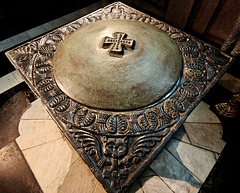
Dendermonde - Onze Lieve Vrouwekerk
| 31 Aug 2025 |
|
Towards the end of the Frankish period, a settlement was established here, later another followed in the shadow of a castle built by Emperor Otto II in the second half of the 10th century. The name Dendermonde is first mentioned in a document from 1087. In 1223, a Cistercian abbey was founded, and in 1233, Robrecht van Bethune granted Dendermonde city rights. As early as the 13th century, Dendermonde was a walled and ramparted city.
It is believed that Ringoot II, Lord of Dendermonde, had the church built in the 11th century. Numerous alterations were made from the 13th to the 16th centuries. The most important parts are built in the Scheldt Gothic style. The octagonal tower at the crossing dates from 1388.
After its destruction during the Calvinist period (1578-1584), new furniture was installed. In the 19th and early 20th centuries, various parts of the church were rebuilt, some in the Neo-Gothic style.
The baptismal font in Dendermonde dates from the second half of the 12th century and originates from the predecessor building of the present church. It is one of the finest examples of the fonts, that were made in Tournai during the 12th and early 13th centuries.
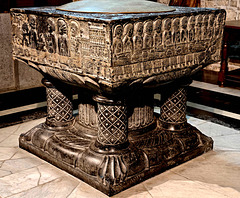
Dendermonde - Onze Lieve Vrouwekerk
| 30 Aug 2025 |
|
|
Towards the end of the Frankish period, a settlement was established here, later another followed in the shadow of a castle built by Emperor Otto II in the second half of the 10th century. The name Dendermonde is first mentioned in a document from 1087. In 1223, a Cistercian abbey was founded, and in 1233, Robrecht van Bethune granted Dendermonde city rights. As early as the 13th century, Dendermonde was a walled and ramparted city.
It is believed that Ringoot II, Lord of Dendermonde, had the church built in the 11th century. Numerous alterations were made from the 13th to the 16th centuries. The most important parts are built in the Scheldt Gothic style. The octagonal tower at the crossing dates from 1388.
After its destruction during the Calvinist period (1578-1584), new furniture was installed. In the 19th and early 20th centuries, various parts of the church were rebuilt, some in the Neo-Gothic style.
The baptismal font in Dendermonde dates from the second half of the 12th century and originates from the predecessor building of the present church. It is one of the finest examples of the fonts, that were made in Tournai during the 12th and early 13th centuries.

Dendermonde - Onze Lieve Vrouwekerk
| 30 Aug 2025 |
|
|
|
Towards the end of the Frankish period, a settlement was established here, later another followed in the shadow of a castle built by Emperor Otto II in the second half of the 10th century. The name Dendermonde is first mentioned in a document from 1087. In 1223, a Cistercian abbey was founded, and in 1233, Robrecht van Bethune granted Dendermonde city rights. As early as the 13th century, Dendermonde was a walled and ramparted city.
It is believed that Ringoot II, Lord of Dendermonde, had the church built in the 11th century. Numerous alterations were made from the 13th to the 16th centuries. The most important parts are built in the Scheldt Gothic style. The octagonal tower at the crossing dates from 1388.
After its destruction during the Calvinist period (1578-1584), new furniture was installed. In the 19th and early 20th centuries, various parts of the church were rebuilt, some in the Neo-Gothic style.
Jump to top
RSS feed- Martin M. Miles' latest photos with "Ringoot II" - Photos
- ipernity © 2007-2026
- Help & Contact
|
Club news
|
About ipernity
|
History |
ipernity Club & Prices |
Guide of good conduct
Donate | Group guidelines | Privacy policy | Terms of use | Statutes | In memoria -
Facebook
X
