

Martin M. Miles' photos with the keyword: Alphonse de Poitiers
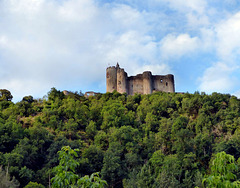
Najac - Château de Najac
| 17 Mar 2021 |
|
|
Najac is set along a ridge above a bend in the Aveyron River. Najac was founded as one of the five bastides of (historic) Rouergue. Today Najac only has a population of about 700, but over the summer months there are many tourists, as Najac is one of the "Plus beaux villages de France" - the "most beautiful villages in France".
The Château de Najac, here seen from the valley floor, was built in 1253 on the orders of Alphonse de Poitiers, brother of Saint Louis, on the site of an older castle. The Knights Templar were once imprisoned here.
Possession of this castle, built 200 meters over the river Aveyron, was key to control of the region.
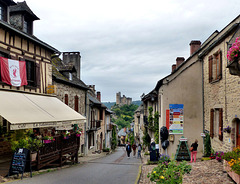
Najac - Château de Najac
| 17 Mar 2021 |
|
|
Najac is set along a ridge above a bend in the Aveyron River. Najac was founded as one of the five bastides of (historic) Rouergue. The "faubourg" has the typical architecture of many bastide villages with timber-framed houses and commercial arcades around an open area. Today Najac only has a population of about 700, but over the summer months there are many tourists, as Najac is one of the "Plus beaux villages de France" - the "most beautiful villages in France",
The Château de Najac was built in 1253 on the orders of Alphonse de Poitiers, brother of Saint Louis, on the site of an older castle, built in 1100. The Knights Templar were once imprisoned here.
Possession of this castle, built 200 meters over the river Aveyron, was key to control of the region. After having been used as a stone quarry in the 19th century, the castle went into private ownership and by now is open to the public.

Villefranche-de-Lauragais - Notre-Dame de l'Assomp…
| 30 Oct 2012 |
|
After that pleasant walk down the Rigole, the Via Tolosana now for a while run parallel to the motorway A61 ("Autoroute des Deux Mers"), a very noisy experience. I stopped in Villefranche-de-Lauragais, a bastide once founded by Alphonse de Poitiers, brother of Saint Louis. The fortified, gothic church "Notre-Dame de l'Assomption", seen here, was built after the cruisade against the Cathars.
Jump to top
RSS feed- Martin M. Miles' latest photos with "Alphonse de Poitiers" - Photos
- ipernity © 2007-2026
- Help & Contact
|
Club news
|
About ipernity
|
History |
ipernity Club & Prices |
Guide of good conduct
Donate | Group guidelines | Privacy policy | Terms of use | Statutes | In memoria -
Facebook
X
