

Xata's photos
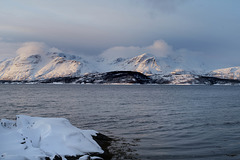
Lapland, Norway
| |
|
|
|
An early morning view from where I stayed, light and weather conditions changed all the time from this to what I showed yesterday and even worse. But nevertheless I was delighted!
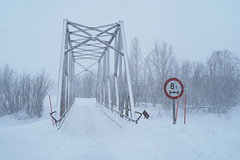
Lapland, Snowing
| |
|
|
|
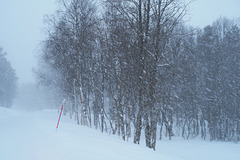
Lapland, Snowing
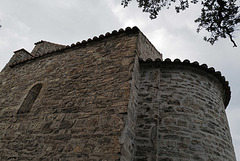
Nostra Senyora del Roure
| |
|
|
|
UNFORTUNATELY ALSO CLOSED, AS MOST OF THEM... THEFTS ARE ONE OF THE REASONS, VANDALISM IS THE OTHER.
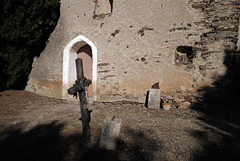
Fontcouverte, Pirinéus
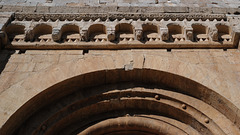
Esglesia Parroquial de Santa Cecilia, Molló

Oslo, Night-time
| |
|
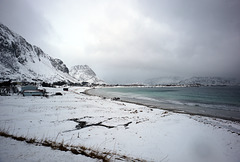
Lofoten, Norway
| |
|
|
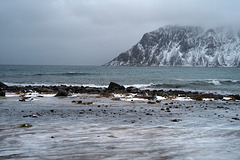
Lofoten, Norway
| |
|
|
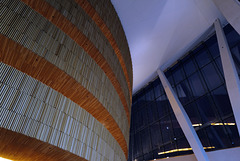
Oslo, Opera
| |
|
|
|
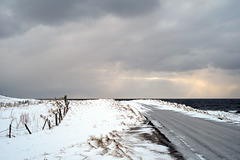
Lofoten, Borga Eggum
| |
|
|

Esglesia Parroquial de Santa Cecilia, Molló
| |
|
|
|
PIP ABOVE
In many ancient pre-Catholic traditions we find the serpent as guardian of sacred places. A troubling figure of Romanesque iconography, it possesses the versatility of its distant antecedents in the sacred art of ancient civilizations. It is not impossible that in Romanesque art it has retained its symbolism of the verticalization of the human and its unholy claim to divine privileges.
It is also a symbol of wisdom, of superior wisdom received from one or more gods.
At the time of Romanesque art, Celtic traditions were still alive and the artists who decorated the churches perpetuated this knowledge in cryptic form through symbols so that future generations could interpret them.
A form of fighting against the compulsory catholicization and the obliteration of the religions that preceded it.
++++
Dans beaucoup d'anciennes traditions pré-catholiques nous trouvons le serpent comme gardien des lieux sacrés. Figure troublante de l'iconographie Romane, il possède la polyvalence de ses lointains antécédents de l'art sacré des anciennes civilisations. Il n'est pas impossibl qu'en art Roman il ait conservé son symbolisme de verticalization de l'humain et sa revendication impie de privilèges divins.
Il est aussi symbole de sagesse, d'une sagesse supérieure reçue d'un ou des dieux.
À l'époque de l'art Roman les traditions celtiques étaient encore vivaces et les artistes qui décoraient les églises ont fait perdurer cette connaissance de forme cryptique à travers des symboles pour que les générations futures puissent les interpréter.
Une forme de lutter contre la catholicization obligatoire et l'effacement des religions qui l'ont précédé.
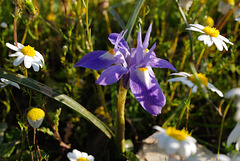
Gynandriris sisyrinchium, pé-de-brurro, maios-pequ…
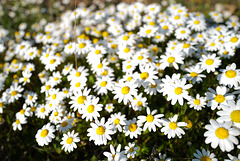
Chamaemelum fuscatum
| |
|
|
|
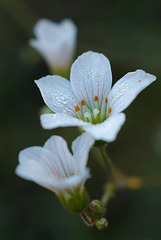
Saxifraga granulata, Quaresma
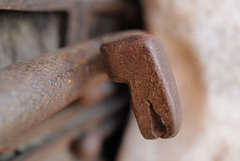
Església Sant Sadurní de Montesquiu d'Albera
| |
|
|
|
PIP ABOVE
In many ancient pre-Catholic traditions we find the serpent as guardian of sacred places. A troubling figure of Romanesque iconography, it possesses the versatility of its distant antecedents in the sacred art of ancient civilizations. It is not impossible that in Romanesque art it has retained its symbolism of the verticalization of the human and its unholy claim to divine privileges.
It is also a symbol of wisdom, of superior wisdom received from one or more gods.
At the time of Romanesque art, Celtic traditions were still alive and the artists who decorated the churches perpetuated this knowledge in cryptic form through symbols so that future generations could interpret them.
A form of fighting against the compulsory catholicization and the obliteration of the religions that preceded it.
++++
Dans beaucoup d'anciennes traditions pré-catholiques nous trouvons le serpent comme gardien des lieux sacrés. Figure troublante de l'iconographie Romane, il possède la polyvalence de ses lointains antécédents de l'art sacré des anciennes civilisations. Il n'est pas impossibl qu'en art Roman il ait conservé son symbolisme de verticalization de l'humain et sa revendication impie de privilèges divins.
Il est aussi symbole de sagesse, d'une sagesse supérieure reçue d'un ou des dieux.
À l'époque de l'art Roman les traditions celtiques étaient encore vivaces et les artistes qui décoraient les églises ont fait perdurer cette connaissance de forme cryptique à travers des symboles pour que les générations futures puissent les interpréter.
Une forme de lutter contre la catholicization obligatoire et l'effacement des religions qui l'ont précédé.

Cotlliure, Alive
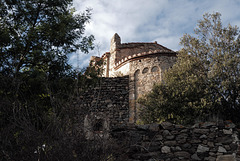
Església Nostra Senyora de les Grades, Marcèvol
| |
|
|
|
