

Stiffleaf's photos
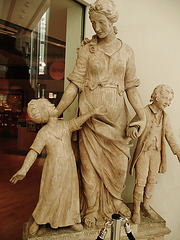
st.leonard's childrens' home, london
| |
|
this group of charity and her children originated from the home on kingsland road near st.leonard's church , shoreditch . it dates from c.1806 and is signed by the manufacturer van spangen and powell of mile end, competitors of coade's in the field of artificial stone statuary. they sold up in 1828, becoming part of austin and seeley on the new road. this statue moved with the home to hornchurch in the 1880s, and is now in hackney museum
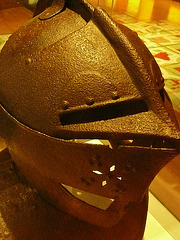
st.john's hackney helmet
| |
|
c16 funerary helm from hackney church , now in the museum. used for the memorial to a lord mayor, who died in 1715, it was made in the netherlands
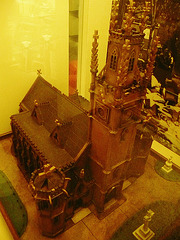
st.mary, haggerston, london
| |
|
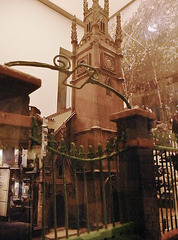
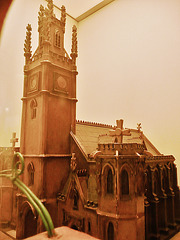
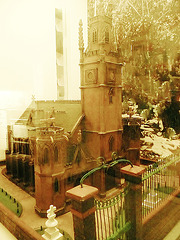
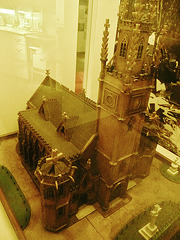
the church was built by nash in 1825-7, doubly rare as gothic. nash had proposed a centralised plan with a classic roman design in stone, but there was insufficient money to build it. there are stories to explain the height of the tower; nash is supposed to have told the builder to continue until told to stop, then forgot and went out of town; the other claimed that the builder was told to go on until he ran out of materials. the inside was victorianised by james brooks in c.1860, the pinnacles demolished in the 1930s, and the church bombed flat in 1941. this model remains in hackney museum
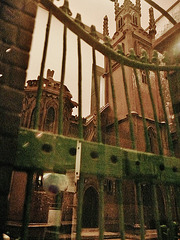
st.mary, haggerston, london
| |
|
the church was built by nash in 1825-7, doubly rare as gothic. nash had proposed a centralised plan with a classic roman design in stone, but there was insufficient money to build it. there are stories to explain the height of the tower; nash is supposed to have told the builder to continue until told to stop, then forgot and went out of town; the other claimed that the builder was told to go on until he ran out of materials. the inside was victorianised by james brooks in c.1860, the pinnacles demolished in the 1930s, and the church bombed flat in 1941. this model remains in hackney museum
st.mary, haggerston, london
| |
|
the church was built by nash in 1825-7, doubly rare as gothic. nash had proposed a centralised plan with a classic roman design in stone, but there was insufficient money to build it. there are stories to explain the height of the tower; nash is supposed to have told the builder to continue until told to stop, then forgot and went out of town; the other claimed that the builder was told to go on until he ran out of materials. the inside was victorianised by james brooks in c.1860, the pinnacles demolished in the 1930s, and the church bombed flat in 1941. this model remains in hackney museum
st.mary, haggerston, london
| |
|
the church was built by nash in 1825-7, doubly rare as gothic. nash had proposed a centralised plan with a classic roman design in stone, but there was insufficient money to build it. there are stories to explain the height of the tower; nash is supposed to have told the builder to continue until told to stop, then forgot and went out of town; the other claimed that the builder was told to go on until he ran out of materials. the inside was victorianised by james brooks in c.1860, the pinnacles demolished in the 1930s, and the church bombed flat in 1941. this model remains in hackney museum
st.mary, haggerston, london
| |
|
the church was built by nash in 1825-7, doubly rare as gothic. nash had proposed a centralised plan with a classic roman design in stone, but there was insufficient money to build it. there are stories to explain the height of the tower; nash is supposed to have told the builder to continue until told to stop, then forgot and went out of town; the other claimed that the builder was told to go on until he ran out of materials. the inside was victorianised by james brooks in c.1860, the pinnacles demolished in the 1930s, and the church bombed flat in 1941. this model remains in hackney museum
st.mary, haggerston, london
| |
|
the church was built by nash in 1825-7, doubly rare as gothic. nash had proposed a centralised plan with a classic roman design in stone, but there was insufficient money to build it. there are stories to explain the height of the tower; nash is supposed to have told the builder to continue until told to stop, then forgot and went out of town; the other claimed that the builder was told to go on until he ran out of materials. the inside was victorianised by james brooks in c.1860, the pinnacles demolished in the 1930s, and the church bombed flat in 1941. this model remains in hackney museum
st.john the theologian, mare st., hackney, london
| |
|
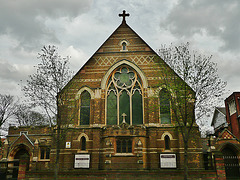
built for the catholic apostolic church in 1873 by john drake of rochester, this was one of their 7 churches in london overseen by an angel, replacing the chapel at bishopsgate. it is now used by a greek orthodox church.
st.john the theologian, mare st., hackney, london
| |
|
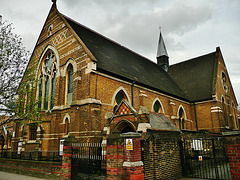
built for the catholic apostolic church in 1873 by john drake of rochester, this was one of their 7 churches in london overseen by an angel, replacing the chapel at bishopsgate. it is now used by a greek orthodox church.
london master bakers' benevolent institute
| |
|
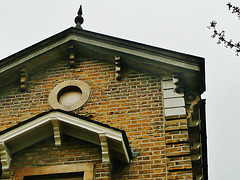
built in 1857 by t.knightley in an italianate style alien to italy , this open quadrangle of houses form a cosy enclave on lea bridge road in leyton, a great contrast to this rather run down area of east london
london master bakers' benevolent institute
| |
|
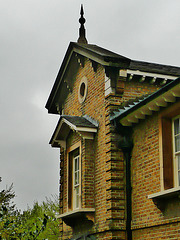
built in 1857 by t.knightley in an italianate style alien to italy , this quadrangle of houses form a cosy enclave on lea bridge road in leyton, a great contrast to this rather run down area of east london
london master bakers' benevolent institute
| |
|
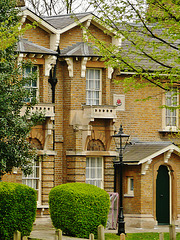
built in 1857 by t.knightley in an italianate style alien to italy , this quadrangle of houses form a cosy enclave on lea bridge road in leyton, a great contrast to this rather run down area of east london
london master bakers' benevolent institute
| |
|
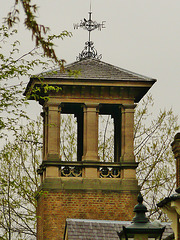
built in 1857 by t.knightley in an italianate style alien to italy , this quadrangle of houses form a cosy enclave on lea bridge road in leyton, a great contrast to this rather run down area of east london . this is one of two towers in the reentrant angles
london master bakers' benevolent institute
| |
|
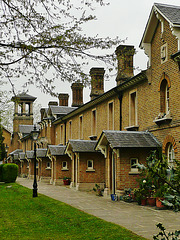
built in 1857 by t.knightley in an italianate style alien to italy , this quadrangle of houses form a cosy enclave on lea bridge road in leyton, a great contrast to this rather run down area of east london
london master bakers' benevolent institute
| |
|
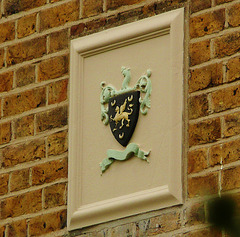
built in 1857 by t.knightley in an italianate style alien to italy , this quadrangle of houses form a cosy enclave on lea bridge road in leyton, a great contrast to this rather run down area of east london . this is one of several coats of arms on the houses
london master bakers' benevolent institute
| |
|
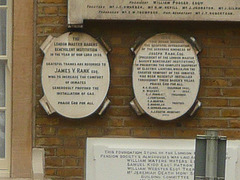
built in 1857 by t.knightley in an italianate style alien to italy , this quadrangle of houses form a cosy enclave on lea bridge road in leyton, a great contrast to this rather run down area of east london . these plaques commemorate the instalation of gas and electricity in the early c20
london master bakers' benevolent institute
| |
|
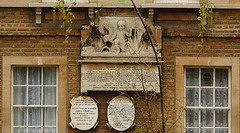
built in 1857 by t.knightley in an italianate style alien to italy , this quadrangle of houses form a cosy enclave on lea bridge road in leyton, a great contrast to this rather run down area of east london
