

Stiffleaf's photos

morwenstow church, cornwall
| |
|
beasts and birds in foliage from the c16 cornice of the original devon style rood screen, reused by rev.hawker when he rebuilt the screen in the mid c19

morwenstow church, cornwall

morwenstow church, cornwall

morwenstow church, cornwall

morwenstow church, cornwall
| |
|
the famous rev.hawker built his vicarage in the mid c19 with chimneys based on the towers of churches in which he had served

lincoln's inn, london
| |
|
there are four big oriel bays in the great hall of 1489-92, this is one of the southern pair added in 1583

lincoln's inn, london
| |
|
there are four big oriel bays in the great hall of 1489-92, this is one of the original two from the north end.

lincoln's inn, london
| |
|
there are four big oriel bays in the great hall of 1489-92, this is one of the original two from the north end.

lincoln's inn, london
| |
|
this is the great hall from the north east, built in 1489-92 and extended towards the south in 1583

lincoln's inn, london
| |
|
underneath the chapel are lots of memorials of dead benchers, this ledger remembers two men both called john thurleo; one died in 1724, the elder died 1667 and was secretary of state to the protector oliver cromwell

lincoln's inn, london
| |
|
underneath the chapel are lots of memorials of dead benchers, this moved tablet is on one of the open undercroft's piers, and is to marc hilsly, 1692
lincoln's inn, london
| |
|
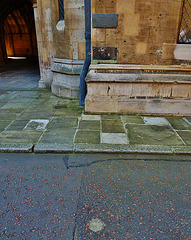
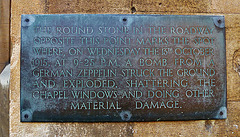
the plaque and roundel on the road mark the spot where the bomb fell from a zeppelin in WWI, damaging the glass in the chapel above severely
lincoln's inn, london
| |
|
the plaque and roundel on the road mark the spot where the bomb fell from a zeppelin in WWI, damaging the glass in the chapel above severely
ashwell church, herts.
ashwell church, herts.
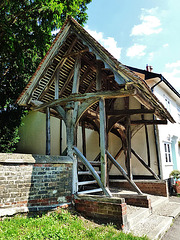
ashwell church, herts.
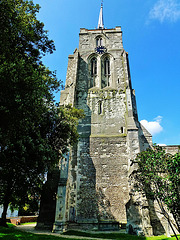
ashwell church, herts.
| |
|
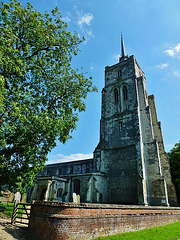
c14 tower, begun in the early c14, completed up to the first set of battlements- which can be seen buried in the walls- by the mid c14, then carried on up in the 1380s
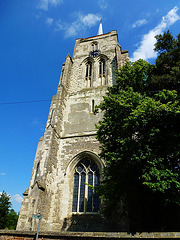
ashwell church, herts.
| |
|
c14 tower, begun in the early c14, completed up to the first set of battlements- which can be seen buried in the walls- by the mid c14, then carried on up in the 1380s
