

Leo W's favorite photos
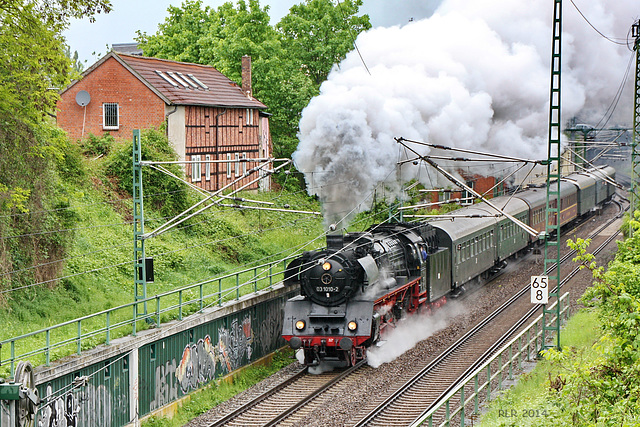

Schwerin, Ausfahrt des Sonderzuges mit der 03 1010-2
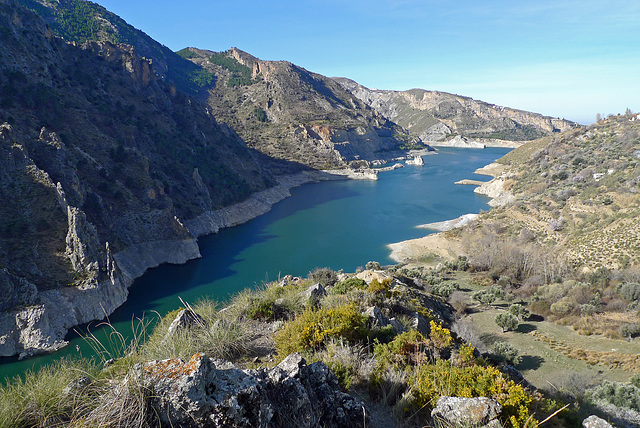
Spain - Andalusia, Embalse de Canales
Embalse de Canales ( Canales Reservoir) is a artificial lake of the Genil River. The reservoir is located in the foothills of the Sierra Nevada, east of Granada and nearby the mountain village of Güéjar Sierra (see: note).
The massive dam at the western end of the lake has a height of almost 160 metres and is 340 metres long.

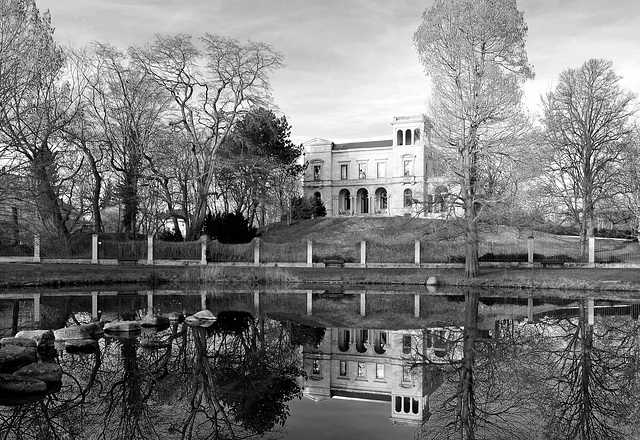
Villa Löbbecke
1880 ließ Alfred Löbbecke diese einzeln stehende Villa auf dem Inselwall in Braunschweig im Stil der Neorenaissance errichten.
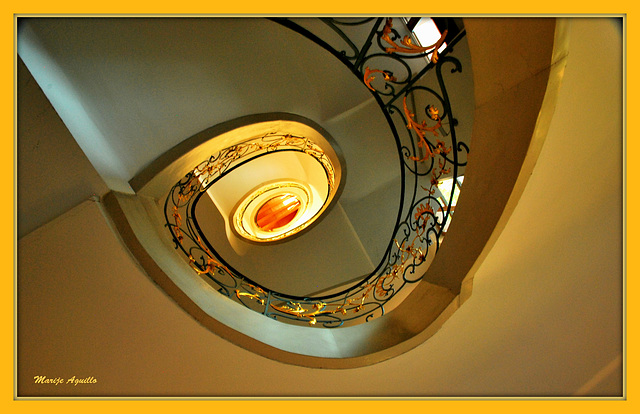
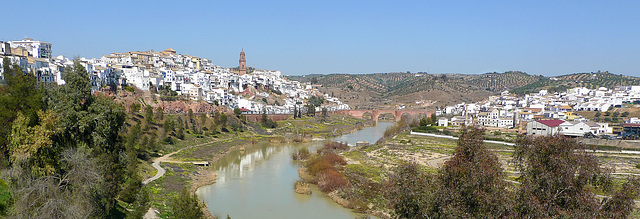
Spain - Andalusia, Montoro
Montoro is a typical Andalusian ‘pueblo blanco’ (white village) which is perched on a bluff above the Rio Guadalquivir with its whitewashed houses. It is a quite historical town, with an Iberian, Greek, Roman and Moslem past. In the Roman era the town was called Epora. It became an important fortified town under the Moors; after changing hands between Moorish and Castilian kingdoms the town was finally conquered by King Fernando III and became its present name Montoro.
Montoro offers some fine historical sights (churches and city hall) around or nearby the central square Plaza de España. Another emblematic sight is the bridge over the Guadalquivir, connecting the old town with the neighbourhood of El Retamar. Its construction began in 1498 and took more than fifty years. The women of Montoro donated their jewelry and goods to raise money for the construction. That is why it is known as ‘Puente de las Donadas or Puente de las Donadas (Bridge of Donations or Damsels).
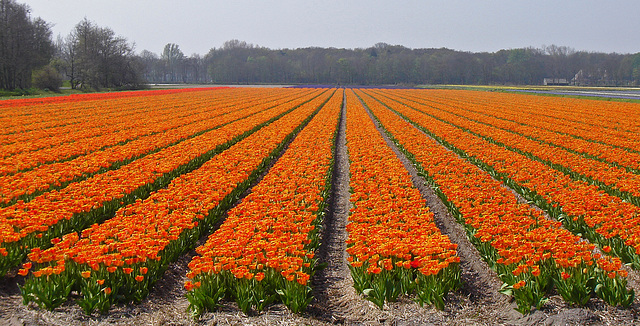
Nederland - Bollenstreek
Dune and Bulb Region (Duin- en Bollenstreek): Dutch as it can be with blooming orange tulips on one of the many fields nearby the famous 'De Keukenhof'.
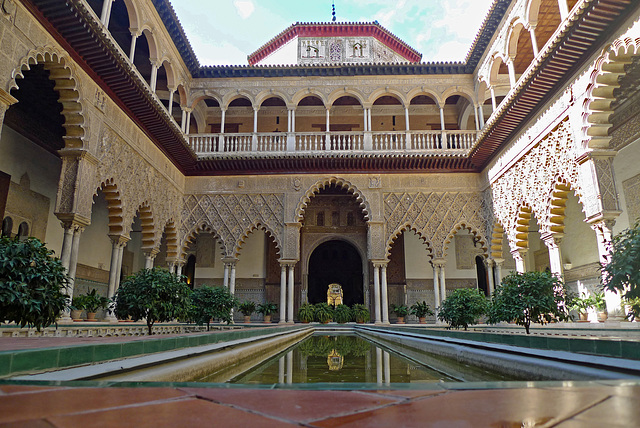
Spain - Sevilla, Real Alcázar
The Real Alcázar de Sevilla (Royal Alcázar of Seville) was originally a Moorish fort. The palace is renowned as one of the most beautiful in Spain and is the oldest royal palace still in use in Europe, being used by King Juan Carlos when he visits Seville. The Real Alcazár was declared a World Heritage Site by UNESCO in 1987.
The Real Alcázar is built on the site of a Roman fort. The first Caliph of Andalusia ordered in the 10th century the construction of a castle, which later changed into a fortified palace. When Ferdinand III of Castile regained the city on the Moors in 1248, the Alcazar became the royal palace. Most of the present buildings were constructed after 1364, when King Pedro the Cruel commissioned the construction of a new palace
The numerous rooms, patios and halls vary in architectural styles in the mudejar style, but it has also islamic, gothic, renaissance, baroque and neoclassical elements.
Picture(s): the Patio de las Doncellas (Patio of the Maidens) is the main courtyard of the palace. This was the center of public life in the palace. The patio is named after the ladies (doncellas) who spent much of their time here.
Jump to top
RSS feed- Latest favorites - Subscribe to the favorite docs of Leo W
- ipernity © 2007-2026
- Help & Contact
|
Club news
|
About ipernity
|
History |
ipernity Club & Prices |
Guide of good conduct
Donate | Group guidelines | Privacy policy | Terms of use | Statutes | In memoria -
Facebook
X
