

Leo W's favorite photos
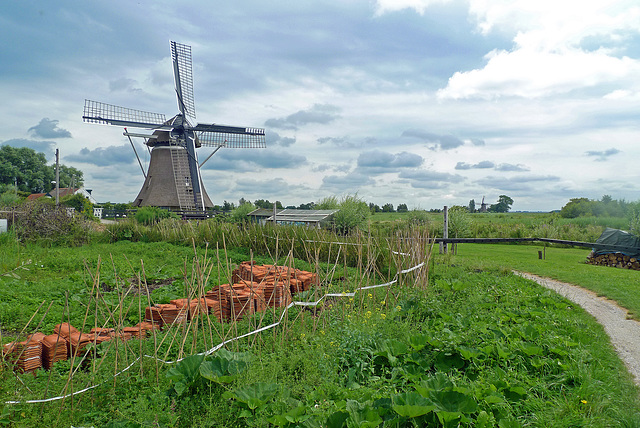

Nederland - Nijetrijne, De Rietvink
The province of Friesland in the Netherlands had till about 1850 more than 2.400 of windmills. There are only 124 left; most of them go back to the years between 1850 and 1900. Modern technology and machines has made them redundant.
One of the most beautiful located polder draining mills is ‘De Rietvink’ on the banks of the ‘Jonker (or Helema) Vaart’ and at the edge of a nature area and former peat extraction area the ‘Rottige Meente’.
The ‘Rietvink’ is an octagonal smock mill and was built in 1855. It served until 1964 as a polder draining mill, when it became a holiday home. The mill was restored in 2009/2010 and since June of that year ‘De Rietvink’ can be used again.
The mill is open for visitors and has a lovely teagarden. Next to the mill lies an old lock to the river ‘De Scheene’.
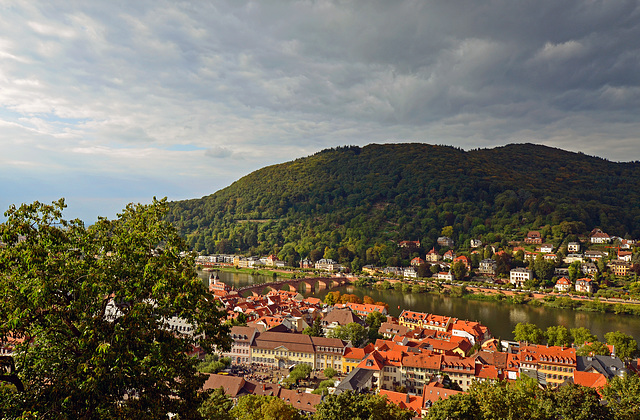
Alte Brücke
... und Neckar von der Terrasse des Heidelberger Schlosses aus gesehen.
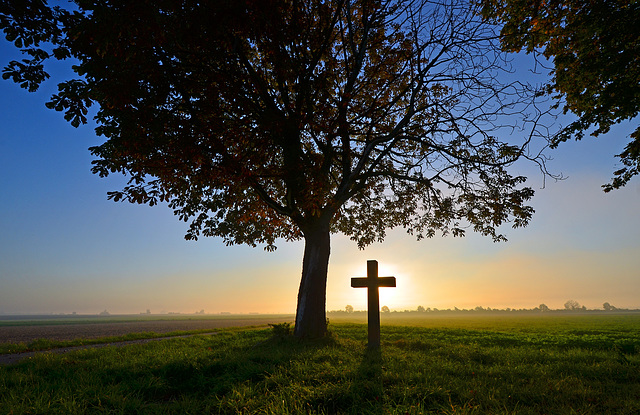
Göttlich
... ist, wenn man im Morgengrauen mit solchen Eindrücken belohnt wird.
340 favorites
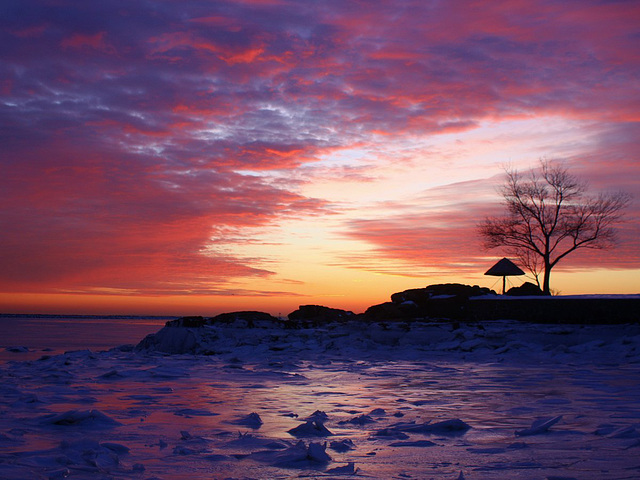
Winter Sunrise
Sunrise at Manor Park (Larchmont, New York) ahead of an approaching snowstorm—February 21, 2015. This sunrise occurred over a largely ice-covered Long Island Sound during what proved to be an especially cold February .
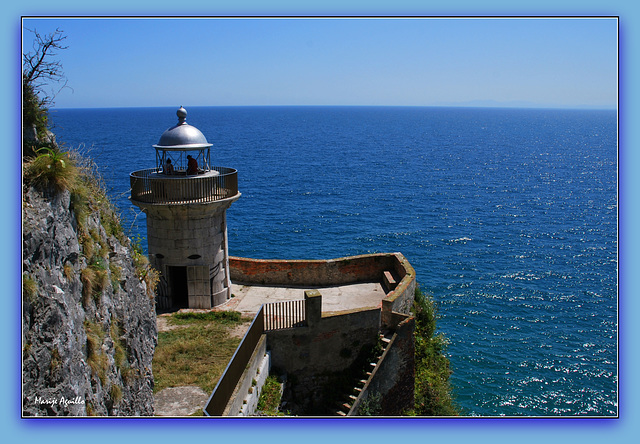
Faro Caballo
LLegar a este lugar conlleva, además de un bonito paseo de unos 30 minutos, bajar 760 escalones por una vertiginosa escalera, y luego.... subirlos, toda una prueba, de verdad.
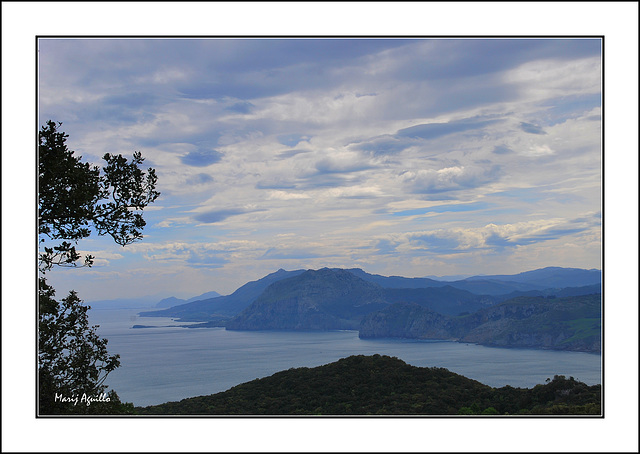
Costa de Cantabria desde el monte Buciero
En las tres instantaneas más pequeñañs se aprecia la ría de Santoña y la hermosa playa de Laredo (La Salvé) de 4.250 m. y que se caracteriza por una arena fina y blanca, la playa de Barria con el penal del Dueso, y por último, un detalle del pueblo, la plaza de toros junto al puerto.
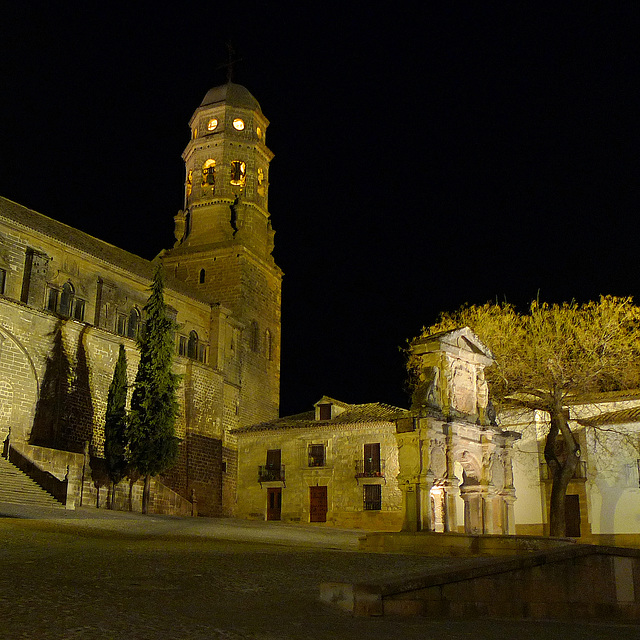
Spain - Baeza, Plaza de Santa María
The origins of Baeza date back to the first settlers during the Bronze Age, when it was a significant settlement from the Algar culture. In the Roman period a completely established town was built, including a castle and city walls. The Moors settled here and Baeza even was the capital of one of the Moorish Tarifa kingdoms.
The city became its greatest splendour during the 15th and 17th century, when its economy prospered thanks to its agriculture and the impetus of the University of Baeza.
Baeza is known as the cradle of Spanish renaissance. The UNESCO named the city a World Heritage Site in 2003.
Baeza still has a lot of important monumental complexes. The Plaza de Santa María can be considered as the heart of the city, offering most of the monuments; among them the cathedral ‘Santa Iglesia Catedral’and ‘Fuente de Santa María’.
Jump to top
RSS feed- Latest favorites - Subscribe to the favorite docs of Leo W
- ipernity © 2007-2026
- Help & Contact
|
Club news
|
About ipernity
|
History |
ipernity Club & Prices |
Guide of good conduct
Donate | Group guidelines | Privacy policy | Terms of use | Statutes | In memoria -
Facebook
X
