

Leo W's favorite photos
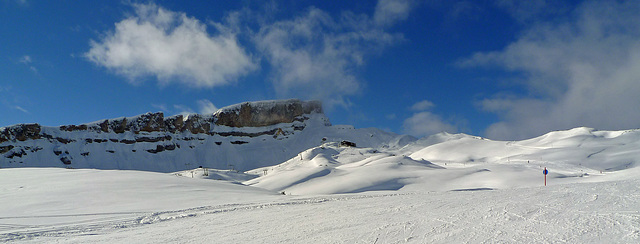

Austria - Kleinwalsertal, Hoher Ifen
The Hoher Ifen - also called Hochifen - is a 2.230 meters high summit of the Ifen plateau, which is part of the Allgäu Alps and located just west of the Kleinwalsertal. It lies on the border between Austria and Germany and can only be accessed by road from Germany (Bavaria). Hoher Ifen is part of the European Watershed, where water is separated between the North Sea (Rhine River) and the Black Sea (Danube).
Although not that high Hoher Ifen is a prominent landmark of this part of Austria and can be seen from everywhere in Kleinwalsertal. In winter the mountain plateau is an impressive backdrop for the Ifen ski area.
Main picture was taken from the Schäfalp ski slope and the PiP’s from a footpath from Söllereck to Riezlern in Kleinwalsertal.
19 favorites
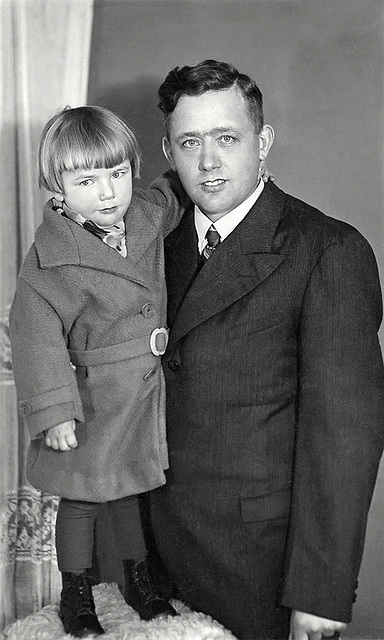
IMG 1102 / 10/03/1935
1935
alte Schätze - neu entdeckt
Beschreibung: siehe Kommentare meines Vaters Ulrich Beul
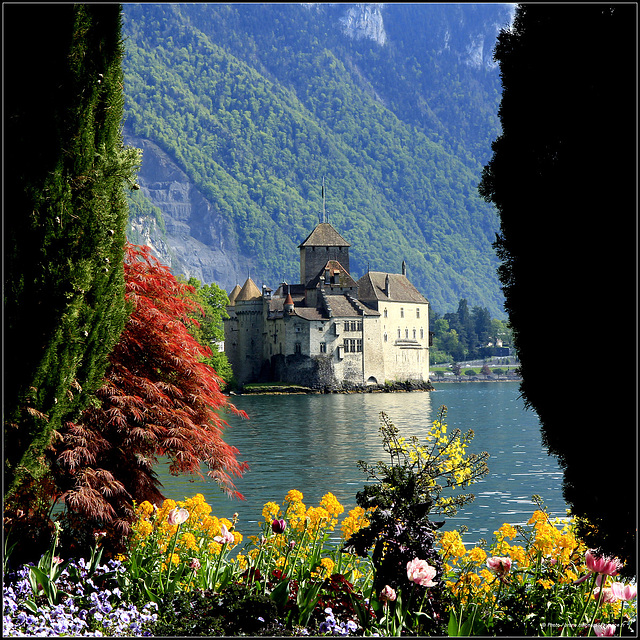
Château de CHILLON sur le lac Leman
En Grand et Details en passant la souris
SUISSE,Ct de Chillon entre Montreux et Villeneuve
.................................................................................................
....................................................................... ♫♪ Medieval

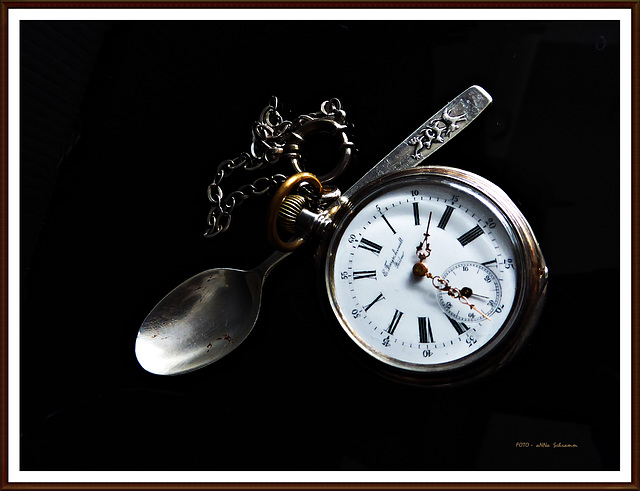
... die Bremer Stadtmusikanten ...
The 50 Images-Project - orologio - *2/50* www.ipernity.com/doc/anna.schramm/album/867788
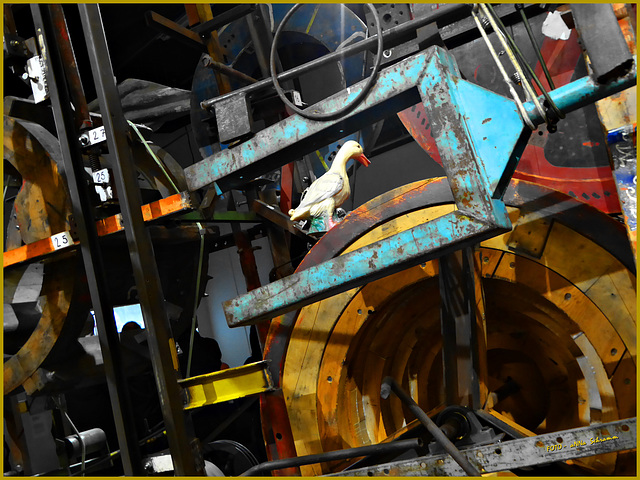
Hilfe ! ! ... ich bin hier falsch
Musee des Confluences
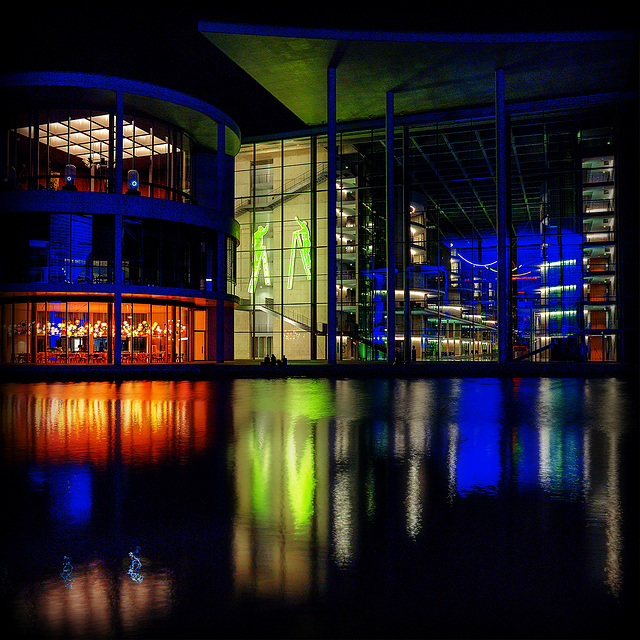
after midnight ... ♫ ♪ ♪ ♫
Berlin. Government District. After Midnight.
Berlin. Regierungsviertel. Nach Mitternacht.
(links: Bundestagskantine, rechts: Paul-Löbe-Haus)
---------------------------------------------------------------------
♫ ♪ ♪ ♫ ... After Midnight ... ♫ ♪ ♪ ♫

Nederland - Deurne, Groot Kasteel
Deurne Castle, locally known as 'Groot Kasteel' or 'Nieuw Kasteel' (Great Castle or New Castle) was most probably built around 1397 by Gevard van Doerne. The castle was originally a square building with several turrets. Due to the thickness of the walls it is not likely that the building had a real military purpose. It is located in the swampy valley of a stream called the Vlier. It is more or less surrounded by the remains of a moat.
In the 16th century the building was burned down and decades later plundered by Spanish troops. Mid 17th century the castle was enlarged. In 1759 the castle was bought by Theodorus de Smeth. His family also thoroughly rebuilt the castle and would own it until WW2.
During the liberation of Deurne in 1944 the castle suffered heavily from allied fire and there were only remains left.
Nowadays the ruin - which was consolidated in 2002 - of ‘Groot Kasteel Deurne’ is used by a youth association.

Sweden - Rök, Rökstenen
Runestones are mostly raised stones with a runic inscription. These stones are often memorials to dead men and were usually brightly coloured when erected, though this is no longer evident as the colour has worn off. This tradition began in the 4th century and lasted into the 12th century. Most of them date from the late Viking Age and are located in Scandinavia (the majority however is found in Sweden, estimated around 2.000 of these stones).
The Rökstenen (Runestone in Rök) is the most famous runestone of Sweden. It features the longest known runic inscription of the world in stone with 760 characters. The text is considered to be one of the earliest examples of writing in the Old Swedish language and it marks the beginning of the history of Swedish literature.
The stone is almost four metres tall and was carved and erected most probably in the early 9th century, judging from the main runic alphabet used and the form of the language. Rökstenen is covered with runes on five sides; a few parts of the inscription are damaged, but most of it is readable.
In the 11th century the stone was used for the building of a church in Rök. Rökstenen was discovered in the late 19th century in the wall of the church and then was placed on the graveyard. In 1933 it became a shed, protecting the stone for decay. There is also an information centre next to the stone.
Jump to top
RSS feed- Latest favorites - Subscribe to the favorite docs of Leo W
- ipernity © 2007-2026
- Help & Contact
|
Club news
|
About ipernity
|
History |
ipernity Club & Prices |
Guide of good conduct
Donate | Group guidelines | Privacy policy | Terms of use | Statutes | In memoria -
Facebook
X
