


Myanmar | Yangon

Folder: South East Asia
In 2012, Yangon was no longer Myanmar’s official capital, but it was still the country’s largest and most outward‑facing city, the main commercial centre and international gateway. Official power had shifted to Naypyidaw in 2006, yet Yangon’s dense core of colonial streets, post‑independence blocks and riverfront jetties continued to concentrate much of the country’s urban life.
The city’s skylin… (read more)
The city’s skylin… (read more)


Sunny
The view from From Pansodan Overpass near Yangon Central Station, (here just one of) St. Mary’s Cathedral’s twin neo-Gothic spires stand out above the city’s vibrant mix of colonial and modern buildings. The cathedral, Myanmar’s largest Catholic church, was designed by Dutch architect Jos Cuypers and completed in 1911. Its red brick facade, stunning stained-glass windows, and peaceful gardens attract both worshippers and visitors. Today, St. Mary’s remains a sanctuary for reflection and community amid Myanmar’s ongoing challenges, representing faith and endurance in central Yangon.
14 Feb 2012
16 favorites
8 comments
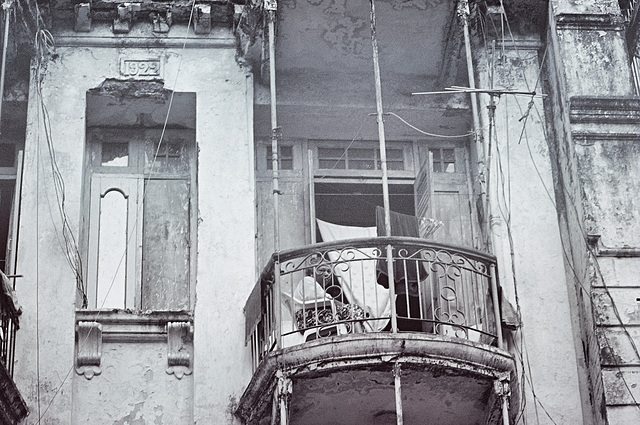
Wires & Memories (Against the Rust)
Curved iron railings stretch out from old balconies, their patterns telling of a time when Rangoon was full of grand dreams and colonial energy. The numbers above the doorway, "1922," seem to echo with stories of steamships and city life, even as the walls crumble and electric wires hang down like vines. Laundry blows in the breeze, sharing space with the tangled metal and faded stucco, the building itself holding on to history with every chipped tile and shadowed corner.
Just nearby, life continues in what is now called Yangon. People lean over the edge of their balconies, talking and sharing quiet moments as the sun sets. The sound of voices mixes with the patterns of old metalwork and the scratchy lines of TV antennas. These balconies, cracked and patched, become small stages—places to watch the street, chat with neighbors, or simply enjoy the evening air. In their worn surfaces and simple gatherings, the city shows its heart: layers of old ambition and new stories, all living side by side.

14 Feb 2012
39260009
16.774762348170047, 96.1590352231701

Sule Pagoda: Yangon’s Ancient Heart & Historic Landmark
Sule Pagoda sits at the center of Yangon, Myanmar, and is believed to be over 2,000 years old, with a unique octagonal design that distinguishes it from other Burmese stupas. It has long served as both a sacred Buddhist site and a historic gathering place for major political movements in the country.


Street Childhood — Yangon Memories
Children crowd Yangon’s streets, adapting public spaces to daily play in a city where nearly half the population now falls below the poverty line and formal recreational infrastructure remains scarce. The city’s youth find moments of joy improvising with whatever’s on hand — old tires, bottle caps, tattered footballs, or scraps of wood—demonstrating resilience amid ongoing urban hardship.
Skateboarding, though still relatively uncommon, has carved out its own niche; a handful of dedicated young skaters have overcome obstacles to build their own ramps behind shopping centres and under flyovers, persevering with makeshift gear as they work to foster Yangon’s emerging skateboard culture.

Action, excitement
Another photo taken in a crowd during Myanmar’s 2012 by-election rallies. Excitement and hope surrounded Aung San Suu Kyi and the NLD as they campaigned, with people seeing a chance to move beyond military rule. Yet even amid the chants and flags, tensions surfaced—limited seats contested, deep skepticism about military power, and fragile reforms. The rallies symbolized both popular aspirations and unresolved struggles. Years later, Suu Kyi’s image dimmed under crises and controversy, and the promise many celebrated at these gatherings gave way to disillusionment and her eventual fall.

Go Global
The Burmese parasol, or Pathein hti, is a distinctive symbol of Myanmar’s heritage, handcrafted from bamboo and cotton and adorned with intricate folk designs. Historically, such umbrellas signified social rank or piety and were often seen in the company of monks or during grand celebrations. Produced primarily in the delta town of Pathein, these parasols are now much admired as elegant mementos and decorative pieces. With their graceful form and colourful artistry, they encapsulate a sense of traditional grace, making them a charming testament to Burmese craftsmanship and daily culture.
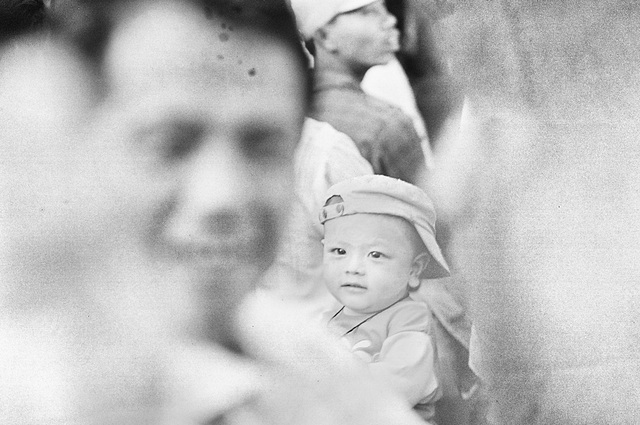
Eyes on Tomorrow: Hope Before Change
This photo was taken in a crowd during a political rally just before Myanmar's landmark 2012 by-elections. The nation's atmosphere was filled with excitement and hope as Aung San Suu Kyi and the National League for Democracy (NLD) campaigned to enter parliament, marking a pivotal step away from military rule. While only a small fraction of seats were at stake, the relatively open election energized civil society and drew global attention, encouraging some international sanctions to be eased. Yet, despite this progress, the military maintained significant parliamentary power, and genuine democratic reforms remained incomplete. This day reflected both the aspirations and the ongoing challenges of Myanmar's path to democracy.
Jump to top
RSS feed- Latest items - Subscribe to the latest items added to this album
- ipernity © 2007-2026
- Help & Contact
|
Club news
|
About ipernity
|
History |
ipernity Club & Prices |
Guide of good conduct
Donate | Group guidelines | Privacy policy | Terms of use | Statutes | In memoria -
Facebook
X
