


Bees

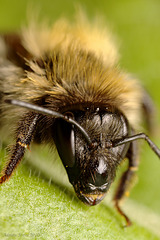
bumble_bee_002
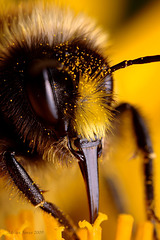
bumble_bee_002
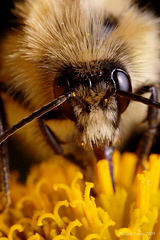
bumble_bee_003
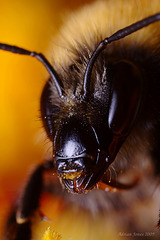
bumble_bee_005
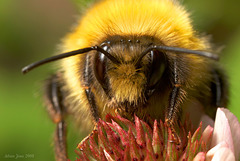
Bumblebee portrait
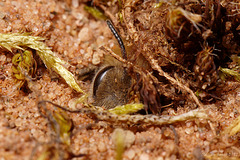
Colletes cunicularius
| |
|
A female Colletes cunicularius emerges from the sand. Taken at Venus Bank in Shropshire. Uncropped image.
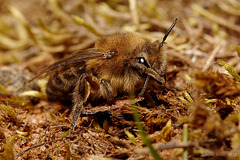
Colletes cunicularius female
| |
|
A rarity inland, a female Colletes cunicularius cleaning antennae before flight. Taken at Venus Bank in Shropshire. Uncropped image.
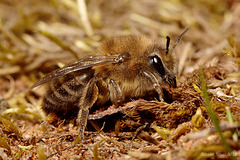
Colletes cunicularius female
| |
|
A rarity inland, a female Colletes cunicularius. Taken at Venus Bank in Shropshire. Uncropped image.

Colletes daviesanus
| |
|
|
|
Portrait of a small solitary bee, Colletes daviesanus. Taken in Shrewsbury, Shropshire, UK.

Colletes succinctus
| |
|
|
Large numbers of these bees were present on Thursday at The Bog in Shropshire, many I think were newly hatched males waiting for more females to emerge. When I called again a day later much of the frenzied activity had ceased and the bees were doing what they do best, mining the tunnels that form their subterranean nests.
There were also large numbers feeding from the heather blossoms that were starting to open near the colony. At first I though the colony was quite small but on the second visit found it extended over a much larger area than I first thought.

Colletes succinctus
| |
|
Large numbers of these bees were present on Thursday at The Bog in Shropshire, many I think were newly hatched males waiting for more females to emerge. When I called again a day later much of the frenzied activity had ceased and the bees were doing what they do best, mining the tunnels that form their subterranean nests.
There were also large numbers feeding from the heather blossoms that were starting to open near the colony. At first I though the colony was quite small but on the second visit found it extended over a much larger area than I first thought.

Colletes succinctus
| |
|
|
|
Large numbers of these bees were present on Thursday at The Bog in Shropshire, many I think were newly hatched males waiting for more females to emerge. When I called again a day later much of the frenzied activity had ceased and the bees were doing what they do best, mining the tunnels that form their subterranean nests.
There were also large numbers feeding from the heather blossoms that were starting to open near the colony. At first I though the colony was quite small but on the second visit found it extended over a much larger area than I first thought.

Colletes succinctus
| |
|
|
Large numbers of these bees were present on Thursday at The Bog in Shropshire, many I think were newly hatched males waiting for more females to emerge. When I called again a day later much of the frenzied activity had ceased and the bees were doing what they do best, mining the tunnels that form their subterranean nests.
There were also large numbers feeding from the heather blossoms that were starting to open near the colony. At first I though the colony was quite small but on the second visit found it extended over a much larger area than I first thought.

Colletes succinctus
| |
|
|
Large numbers of these bees were present on Thursday at The Bog in Shropshire, many I think were newly hatched males waiting more females to emerge. When I called again a day later much of the frenzied activity had ceased and the bees were doing what they do best, mining the tunnels that form their subterranean nests.
There were also large numbers feeding from the heather blossoms that were starting to open near the colony. At first I though the colony was quite small but on the second visit found it extended over a much larger area than I first thought.

Colletes succinctus
| |
|
Large numbers of these bees were present on Thursday at The Bog in Shropshire, many I think were newly hatched males waiting for more females to emerge. When I called again a day later much of the frenzied activity had ceased and the bees were doing what they do best, mining the tunnels that form their subterranean nests. There were also large numbers feeding from the heather blossoms that were starting to open near the colony. At first I though the colony was quite small but on the second visit found it extended over a much larger area than I first thought.
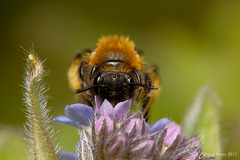
Early Mining Bee (Andrena haemorrhoa) ?
| |
|
An Early Mining Bee (Andrena haemorrhoa) feeding from Myosotis in my garden. Taken at about 1.2x magnification and uncropped.

Feather Footed Bee
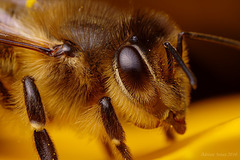
Honey Bee
Jump to top
RSS feed- Latest items - Subscribe to the latest items added to this album
- ipernity © 2007-2026
- Help & Contact
|
Club news
|
About ipernity
|
History |
ipernity Club & Prices |
Guide of good conduct
Donate | Group guidelines | Privacy policy | Terms of use | Statutes | In memoria -
Facebook
X
