

Traktor 49's favorite photos
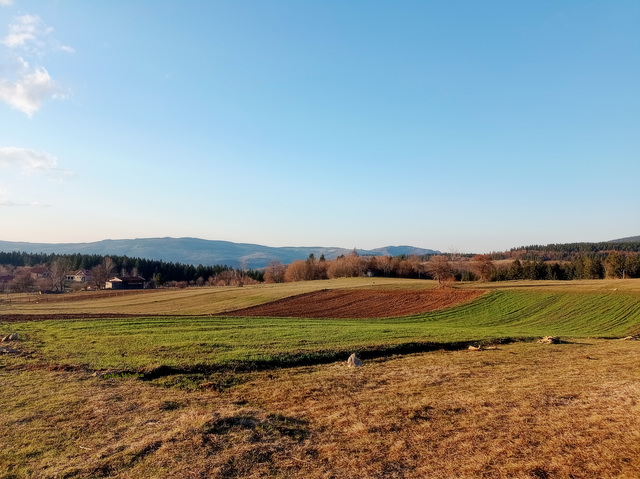
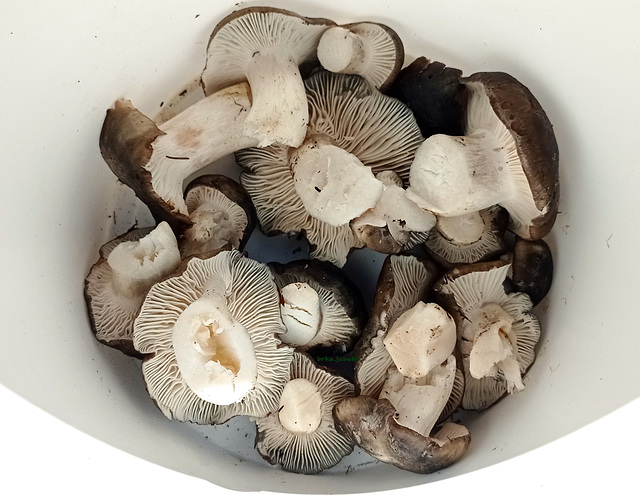

Hygrophorus marzuolus
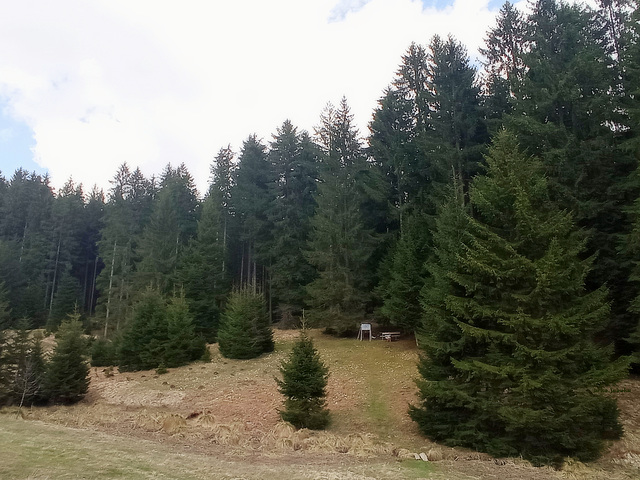
The March mushrooms is one of the first mushrooms to appear after a dull and cold winter. Some have said that it does not look nice and does not match the assessment that it is one of the better quality mushrooms. Maybe changes opinion.

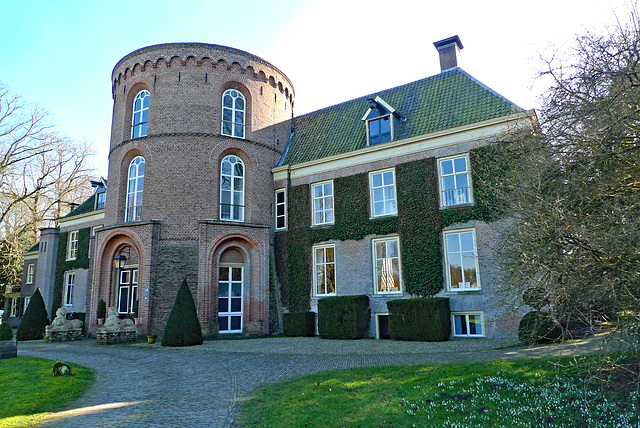
Nederland - Vorden, De Wildenborch
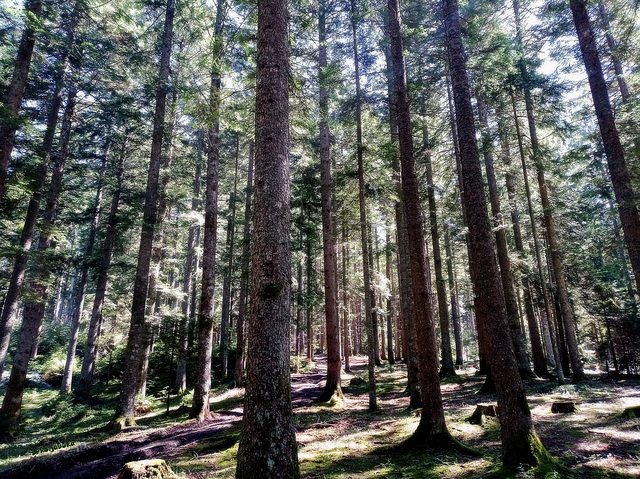
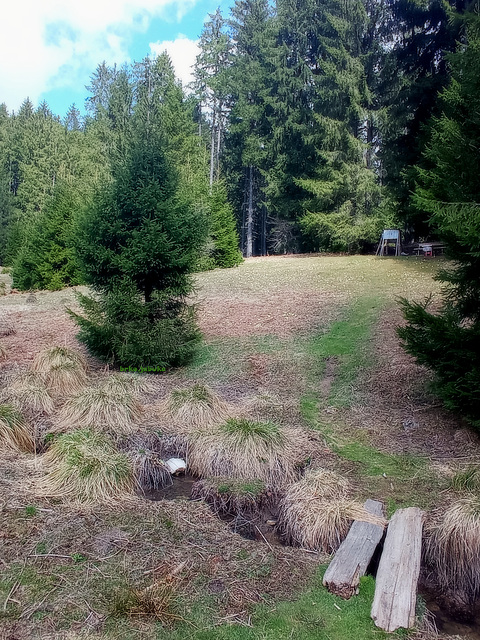
De Wildenborch (“castle in the wild marsh”), as it is seen today, looks nothing like the strong medieval fortress that had great defensive significance until the 17th century. The castle was located in a watery and wild swampy area and that location made the fortified house an almost impregnable fortress. It is assumed that the house originally consisted of a strong, square residential tower, surrounded by a swampy, repeatedly moated area. Only the current tower of the castle still contains remains of the originally medieval front gate.
The oldest mention of De Wildenborch dates from 1371, when it was in the possession of robber knight “Sweder Rodebaert van Wisch”. The oldest known feudal document is from 1449. The castle remained in the hands of the “Van Wisch” family for a long time. The successive lords lived in politically turbulent times and were repeatedly in armed conflict with the cities of Zutphen and Deventer and with the Duke of Gelre. There were several unsuccessful siege attempts around 1500. The “Van Wisch” family died out in 1541. Via a female heiress, the castle came into the hands of the “Van Limburg Stirum” family.
Over the centuries there have been several renovations. From the second half of the 17th century onwards, the castle rapidly fell into disrepair, after which it was sold in 1700. At that time only the inhabitable gate tower was remaining. After several changes of ownership, De Wildenborch was auctioned in 1757. The buyers were probably only interested in the five thousand oaks that stood on the estate. After these had been auctioned, the estate was sold again in 1768. In 1780 “Damiaan Hugo Staring” and his wife bought De Wildenborch .
His son “Anthony Christiaan Winand Staring” - a well known Dutch poet - was another well known resident of the castle. He filled and planted most of the surrounding marshland with deciduous trees. The house is still inhabited by descendants of “Staring”.
Nowadays De Wildenborch is one of the eight castles in and around the village of Vorden in the Dutch province of Gelderland. The country estate consists of a castle with a round tower and side wings, a building house with a coach house attached to it and 38 ha. partly landscaped garden and partly park forest. There are large water features around the house. The house is closed to the public. The gardens of ‘De Wildenborch’ are open for public a couple of times a year.

Blick von der Poggenmühlenbrücke zur blauen Stunde / HFF
Wasserschloß und Speicherstadt, Hamburg.
Bitte vergrößern!!
Please view large!!
Agrandir svp!!
Jump to top
RSS feed- Latest favorites - Subscribe to the favorite docs of Traktor 49
- ipernity © 2007-2026
- Help & Contact
|
Club news
|
About ipernity
|
History |
ipernity Club & Prices |
Guide of good conduct
Donate | Group guidelines | Privacy policy | Terms of use | Statutes | In memoria -
Facebook
X
