

Italy

Photos taken in Italy (and Vatican State and San Marino).
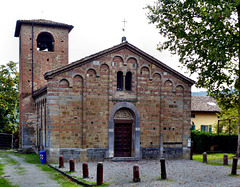
Talignano - San Biagio
| |
|
Erected by monks of a near Cistercian abbey in the 12th century, the church, as well as the (lost) "hopital" served the pilgrims, that walked the Via Francigena to Rome (and back home). It was modified over the centuries, but a renovation in the 1930 brought back the Romanesque structure, that it was originally.
Collecchio - Pieve di San Prospero
| |
|
|
In the 11th century a church was erected here on the ruins of a Roman temple. It had a single nave and three apses. As the church was next to the Via Francigena a hospital existed here for the pilgrims on their way to Rome.
In the early 13th century the church was modified, as by then it had three aisles. Six side chapels were added in the 16th century. Two centuries later San Prospero got a new facade.
When the restoration started in 1912 the side chapels got demolished, to bring back / recreate the original church from the 13th century.
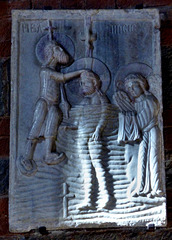
This relief is placed on the wall just behind the large baptismal font. It reminds me on the wonderful mosaics in Ravenna ("Battistero degli Ariani" and " Battistero Neoniano"). It may be a byzantine work, there are Greek letters above the scene spelling "Baptism".
Sergio Stocchi ("Italia romanica"), following another scholar, attributes it to the workshop of Benedetto Antelami from near Parma and dates it 1210-1220.
Collecchio - Pieve di San Prospero
| |
|
In the 11th century a church was erected here on the ruins of a Roman temple. It had a single nave and three apses. As the church was next to the Via Francigena a hospital existed here for the pilgrims on their way to Rome.
In the early 13th century the church was modified, as by then it had three aisles. Six side chapels were added in the 16th century. Two centuries later San Prospero got a new facade.
When the restoration started in 1912 the side chapels got demolished, to bring back / recreate the original church from the 13th century, that has strong parallels to San Geminiano in Vicofertile (previous uploads), just 5kms north.
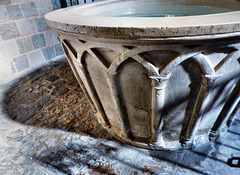
Another wonderful (large) baptismal font, but quite different from thatone in Vicofertile.
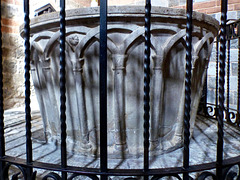
Collecchio - Pieve di San Prospero
| |
|
In the 11th century a church was erected here on the ruins of a Roman temple. It had a single nave and three apses. As the church was next to the Via Francigena a hospital existed here for the pilgrims on their way to Rome.
In the early 13th century the church was modified, as by then it had three aisles. Six side chapels were added in the 16th century. Two centuries later San Prospero got a new facade.
When the restoration started in 1912 the side chapels got demolished, to bring back / recreate the original church from the 13th century, that has strong parallels to San Geminiano in Vicofertile (previous uploads), just 5kms north.
Another wonderful (large) baptismal font, but quite different from thatone in Vicofertile. Behind iron bars..
Collecchio - Pieve di San Prospero
| |
|
|
In the 11th century a church was erected here on the ruins of a Roman temple. It had a single nave and three apses. As the church was next to the Via Francigena a hospital existed here for the pilgrims on their way to Rome.
In the early 13th century the church was modified, as by then it had three aisles. Six side chapels were added in the 16th century. Two centuries later San Prospero got a new facade.
When the restoration started in 1912 the side chapels got demolished, to bring back / recreate the original church from the 13th century, that has strong parallels to San Geminiano in Vicofertile (previous uploads), just 5kms north.
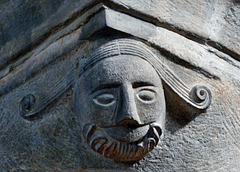
The capitals here are less "rough" compared to that in Vicofertile.
Did people use curling irons already that early?
Collecchio - Pieve di San Prospero
| |
|
|
In the 11th century a church was erected here on the ruins of a Roman temple. It had a single nave and three apses. As the church was next to the Via Francigena a hospital existed here for the pilgrims on their way to Rome.
In the early 13th century the church was modified, as by then it had three aisles. Six side chapels were added in the 16th century. Two centuries later San Prospero got a new facade.
When the restoration started in 1912 the side chapels got demolished, to bring back / recreate the original church from the 13th century, that has strong parallels to San Geminiano in Vicofertile (previous uploads), just 5kms north.
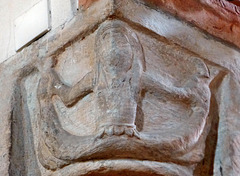
The capitals here are less "rough" compared to that in Vicofertile.
A mermaid.
Collecchio - Pieve di San Prospero
| |
|
|
In the 11th century a church was erected here on the ruins of a Roman temple. It had a single nave and three apses. As the church was next to the Via Francigena a hospital existed here for the pilgrims on their way to Rome.
In the early 13th century the church was modified, as by then it had three aisles. Six side chapels were added in the 16th century. Two centuries later San Prospero got a new facade.
When the restoration started in 1912 the side chapels got demolished, to bring back / recreate the original church from the 13th century, that has strong parallels to San Geminiano in Vicofertile (previous uploads), just 5kms north.
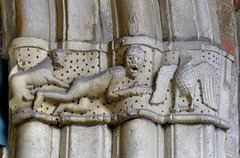
The capitals here are less "rough" compared to that in Vicofertile.
A monkey (or dog?) pushing over a man, who seems very surprised, in front of
an eagle? Is the man brought on on his knees? The eagle is probably a symbol for Christianity or feudal power.
Looks like the stonemason just got a new stone driller.
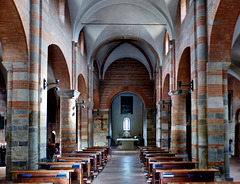
Collecchio - Pieve di San Prospero
| |
|
In the 11th century a church was erected here on the ruins of a Roman temple. It had a single nave and three apses. As the church was next to the Via Francigena a hospital existed here for the pilgrims on their way to Rome.
In the early 13th century the church was modified, as by then it had three aisles. Six side chapels were added in the 16th century. Two centuries later San Prospero got a new facade.
When the restoration started in 1912 the side chapels got demolished, to bring back / recreate the original church from the 13th century, that has strong parallels to San Geminiano in Vicofertile (previous uploads), just 5kms north.
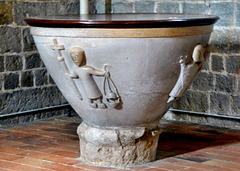
Vicofertile - San Geminiano
| |
|
|
Vicofertile, located at the old Via Francigena, is meanwhile is a small suburb of the City of Parma.
A church probably existed in Vicofertile already within the 9th century, but the church mentioned in a document from 1039 was smaller than the church seen here. Excavations found the foundations about 50cms under the floor of San Geminiano.
Today´s church was erected around 1200. The roof burned down in 1325, but got rebuilt soon after. The church got modified a couple of times, but a a restoration undertaken in the early 20th century got rid of all interior Baroque additions.
This baptismal font is a real surprise here. While the capitals are rather clumsy, this polished font is really smooth and elegant. It is 68cms high and has a diameter of 98cms, so it was probably used for immersion. Five figures "walk around" the font in a procession. Two clerics, holding a candle, a priest - and the altarboy with the censer and the processional cross.
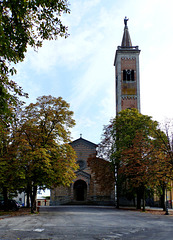
Collecchio - Pieve di San Prospero
| |
|
|
|
In the 11th century a church was erected here on the ruins of a Roman temple. It had a single nave and three apses. As the church was next to the Via Francigena a hospital existed here for the pilgrims on their way to Rome.
In the early 13th century the church was modified, as by then it had three aisles. Six side chapels were added in the 16th century. Two centuries later San Prospero got a new facade.
When the restoration started in 1912 the side chapels got demolished, to bring back / recreate the original Romanesque exterior. In 1922 the high campanile was erected in Neo-Romanesque style.
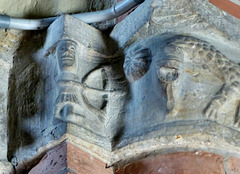
Vicofertile - San Geminiano
| |
|
Vicofertile, located at the old Via Francigena, is meanwhile is a small suburb of the City of Parma.
A church probably existed in Vicofertile already within the 9th century, but the church mentioned in a document from 1039 was smaller than the church seen here. Excavations found the foundations about 50cms under the floor of San Geminiano.
Today´s church was erected around 1200. The roof burned down in 1325, but got rebuilt soon after. The church got modified a couple of times, but a a restoration undertaken in the early 20th century got rid of all interior Baroque additions.
The capitals were probably created around 1220/1230 - and all six are somehow enigmatic. Here is a bowman fighting a dragon.
Vicofertile - San Geminiano
| |
|
Vicofertile, located at the old Via Francigena, is meanwhile is a small suburb of the City of Parma.
A church probably existed in Vicofertile already within the 9th century, but the church mentioned in a document from 1039 was smaller than the church seen here. Excavations found the foundations about 50cms under the floor of San Geminiano.
Today´s church was erected around 1200. The roof burned down in 1325, but got rebuilt soon after. The church got modified a couple of times, but a a restoration undertaken in the early 20th century got rid of all interior Baroque additions.
The capitals were probably created around 1220/1230 - and all six are somehow enigmatic. Only the mermaid (previous upload) seems "simply".
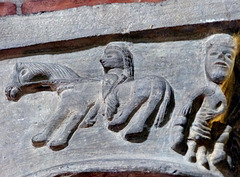
A noble? king? with a crown? on his head, seated on a throne? holds his tummy, while a long-haired dwarf? rides a pony, that has short rear legs....
When I thought about it, I remembered the "painted pony" and the "spinnig wheel"...
www.youtube.com/watch?v=aV22RVJDxyw
Vicofertile - San Geminiano
| |
|
Vicofertile, located at the old Via Francigena, is meanwhile is a small suburb of the City of Parma.
A church probably existed in Vicofertile already within the 9th century, but the church mentioned in a document from 1039 was smaller than the church seen here. Excavations found the foundations about 50cms under the floor of San Geminiano.
Today´s church was erected around 1200. The roof burned down in 1325, but got rebuilt soon after. The church got modified a couple of times, but a a restoration undertaken in the early 20th century got rid of all interior Baroque additions.
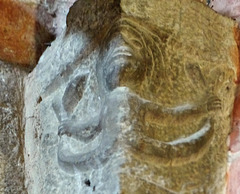
The capitals were probably created around 1220/1230 - and all six, but this one, are somehow enigmatic. Here is a mermaid. Sorry for the blurry shot.
Vicofertile - San Geminiano
| |
|
|
Vicofertile, located at the old Via Francigena, is meanwhile is a small suburb of the City of Parma.
A church probably existed in Vicofertile already within the 9th century, but the church mentioned in a document from 1039 was smaller than the church seen here. Excavations found the foundations about 50cms under the floor of San Geminiano.
Today´s church was erected around 1200. The roof burned down in 1325, but got rebuilt soon after. The church got modified a couple of times, but a a restoration undertaken in the early 20th century got rid of all interior Baroque additions.
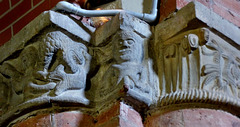
The capitals were probably created around 1220/1230 - and all six are somehow enigmatic. Is the Mouth of Hell in the dark corner??
Vicofertile - San Geminiano
| |
|
|
Vicofertile, located at the old Via Francigena, is meanwhile is a small suburb of the City of Parma.
A church probably existed in Vicofertile already within the 9th century, but the church mentioned in a document from 1039 was smaller than the church seen here. Excavations found the foundations about 50cms under the floor of San Geminiano.
Today´s church was erected around 1200. The roof burned down in 1325, but got rebuilt soon after. The church got modified a couple of times, but a a restoration undertaken in the early 20th century got rid of all interior Baroque additions.
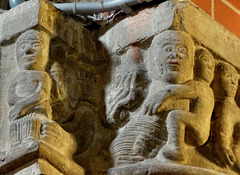
The capitals were probably created 1220/1230 - and all six are somehow enigmatic. Seen here is a strange bestiary of animals (left and right) and in the center a male exhibitionist presenting his enormous genital.
Vicofertile - San Geminiano
| |
|
|
|
Vicofertile, located at the old Via Francigena, is meanwhile is a small suburb of the City of Parma.
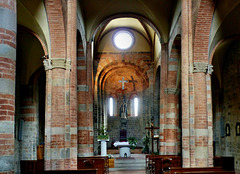
A church probably existed in Vicofertile already within the 9th century, but the church mentioned in a document from 1039 was smaller than the church seen here. Excavations found the foundations about 50cms under the floor of San Geminiano.
Today´s church was erected around 1200. The roof burned down in 1325, but got rebuilt soon after. The church got modified a couple of times, but a a restoration undertaken in the early 20th century got rid of all interior Baroque additions.
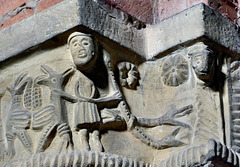
The capitals were probably created around 1220/1230 - and all six are somehow enigmatic. Seen here is a strange bestiary of animals. In the center a man (with long, thin arms) holds a bunch of (two-headed?) snakes and a bird (with long tongue), that dances with its twin. For 1230 this carving is rather clumsy.
Vicofertile - San Geminiano
| |
|
Vicofertile, located at the old Via Francigena, is meanwhile is a small suburb of the City of Parma.
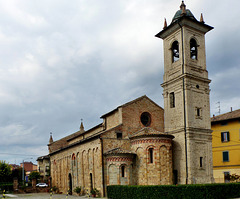
A church probably existed in Vicofertile already within the 9th century, but the church mentioned in a document from 1039 was smaller than the church seen here. Excavations found the foundations about 50cms under the floor of San Geminiano.
Today´s church was erected around 1200. The roof burned down in 1325, but got rebuilt soon after. The church got modified a couple of times, but a a restoration undertaken in the early 20th century got rid of all interior Baroque additions.
Vicofertile - San Geminiano
| |
|
Vicofertile, located at the old Via Francigena, is meanwhile is a small suburb of the City of Parma.
A church probably existed in Vicofertile already within the 9th century, but the church mentioned in a document from 1039 was smaller than the church seen here. Excavations found the foundations about 50cms under the floor of San Geminiano.
Today´s church was erected around 1200. The roof burned down in 1325, but got rebuilt soon after. The church got modified a couple of times, but a a restoration undertaken in the early 20th century got rid of all Baroque additions - all but the campanile.
Jump to top
RSS feed- Latest items - Subscribe to the latest items added to this album
- ipernity © 2007-2026
- Help & Contact
|
Club news
|
About ipernity
|
History |
ipernity Club & Prices |
Guide of good conduct
Donate | Group guidelines | Privacy policy | Terms of use | Statutes | In memoria -
Facebook
X
