

Klütz - St. Marien
Travemünde - Passat
Travemünde - St. Lorenz
Travemünde - St. Lorenz
Altenkrempe - Basilika
Altenkrempe - Basilika
Altenkrempe - Basilika
Altenkrempe - Basilika
Oldenburg in Holstein - Rathaus
Oldenburg in Holstein - St. Johannis
Oldenburg in Holstein - St. Johannis
Oldenburg in Holstein - St. Johannis
Oldenburg in Holstein - St. Johannis
Eutin
Eutin - St. Michaelis
Eutin - St. Michaelis
Eutin - St. Michaelis
Eutin - St. Michaelis
Eutin - St. Michaelis
Eutin - St. Michaelis
Eutin - St. Michaelis
Bad Segeberg- Volksbank
Bad Segeberg- Volksbank
Klütz - St. Marien
Klütz - St. Marien
Elmenhorst
Elmenhorst
Kalkhorst- St. Laurentius
Kalkhorst- St. Laurentius
Kalkhorst- St. Laurentius
Kalkhorst- St. Laurentius
Kalkhorst- St. Laurentius
Kalkhorst- St. Laurentius
Dassow - St. Nikolai
Dassow - St. Nikolai
Dassow - St. Nikolai
Schönberg - St. Laurentius
Ratzeburg - Ratzeburger Dom
Ratzeburg - Ratzeburger Dom
Ratzeburg - Ratzeburger Dom
Ratzeburg - Ratzeburger Dom
Ratzeburg - Ratzeburger Dom
Ratzeburg - Ratzeburger Dom
Ratzeburg - Ratzeburger Dom
Ratzeburg - Ratzeburger Dom
Location
Lat, Lng:
You can copy the above to your favourite mapping app.
Address: unknown
You can copy the above to your favourite mapping app.
Address: unknown
See also...
Keywords
Authorizations, license
-
Visible by: Everyone -
All rights reserved
-
143 visits
Klütz - St. Marien
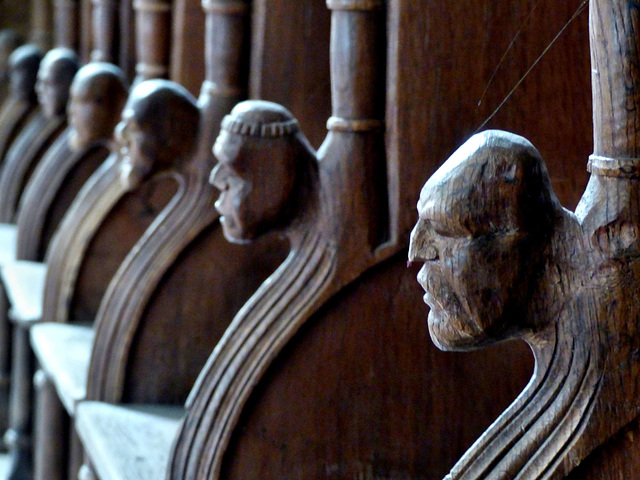

The town of Klütz is, like the neighbouring communities, mentioned in the Ratzeburg tithe register as early as 1230.
St. Marien is typical for the area in terms of the building structure, but it is significantly larger than the other country churches in the villages. It is a brick Gothic church from the period of transition from Romanesque to Gothic. Construction began around 1250 with the rectangular choir, which is still clearly Romanesque. Then around 1280/1290 was the large three-nave, three-bayed hall was added.
The choir stalls are dated to the end of the 14th century.
St. Marien is typical for the area in terms of the building structure, but it is significantly larger than the other country churches in the villages. It is a brick Gothic church from the period of transition from Romanesque to Gothic. Construction began around 1250 with the rectangular choir, which is still clearly Romanesque. Then around 1280/1290 was the large three-nave, three-bayed hall was added.
The choir stalls are dated to the end of the 14th century.
Marco F. Delminho, Boro have particularly liked this photo
- Keyboard shortcuts:
Jump to top
RSS feed- Latest comments - Subscribe to the comment feeds of this photo
- ipernity © 2007-2026
- Help & Contact
|
Club news
|
About ipernity
|
History |
ipernity Club & Prices |
Guide of good conduct
Donate | Group guidelines | Privacy policy | Terms of use | Statutes | In memoria -
Facebook
X

Sign-in to write a comment.