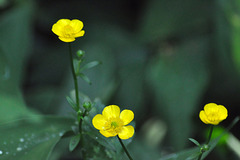
Andrew Trundlewagon's photos
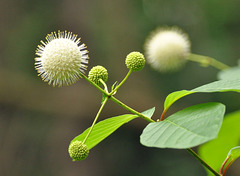
St Bruno button bush DSC 1994
| |
|
|
|
Flowers of a buttonbush (cephalanthus-occidentalis) in the woods- a native shrub from Eastern N. America. They look like golf balls (or, more sinisterly, like virus particles with protruding spikes). The bees love them. So do I, and if I had a bigger garden they would go straight in.
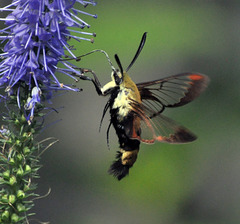
humming bird moth x CSC 1662
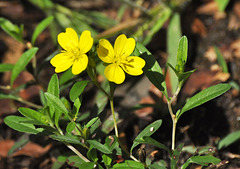
yellow DSC 1257
| |
|
|
|
A small, low plant, growing in an opening in the woods, the sundrop (Sundrop à petites fleurs; Oenethera perennis). A relative of the evening primrose.
st bruno lily DSC 0860
st bruno cohosh DSC 0902
| |
|
|
|
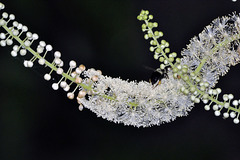
Black Cohosh, (also called Actaea racemosa, black bugbane, black snakeroot, or fairy candle) grows in the woods. It is particularly attractive to bees. The stem reaches about 2 metres tall (6 feet) with the flowers forming towers about 40-50 cm long.
mourning cloak DSC 0702
| |
|
|
|
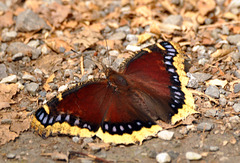
Not the most "glamorous" pose spread-wing in the dirt; a Mourning Cloak (or Camberwell Beauty, Nymphalis antiopa. le morio) butterfly. They hibernate through the winter and are the first large butterflies on the wing in Spring.
mystery rose CSC 0455
| |
|
|
|
CSC 0454
| |
|
|
|
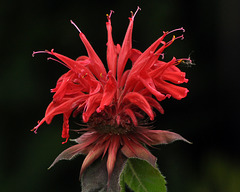
Monarda, is a wildflower of North America, although this is a garden cultivar. It is supposed to be pollenated by hummingbirds but we have grown it for years and I have yet to see a humming bird go near it, although it is popular with bumble bees. Its common names include bee balm, horsemint, Oswego tea, and bergamot, due to the fragrance of the leaves, which is reminiscent of bergamot orange. It was used as medicinal plant by the indigenous North Americans (Wikipedia). It is also the favorite food for caterpillars of the Raspberry Pyrausta, a small, vividly pink moth.
white meadowsweet st bruno spirea alba DSC 0259
| |
|
|
|
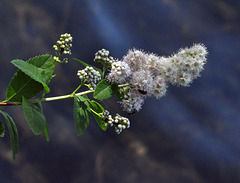
Growing at a wooded lakeside, Piraea alba, white meadowsweet, narrowleaf meadowsweet, pale bridewort or pipestem is a native plant of Eastern North America.
frogs st bruno pond DSC 0235

Powerline sunset IMG 20210613 161913
lupin bee CSC 9236
| |
|
|
|
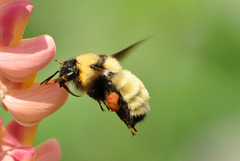
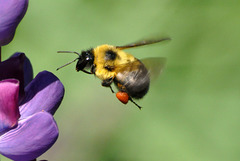
A large bumble bee in-flight feeding among lupins. (Bombus fervidus, the golden northern bumble bee or yellow bumblebee).
tradescantia garden DSC 9474
| |
|
|
|
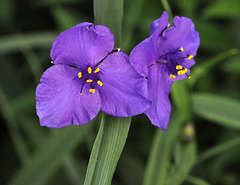
Tradescantia is a a native plant to Eastern North America (although these are garden varieties). The flowers are open in the morning but close in sunlight. The name comes from two English botanists, John Tradescant the Elder (c. 1570s – 1638) and John Tradescant the Younger (1608–1662), who were gardeners to King Charles 1st (from Wiki). They are very reliable and basically look after themselves, so great for a lazy gardener.
lupin bee june 2021 CSC 9376
yellow iris CSC 8756
ST Bruno deer june 4 2021 DSC 8737

woodpecker-st-bruno-CSC9713 x