

Trees in the Mist
He knows not.....!
Veggie store, specialists -- Chillies
Standing in the dark
Figure 5
The Beach
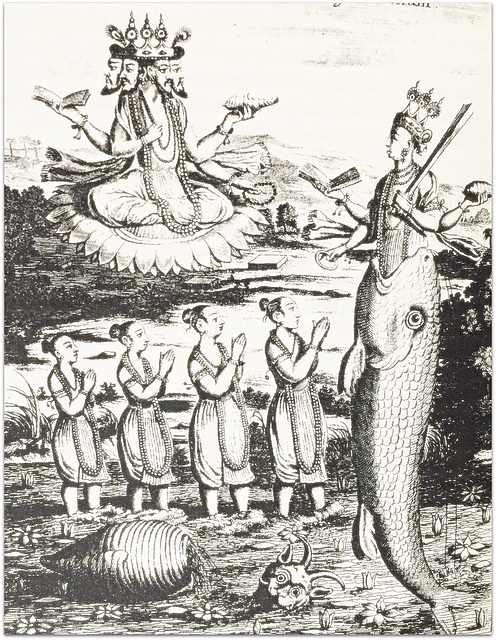
Pictorial tour round India Murdoch, John, 1819-19…
Queen Isabella & Columbus
The Pilgrim Sea
Erstwhile township of Kudramukh
Welcome
Nearing the end of plenty
Alley
Waiting....
Grass
Window view
Peninsular Gnesis
Weed ~ Dandelion
दो रुपये / Two Rupees
Bus stop
Grass
Rain drops
Anthurium
Snow
Morning Light
A tree by the lake
Ganesha
Weatherproof benches
No fishing....
Hollywood
Place I called my home....
Iceberg Theory
Art in Nature / Anthropomorphism
Marilyn Monroe
Hanging garden!
Food Truck
Nandi

See also...
Keywords
Authorizations, license
-
Visible by: Everyone -
All rights reserved
-
76 visits
- Keyboard shortcuts:
Jump to top
RSS feed- Latest comments - Subscribe to the comment feeds of this photo
- ipernity © 2007-2026
- Help & Contact
|
Club news
|
About ipernity
|
History |
ipernity Club & Prices |
Guide of good conduct
Donate | Group guidelines | Privacy policy | Terms of use | Statutes | In memoria -
Facebook
X

Vishnu is shown emerging from the mouth of a giant fish in the Matsya avatar to symbolize the preservation of sacred knowledge and all forms of life during a great cosmic flood. The fish, or Matsya, is Vishnu's first incarnation, and this imagery conveys themes of divine guidance, renewal, and the cyclical nature of creation.
The myth of the Matsya avatar
The story is recounted in Hindu texts like the Mahabharata and the Puranas. It details how Vishnu, as the giant golden fish Matsya, saved humanity and the Vedas from a great deluge.
At the end of a kalpa (a vast cosmic cycle), the Vedas were stolen by a horse-headed demon named Hayagriva from a sleeping Brahma.
Vishnu appeared as a small fish to a virtuous sage named Manu. The fish grew to an enormous size as Manu cared for it, at which point it revealed its divine nature.
Matsya warned Manu of an impending cataclysmic flood and instructed him to build a large boat.
Manu gathered seeds of all plants, one of each animal species, and the seven great sages aboard the vessel.
When the flood began, Matsya guided the boat through the tumultuous waters, towing it to safety by tying it to a horn on his head with the cosmic serpent Vasuki.
During this event, Matsya also defeated the demon Hayagriva, recovering the sacred Vedas from the depths of the ocean.
Symbolism of the Matsya avatar
The imagery of Vishnu appearing from the mouth of the giant fish embodies several key concepts:
Protection of knowledge: The fish avatar's primary purpose was to retrieve the stolen Vedas, underscoring Vishnu's role as the preserver of sacred wisdom and eternal spiritual law (dharma).
Divine guidance through chaos: The enormous fish towing Manu's ark through the cosmic flood represents divine navigation through turbulent times and the promise of salvation.
Cycles of creation and renewal: The story aligns with the Hindu belief in cyclical time, where the world is repeatedly created, destroyed by a flood (pralaya), and renewed. Matsya ensures the continuation of life after the destruction.
Continuity of life: By saving Manu and representatives of all species, Matsya ensured that life could continue and flourish in the next cosmic age.
Evolutionary stage: As the first of Vishnu's ten major incarnations (Dashavatara), the aquatic form of the fish is seen by some as symbolizing the first stage of life's evolution.
Sign-in to write a comment.