


Plants of Alberta 1


09 Aug 2007
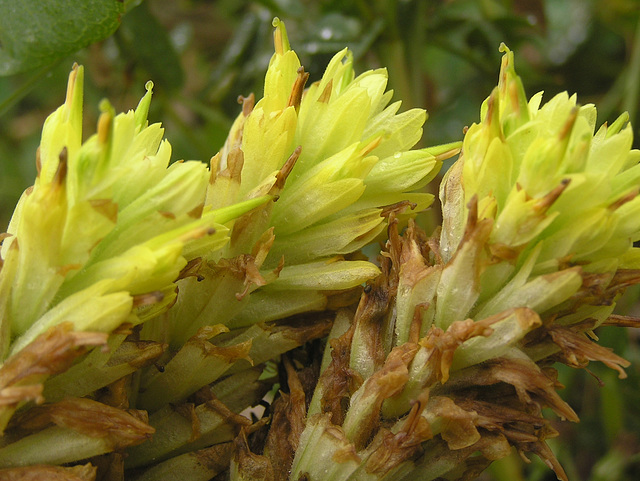
Yellow Paintbrush
Not many places in the city where this plant grows, but was lucky enough to see it a few days ago at the Ranchlands natural area.

09 Aug 2007
Butter-and-eggs
Introduced from Europe as a garden plant, this plant is now an aggressive weed.
11 Aug 2007
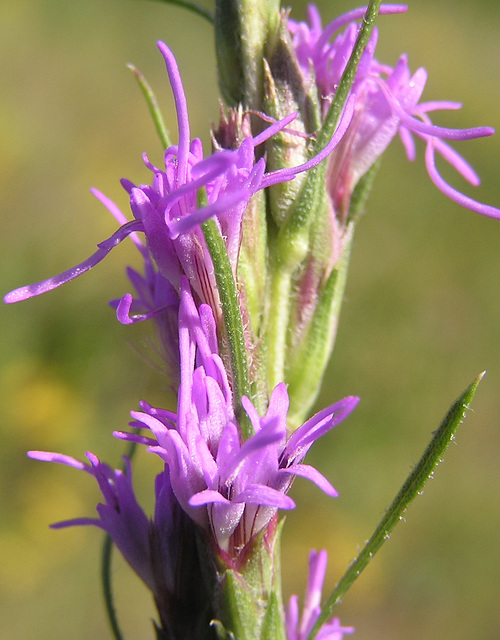
Dotted Blazingstar
This pretty wildflower is a member of the Aster family. The name "Dotted" refers to the dotted surface of the leaves.
31 Jul 2007
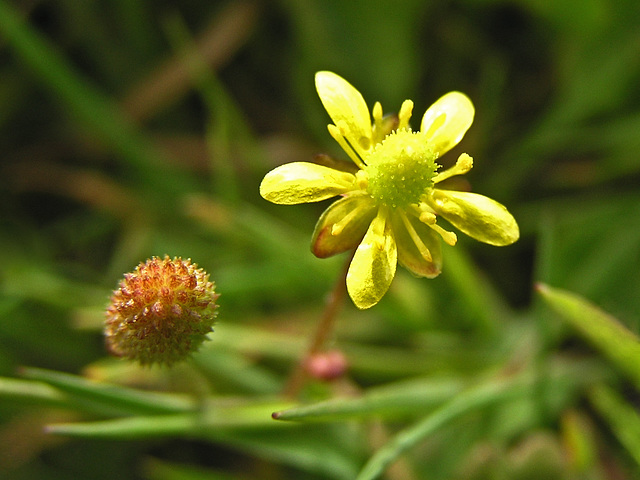
Seaside Buttercup
This tiny member of the Buttercup family is widespread in Alberta. Is found on silty mud flats, shallow water, stream banks; lake, pond and river edges; and moist meadows.
I felt very honoured to be asked if I would give permission for this image to be used on the Harvard University website, ARKive.
"A vast treasury of wildlife images has been steadily accumulating over the past century, yet no one has known its full extent - or indeed its gaps - and no one has had a comprehensive way of gaining access to it. ARKive will put that right, and it will be an invaluable tool for all concerned with the well-being of the natural world."
Sir David AttenboroughWildscreen Patron
www.arkive.org/seaside-crowfoot/ranunculus-cymbalaria/ima...
06 Aug 2007
1 favorite
1 comment
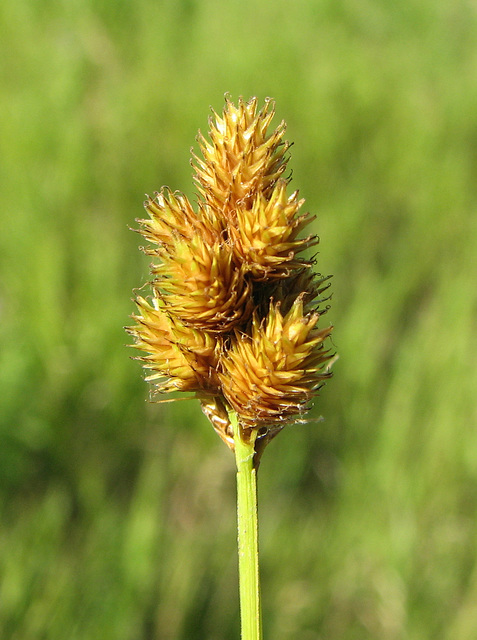
Bebb's Sedge
The species name commemorates Michael Bebb (1833-1895), an American naturalist who specialized in willows. This plant grows in wetlands and marshes.
14 Aug 2007
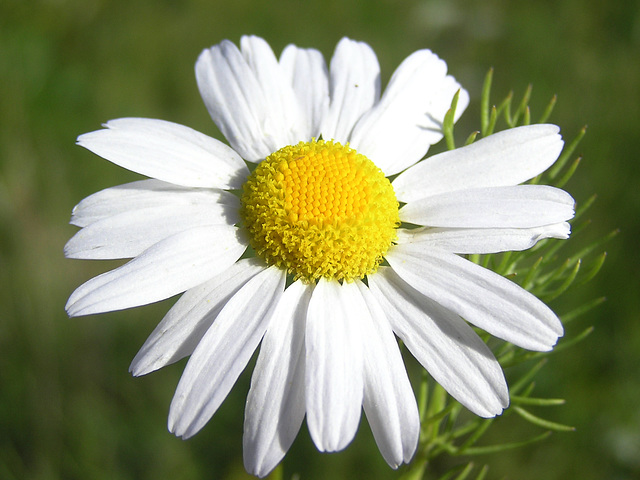
Scentless Chamomile
Introduced from Europe and grows along roadsides, waste areas and cultivated fields.
14 Aug 2007
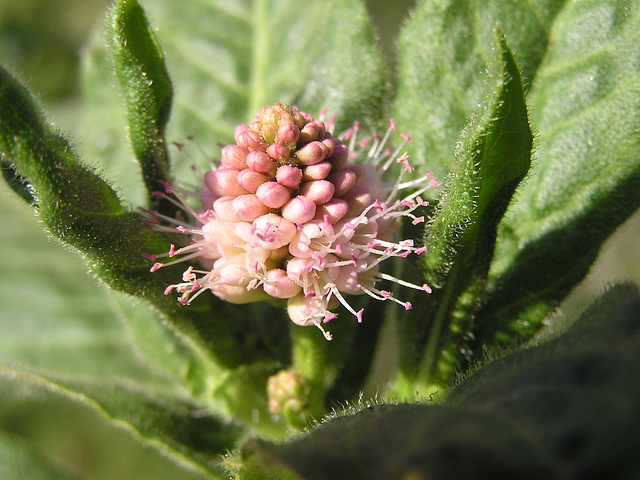
Marsh Smartweed
I had trouble trying to identify this plant, as it looked so much like Water Smartweed. However, this plant that I came across yesterday was growing on land near the edge of a wetland, has hairy leaves. I eventually found the following information on the Internet and forgot to note which website (it WAS around 3:00 a.m.!!).
"When the amphibious Water Persicaria (P. amphibium) lifts its short, dense, rose-colored ovoid or oblong club of bloom above ponds and lakes, it is sufficiently protected from crawling pilferers, of course, by the water in which it grows. But suppose the pond dries up and the plant is left on dry ground, what then ? Now, a remarkable thing happens: protective glandular, sticky hairs appear on the epidermis of the leaves and stems, which were perfectly smooth when the flowers grew in water. Such small wing-less insects as might pilfer nectar without bringing to their hostess any pollen from other blossoms are held as fast as on bird-lime. The stem, which sometimes floats, sometimes is immersed, may attain a length of twenty feet ; the rounded, elliptic, petioled leaves may be four inches long or only half that size. From Quebec to New jersey, and westward to the Pacific, the solitary, showy in-florescence, which does well to attain a height of an inch, may be found during July and August. "
14 Aug 2007
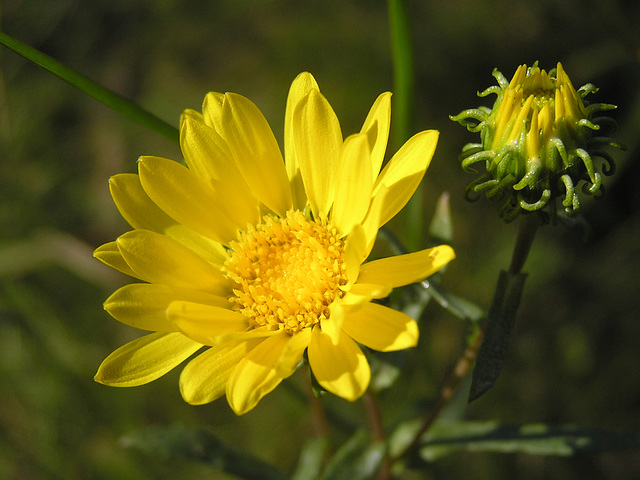
Gumweed
Came across quite a bit of this plant yesterday afternoon at Shaw's Meadow. It belongs to the Aster family. Young buds often have sticky, white sap on them. Grows June to September.
31 Jul 2007
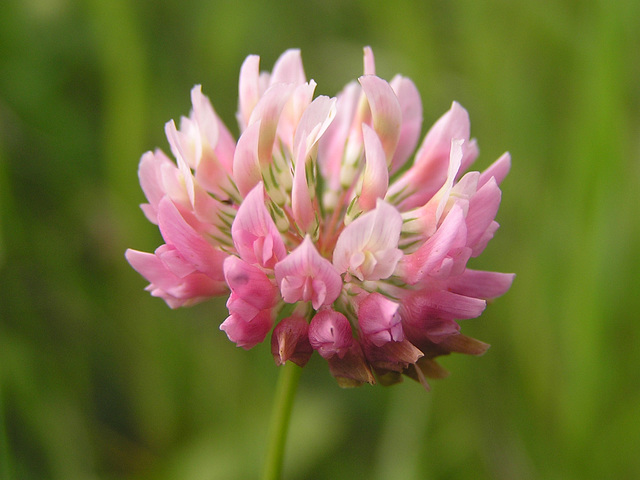
Clover
I'm never sure if I'm looking at White Clover or Alsike Clover. I know it's not Red Clover, because it does not have the three leaves immediately below the flower. An ordinary, everyday flower, but so pretty when seen close up.
Jump to top
RSS feed- Latest items - Subscribe to the latest items added to this album
- ipernity © 2007-2026
- Help & Contact
|
Club news
|
About ipernity
|
History |
ipernity Club & Prices |
Guide of good conduct
Donate | Group guidelines | Privacy policy | Terms of use | Statutes | In memoria -
Facebook
X
