

Howard Somerville's photos
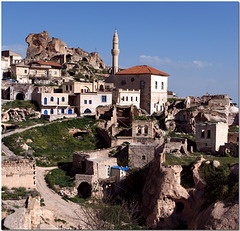
Uçhisar, Turkey
| |
|
|
|
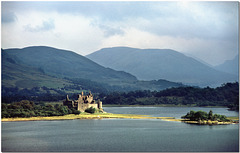
Kilchurn Castle, Loch Awe
| |
|
|
|
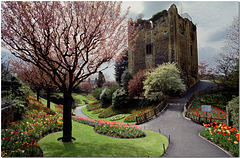
Guildford Castle
| |
|
|
|

Shalford Mill, Surrey
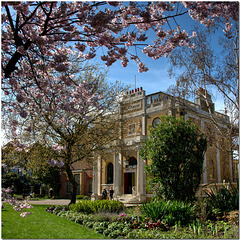
Pitshanger Manor, Ealing
| |
|
|
|
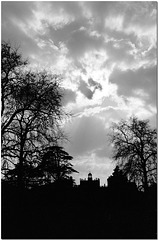
Wilton House, Wiltshire
| |
|
|
|

Honfleur, Normandy
| |
|
|
|

Burnham Beeches by Constable

Quantocks
| |
|
|
|
Taken in 2008 with a Contax N1 with Vario-Sonnar lens and Kodacolor Gold film scanned @ 5400 dpm.
Proof that even the best 35mm cameras/lenses/films/scanners cannot match the image quality obtainable with present-day digital technology.

Old Colonel
| |
|
|
|

Burnham Beeches by Road
| |
|
|
|
The roads through Burnham Beeches, like this one, were until recently public highways and used by through traffic. Mercifully, they are now closed to vehicles.

Chatham, Kent
| |
|
|
|

Burnham Beeches by Gainsborough
| |
|
|
|

Burnham Beeches After a Hail Shower.
| |
|
|
|
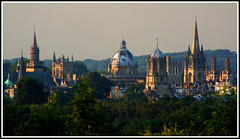
Oxford, City of Dreaming Spires

Glastonbury Tor
| |
|
|
|
Taken in August 2008 with a 1963 Beauty Lightomatic rangefinder camera, yellow-green filter, XP2.
Chromogenic film, which tolerates as much as 3 stops of overexposure without significant loss of quality, comes into its own with subjects like this with a large exposure difference between the foreground and sky. Here, exposing for the foreground still left full tonal separation in the sky and clouds. On conventional blank and white film, they would have 'blown'.
But now in 2019 I see little point in using a film camera. Today, image quality from the best digital cameras exceeds that obtainable from 35mm, and with RAW files and exposure bracketing and tonemapping, the HDR of digital is almost unlimited. Coloured lens filters (for B&W shots) cannot be used with digital sensors, but their effects - and even the pictorial qualities of film, where these are desired - can easily be reproduced in post-processing.
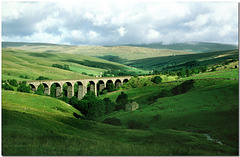
Dent Head Viaduct, Yorkshire
| |
|
|
|
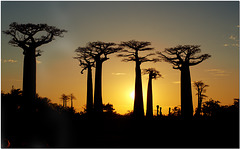
Baobab Alley, Madagascar
| |
|
|
|
