
marianek's photos
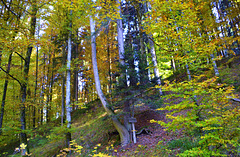
Die Drillinge-Fichte,Tanne,Esche
| |
|
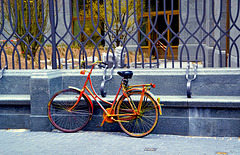
Bicykle
| |
|
|
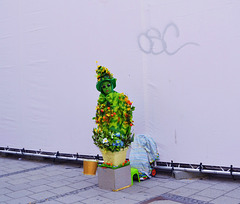
Spring in Munich Frühling in München -)
| |
|
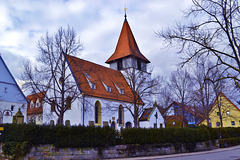
Bonifatiuskirche-Oberrot
| |
|

Bonifatiuskerk in den Haag
| |
|

Blick über München Richtung Alpen
| |
|
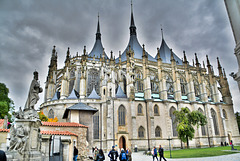
Dom der heiligen Barbara in Kutna Hora
| |
|
|
|
Saint Barbara's Church (Czech: Chrám svaté Barbory) is a Roman Catholic church in Kutná Hora (Bohemia) in the style of a Cathedral, and is sometimes referred to as the Cathedral of St Barbara (Czech: Katedrál sv. panny Barbory).[1] It is one of the most famous Gothic churches in central Europe and it is a UNESCO world heritage site. St Barbara is the patron saint of miners (among others), which was highly appropriate for a town whose wealth was based entirely upon its silver mines.
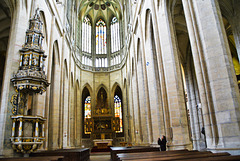
Dom der heiligen Barbara von innen
| |
|
Saint Barbara's Church (Czech: Chrám svaté Barbory) is a Roman Catholic church in Kutná Hora (Bohemia) in the style of a Cathedral, and is sometimes referred to as the Cathedral of St Barbara (Czech: Katedrál sv. panny Barbory).[1] It is one of the most famous Gothic churches in central Europe and it is a UNESCO world heritage site. St Barbara is the patron saint of miners (among others), which was highly appropriate for a town whose wealth was based entirely upon its silver mines.
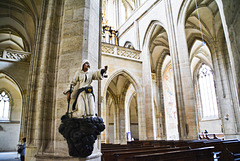
Dom der heiligen Barbara von innen
| |
|
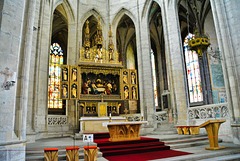
Saint Barbara's Church (Czech: Chrám svaté Barbory) is a Roman Catholic church in Kutná Hora (Bohemia) in the style of a Cathedral, and is sometimes referred to as the Cathedral of St Barbara (Czech: Katedrál sv. panny Barbory).[1] It is one of the most famous Gothic churches in central Europe and it is a UNESCO world heritage site. St Barbara is the patron saint of miners (among others), which was highly appropriate for a town whose wealth was based entirely upon its silver mines.
Dom der heiligen Barbara von innen
| |
|
Saint Barbara's Church (Czech: Chrám svaté Barbory) is a Roman Catholic church in Kutná Hora (Bohemia) in the style of a Cathedral, and is sometimes referred to as the Cathedral of St Barbara (Czech: Katedrál sv. panny Barbory).[1] It is one of the most famous Gothic churches in central Europe and it is a UNESCO world heritage site. St Barbara is the patron saint of miners (among others), which was highly appropriate for a town whose wealth was based entirely upon its silver mines.
Kutna Hora, Kostnice
| |
|
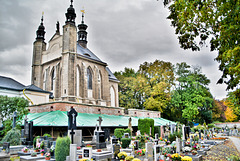
The Sedlec Ossuary (Czech: Kostnice v Sedlci) is a small Roman Catholic chapel, located beneath the Cemetery Church of All Saints (Czech: Hřbitovní kostel Všech Svatých) in Sedlec, a suburb of Kutná Hora in the Czech Republic. It is one of twelve World Heritage Sites in the Czech Republic. The ossuary is estimated to contain the skeletons of between 40,000 and 70,000 people, whose bones have, in many cases, been artistically arranged to form decorations and furnishings for the chapel. The ossuary is among the most visited tourist attractions of the Czech Republic - attracting over 200,000 visitors annually.

Kutna Hora, Kostnice
| |
|
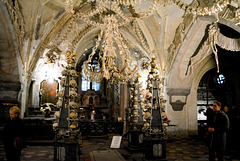
The Sedlec Ossuary (Czech: Kostnice v Sedlci) is a small Roman Catholic chapel, located beneath the Cemetery Church of All Saints (Czech: Hřbitovní kostel Všech Svatých) in Sedlec, a suburb of Kutná Hora in the Czech Republic. It is one of twelve World Heritage Sites in the Czech Republic. The ossuary is estimated to contain the skeletons of between 40,000 and 70,000 people, whose bones have, in many cases, been artistically arranged to form decorations and furnishings for the chapel. The ossuary is among the most visited tourist attractions of the Czech Republic - attracting over 200,000 visitors annually.[1]
Kutna Hora, Kostnice
| |
|
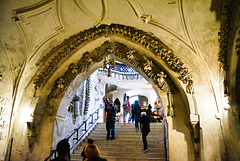
The Sedlec Ossuary (Czech: Kostnice v Sedlci) is a small Roman Catholic chapel, located beneath the Cemetery Church of All Saints (Czech: Hřbitovní kostel Všech Svatých) in Sedlec, a suburb of Kutná Hora in the Czech Republic. It is one of twelve World Heritage Sites in the Czech Republic. The ossuary is estimated to contain the skeletons of between 40,000 and 70,000 people, whose bones have, in many cases, been artistically arranged to form decorations and furnishings for the chapel. The ossuary is among the most visited tourist attractions of the Czech Republic - attracting over 200,000 visitors annually.[1]
Kutna Hora, Kostnice
| |
|
The Sedlec Ossuary (Czech: Kostnice v Sedlci) is a small Roman Catholic chapel, located beneath the Cemetery Church of All Saints (Czech: Hřbitovní kostel Všech Svatých) in Sedlec, a suburb of Kutná Hora in the Czech Republic. It is one of twelve World Heritage Sites in the Czech Republic. The ossuary is estimated to contain the skeletons of between 40,000 and 70,000 people, whose bones have, in many cases, been artistically arranged to form decorations and furnishings for the chapel. The ossuary is among the most visited tourist attractions of the Czech Republic - attracting over 200,000 visitors annually.[1]

Kutna Hora, Kostnice
| |
|
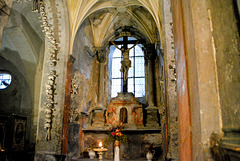
The Sedlec Ossuary (Czech: Kostnice v Sedlci) is a small Roman Catholic chapel, located beneath the Cemetery Church of All Saints (Czech: Hřbitovní kostel Všech Svatých) in Sedlec, a suburb of Kutná Hora in the Czech Republic. It is one of twelve World Heritage Sites in the Czech Republic. The ossuary is estimated to contain the skeletons of between 40,000 and 70,000 people, whose bones have, in many cases, been artistically arranged to form decorations and furnishings for the chapel. The ossuary is among the most visited tourist attractions of the Czech Republic - attracting over 200,000 visitors annually.[1]
Kutna Hora, Kostnice
| |
|
The Sedlec Ossuary (Czech: Kostnice v Sedlci) is a small Roman Catholic chapel, located beneath the Cemetery Church of All Saints (Czech: Hřbitovní kostel Všech Svatých) in Sedlec, a suburb of Kutná Hora in the Czech Republic. It is one of twelve World Heritage Sites in the Czech Republic. The ossuary is estimated to contain the skeletons of between 40,000 and 70,000 people, whose bones have, in many cases, been artistically arranged to form decorations and furnishings for the chapel. The ossuary is among the most visited tourist attractions of the Czech Republic - attracting over 200,000 visitors annually.[1]
| |
|
|
|
Kapelle Maria Rast Feldberg Hochschwarzwald
| |
|
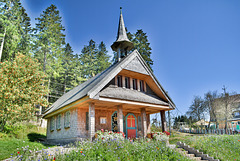
The chapel was built to fulfil a vow: Ms Fanny Mayer, lovingly known as the “Feldberg mother”, founded the chapel after recovering from a severe illness in 1889. A bronze plaque keeps the memory of Fanny Mayer, the founder of the hotel and pioneer of Feldberg tourism, alive. The leader of this Feldberg church also will tell you more about this little gem.
